


American Heart Association Archive — Page 7 of 10


-
April 18, 2017
Vanderbilt-led study shows high-salt diet decreases thirst, increases hunger
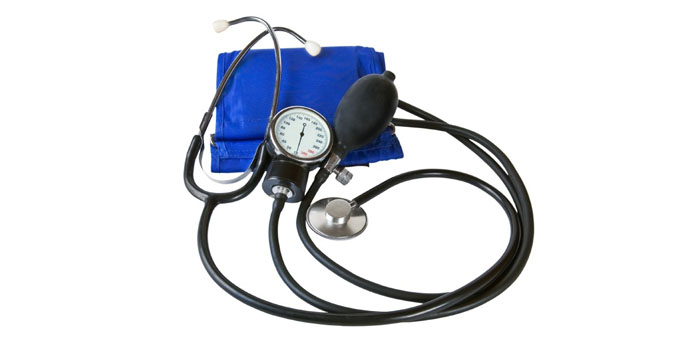
Salted peanuts make you thirsty so you drink more: that’s bartender wisdom. While that may be true in the short-term, within 24 hours increasing salt consumption actually makes you less thirsty because your body starts to conserve and produce water. -
April 13, 2017
Clue to pulmonary hypertension
Vanderbilt investigators have studied the relationship between race, cardiometabolic traits and pulmonary hypertension. -
March 16, 2017
VUMC joins cutting-edge obesity research network
Vanderbilt University Medical Center (VUMC) is one of four centers receiving a $15 million, four-year research award from the American Heart Association (AHA) to provide cutting-edge research on obesity as part of its sixth Strategically Focused Research Network (SFRN). -
March 3, 2017
Mutation raises heart block risk
A newly identified genetic risk factor for heart block after surgery may help guide the course of postoperative care. -
February 23, 2017
Researchers chart new informatics path in tracking disease risk
In a study in Circulation: Cardiovascular Genetics, Vanderbilt University’s Jonathan Mosley, M.D., Ph.D., and colleagues use genetic correlation to hitch together two unrelated sets of data, one from a longstanding epidemiological cohort and the other from electronic health records. -
February 22, 2017
Organ-on-a-chip mimics heart’s biomechanical properties
Scientists at Vanderbilt University have created a three-dimensional organ-on-a-chip that can mimic the heart’s amazing biomechanical properties in order to study cardiac disease, develop heart drugs. -
November 23, 2016
Reducing antidepressants’ side effects
Vanderbilt investigators have discovered how antidepressant medicines that block serotonin uptake can increase bleeding risk.