


American Heart Association Archive — Page 5 of 10



-
January 17, 2019
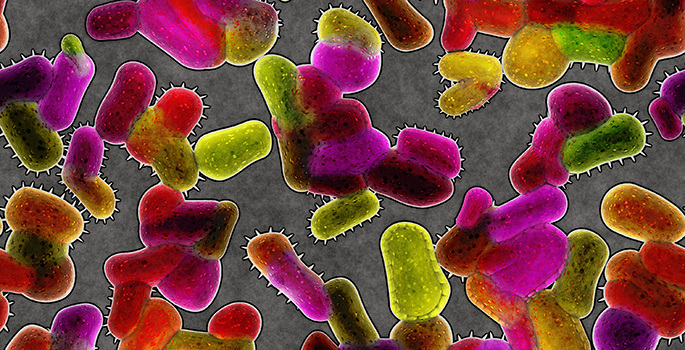
Signals from the “conveyor belt”
Vanderbilt researchers propose that cellular signaling pathways are amplified by a “conveyor belt” mechanism that exchanges active and inactive enzymes. -
December 13, 2018
Lean vs. obese adipose tissue cells
A greater understanding of the mechanisms and cell types involved in returning adipose (fatty) tissue to the lean state may lead to more effective treatments for obesity. -
November 15, 2018
Vanderbilt study suggests way to prevent rare lung disease
Research by Vanderbilt scientists suggests that it may be possible to prevent or even reverse pulmonary arterial hypertension, a rare, progressive disease characterized by narrowing of and high blood pressure in the small arteries of the lungs. -
November 15, 2018
Harrison awarded AHA Basic Research Prize for 2018
David G. Harrison, MD, the Betty and Jack Bailey Professor of Cardiology and director of the Division of Clinical Pharmacology at Vanderbilt University School of Medicine, has been awarded the American Heart Association’s Basic Research Prize for 2018. -
September 27, 2018
Stretch, inflammation and hypertension
New research sheds light on how changes in blood vessel forces enhance immune cell activation and promote hypertension. -
September 10, 2018
Greater Nashville Heart Walk set for Sept. 15
The Greater Nashville Heart Walk is set for Saturday, Sept. 15 on the Vanderbilt campus to raise money and awareness about cardiovascular disease and stroke. -
September 5, 2018
Unleashing TIGER on small RNAs
Vanderbilt investigators have developed a new analytical tool to identify, quantify and analyze small RNAs.