chemical and biomolecular engineering Archive — Page 1 of 1

Pediatric health conditions, their treatments and the related stress hinder the prefrontal cortex, which is the region of the brain associated with learning, memory and behavior. (istock)
September 20, 2017

Goal of new tissue-chip research is to assess efficacy of novel epilepsy drugs

An interdisciplinary team of Vanderbilt University researchers has received a two-year, $2-million federal grant to develop an “organ-on-chip” model for two genetic forms of epilepsy.

Silhouetted construction workers on tiered scaffolding against a golden sunset.
January 27, 2016

Wound-healing scaffolds

The elasticity of a scaffold used for healing skin wounds is a key factor in promoting regeneration versus scarring.

July 23, 2015

Targeting bone metastasis

The rigidity of the bone extracellular matrix increases the ability of tumor cells to destroy bone, suggesting new targets for anticancer drug development.

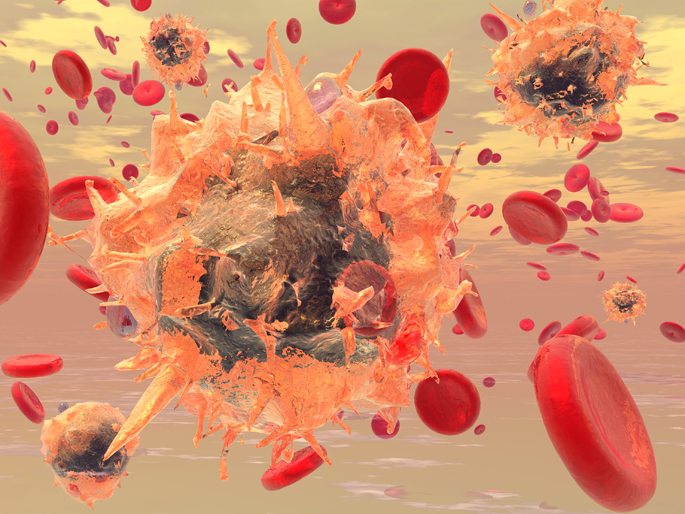
Microscopic-style illustration of large textured white blood cells surrounded by red blood cells flowing through the bloodstream.
January 26, 2015

Immune response depends on force

New studies explain how T-cell receptors use force to recognize and protect us against pathogens.

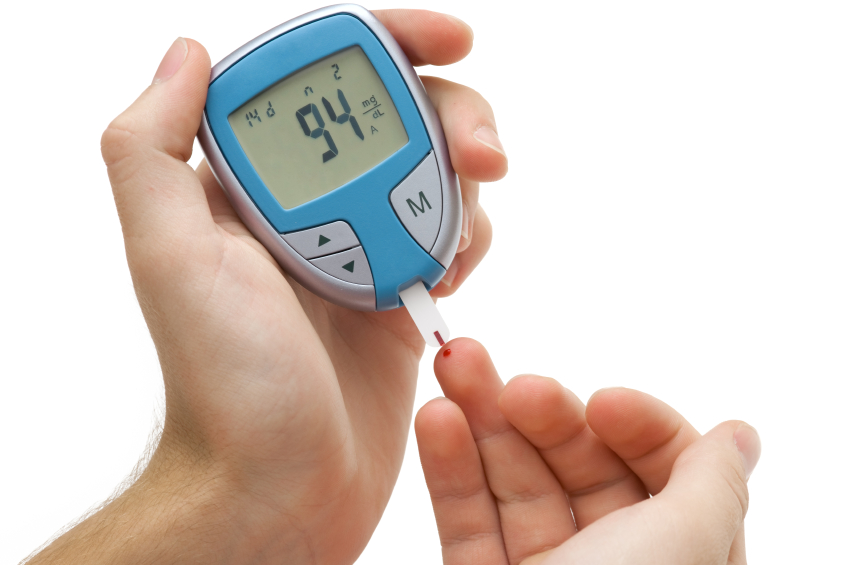
Glucose level blood test
January 22, 2015

Beta cell link to fasting glucose

New findings explain why variation in a particular gene is the most important determinant of fasting blood glucose levels in humans.

Architectural rendering of a large modern university building complex with red-brick and glass façades, landscaped lawns, trees, paths, and people walking outside.
April 28, 2014

Construction of new Engineering and Science Building at Vanderbilt set to begin May 2014

Vanderbilt University’s Board of Trust has approved the construction of a seven-story tower on campus as part of an effort to further strengthen the institution’s growing reputation as a major producer of intellectual leaders, entrepreneurs and innovators.