


Department of Pediatrics Archive — Page 40 of 40





-
February 14, 2013
Device helps ease child’s overactive bladder burden
Until a year ago, Kate Lamons would slip into her mother’s classroom during school to change clothes, hopefully fast enough that she could return to her own class before anyone noticed that her clothes were wet from an overactive bladder. -
October 11, 2012
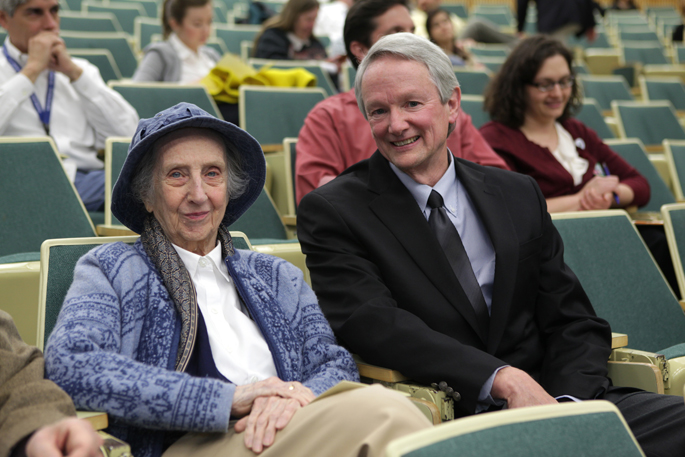
VU mourns loss of Pediatrics icon Sell
Sarah H. Sell, M.D., professor of Pediatrics, Emerita, one of the key players in the development of the childhood vaccine to protect against Haemophilus influenzae type b (Hib), the most common cause of bacterial meningitis in children younger than 5, died Saturday, Oct. 6. She was 99. -
September 6, 2012
Rush sees bright future ahead for Pediatrics
Meg Rush, M.D., called upon the Department of Pediatrics’ faculty, trainees and staff to ‘be the change’ they wish to see in the future of pediatric health care at Vanderbilt and in our region. -
July 30, 2012
Concussion testing for young athletes
The Vanderbilt Sports Concussion Center is now offering pre-concussion baseline testing to all community recreational athletes, in advance of many high-impact seasonal sports resuming this fall. -
May 22, 2012
Vanderbilt lands significant patient-centered research grant
Patients and their families will have a more active role and voice in research designed to improve the quality and safety of patient care, thanks to a federal grant received by Vanderbilt University Medical Center researchers. -
April 7, 2011
Beam Signing celebrates expansion at the Monroe Carell Jr. Children’s Hospital at Vanderbilt