


Department of Pediatrics Archive — Page 38 of 40


-
May 15, 2014
Lehmann to advise on health informatics
Chris Lehmann, M.D., professor of Pediatrics and Biomedical Informatics at Vanderbilt, has been appointed by the U.S. Government Accountability Office as the first pediatrician to serve on the Health Information Technology (HIT) Policy Committee. -
April 28, 2014
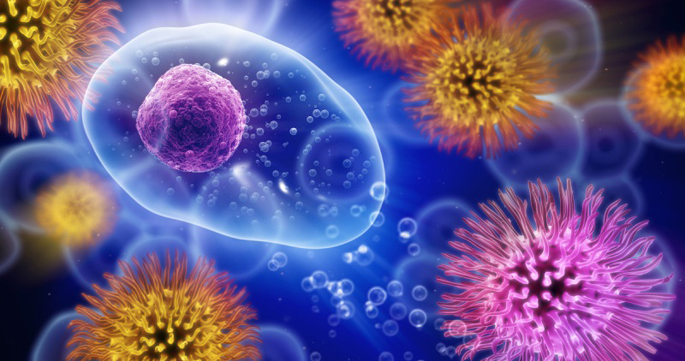
Target cell entry to halt Chikungunya virus
Understanding how chikungunya virus binds to and enters cells offers a new target for antiviral medications. -
April 17, 2014
Adolescent health society honors Pediatrics resident
Maria Rahmandar, M.D., a third-year resident in the Department of Pediatrics, recently received the 2014 Career Development Award in Adolescent Health from the Society for Adolescent Health and Medicine. -
April 2, 2014
Development and disease in the aorta
Smooth muscle cells that line the aorta differ in development but not in the adult, a finding that has implications for understanding aortic development and disease. -
March 27, 2014
Flu boosts pneumococcal colonization
Influenza and parainfluenza infections – but not other respiratory viruses – increase the risk of acquiring pneumococcal bacteria, the most common cause of severe pneumonia. -
February 17, 2014
Vanderbilt study shows mother’s voice improves hospitalization and feeding in preemies
-
February 13, 2014
VUMC’s Ho honored with presidential research award
Vanderbilt University Medical Center’s Richard Ho, M.D., MSCI, has received a presidential honor for his innovative studies of mechanisms by which drug transporter proteins mediate the absorption, distribution and elimination of chemotherapeutic agents.