


James Crowe Jr. Archive — Page 4 of 8





-
June 14, 2019
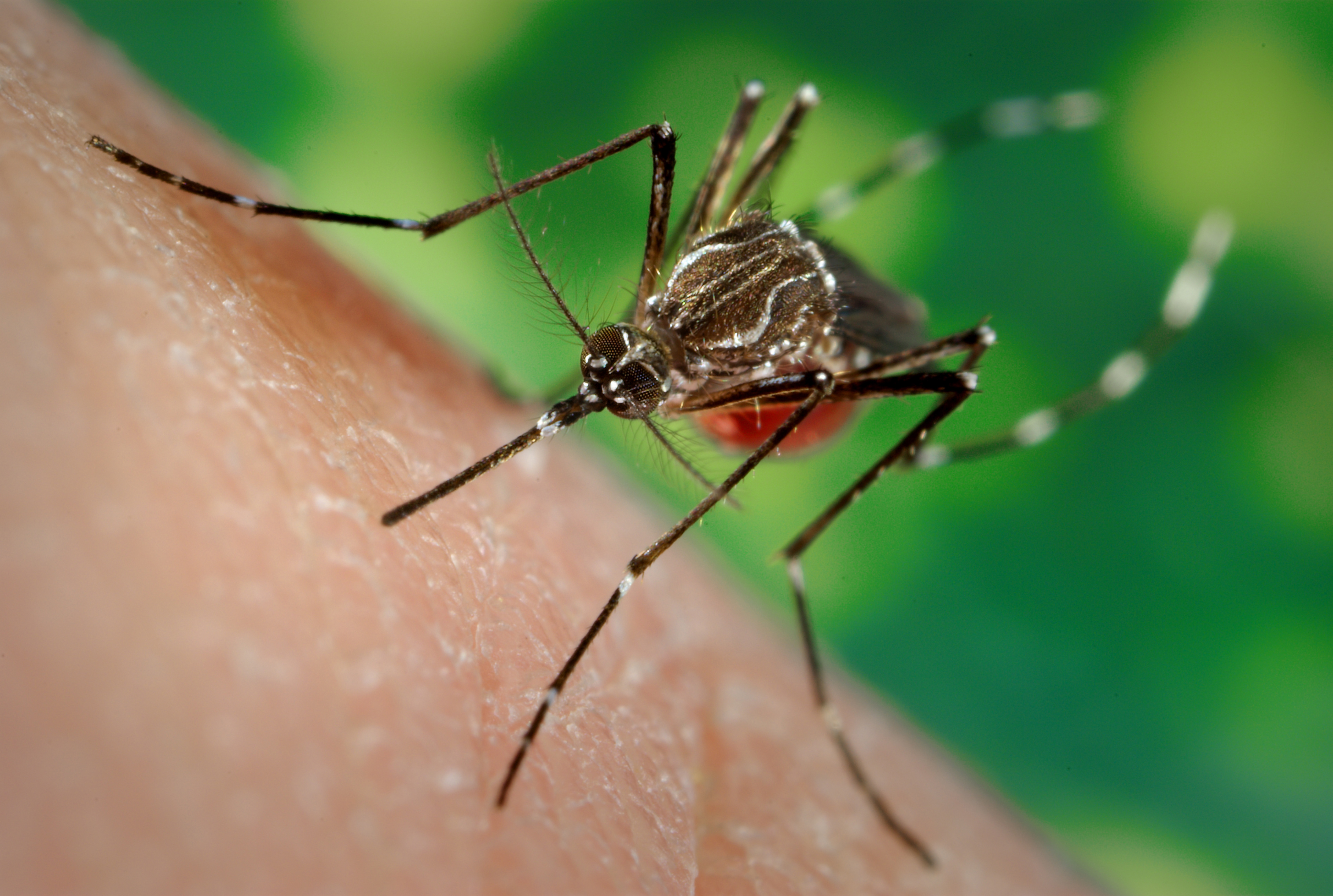
New method tested to block chikungunya infection
Scientists are testing a new way to fight chikungunya virus that involves injecting genetic material into the bodies of infected and at-risk individuals to trigger rapid production of potent, virus-neutralizing antibodies. -
May 16, 2019
Flu’s “hidden target” may lead to universal vaccine: study
Researchers at Vanderbilt University Medical Center and the Scripps Research Institute have discovered a “hidden target” on the surface of the hypervariable influenza A virus that could lead to better ways to prevent and treat the flu. -
April 11, 2019
VUMC-led team ‘sprints’ to develop Zika virus treatment
In January scientists at Vanderbilt University Medical Center and colleagues in Boston, Seattle and St. Louis were given an audacious goal to develop — in 90 days — a protective antibody-based treatment that potentially will stop the spread of the Zika virus. -
March 25, 2019
VUMC joins effort to stop spread of two deadly viruses
Researchers at Vanderbilt University Medical Center are participating in a national effort to develop vaccines and other treatments as countermeasures to prevent the spread of two emerging and deadly viruses — Nipah and Hendra. -
February 21, 2019
VUMC chikungunya antibody set to enter clinical trial
A monoclonal antibody against the chikungunya virus developed by researchers at Vanderbilt University Medical Center is the first monoclonal antibody encoded by messenger RNA to enter a clinical trial. -
February 13, 2019
Researchers push forward frontiers of vaccine science
Using sophisticated gene sequencing and computing techniques, researchers at Vanderbilt University Medical Center and the San Diego Supercomputer Center have achieved a first-of-its-kind glimpse into how the body’s immune system gears up to fight off infection. -
January 31, 2019
Designing antibodies to fight the flu
Vanderbilt investigators said their work shows that computational design can improve the ability of naturally occurring antibodies to recognize different flu strains and may hasten the development of more effective flu therapies and vaccines.