


VI4 Archive — Page 2 of 5


-
May 17, 2022
Study identifies first cellular “chaperone” for zinc, sheds light on worldwide public health problem of zinc deficiency
A team led by Vanderbilt researchers has described and characterized the first zinc metallochaperone: a protein that puts zinc into other “client” proteins. -
May 5, 2022
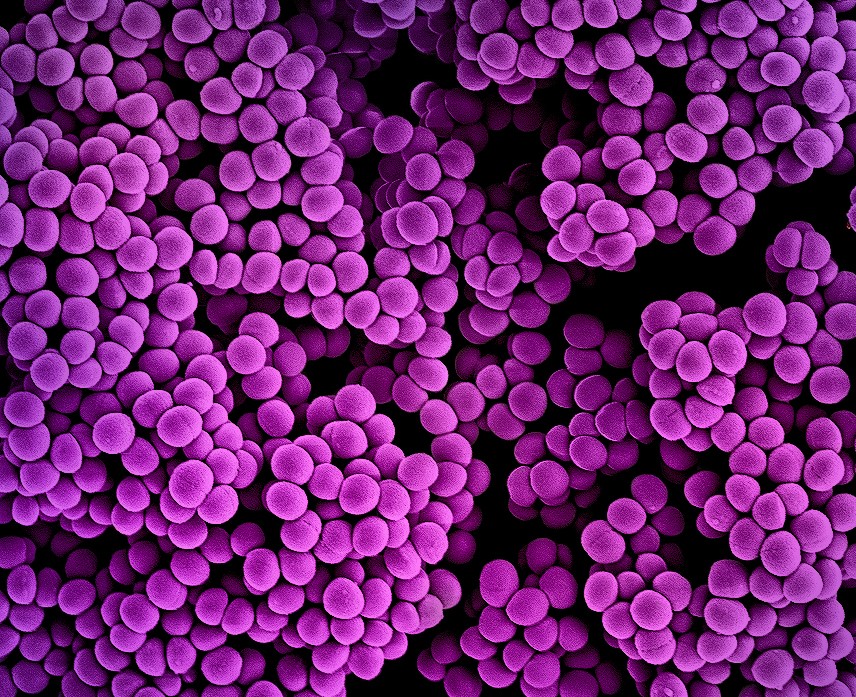
VUMC team discovers how bacterial pathogen survives without water
Vanderbilt researchers are studying a bacterial pathogen that can survive on hospital surfaces — without water — for months, an ability that has helped it become a leading cause of hospital-acquired infections. -
April 7, 2022
Study advances understanding of bacterial bioterrorism agent
Vanderbilt researchers have identified a critical regulatory factor in the bacterium that causes the disease anthrax and has been used as a biological weapon. -
March 10, 2022
Technique hastens COVID-19 antibody discovery
Optimization of a technique developed at Vanderbilt University Medical Center enables rapid and efficient identification of neutralizing monoclonal antibodies against the virus that causes COVID-19. -
January 27, 2022
Impaired neutrophils in autoimmunity
Vanderbilt researchers help answer the question of why patients with autoimmune diseases like lupus are more susceptible to bacterial infections: their neutrophils have impaired antibacterial activity. -
January 17, 2022
H. pylori, lipid loss and stomach cancer
H. pylori infection — a strong risk factor for stomach cancer — changes the composition of stomach lipids, which could offer new biomarkers for detecting premalignant changes, Vanderbilt researchers discovered. -
January 13, 2022
Salmonella overcomes host resistance
The invading pathogen Salmonella, a common cause of food poisoning, can change its metabolism to overcome host resistance to its colonization.