


Division of Pediatric Gastroenterology Hepatology and Nutrition Archive — Page 1 of 2



-
November 3, 2022
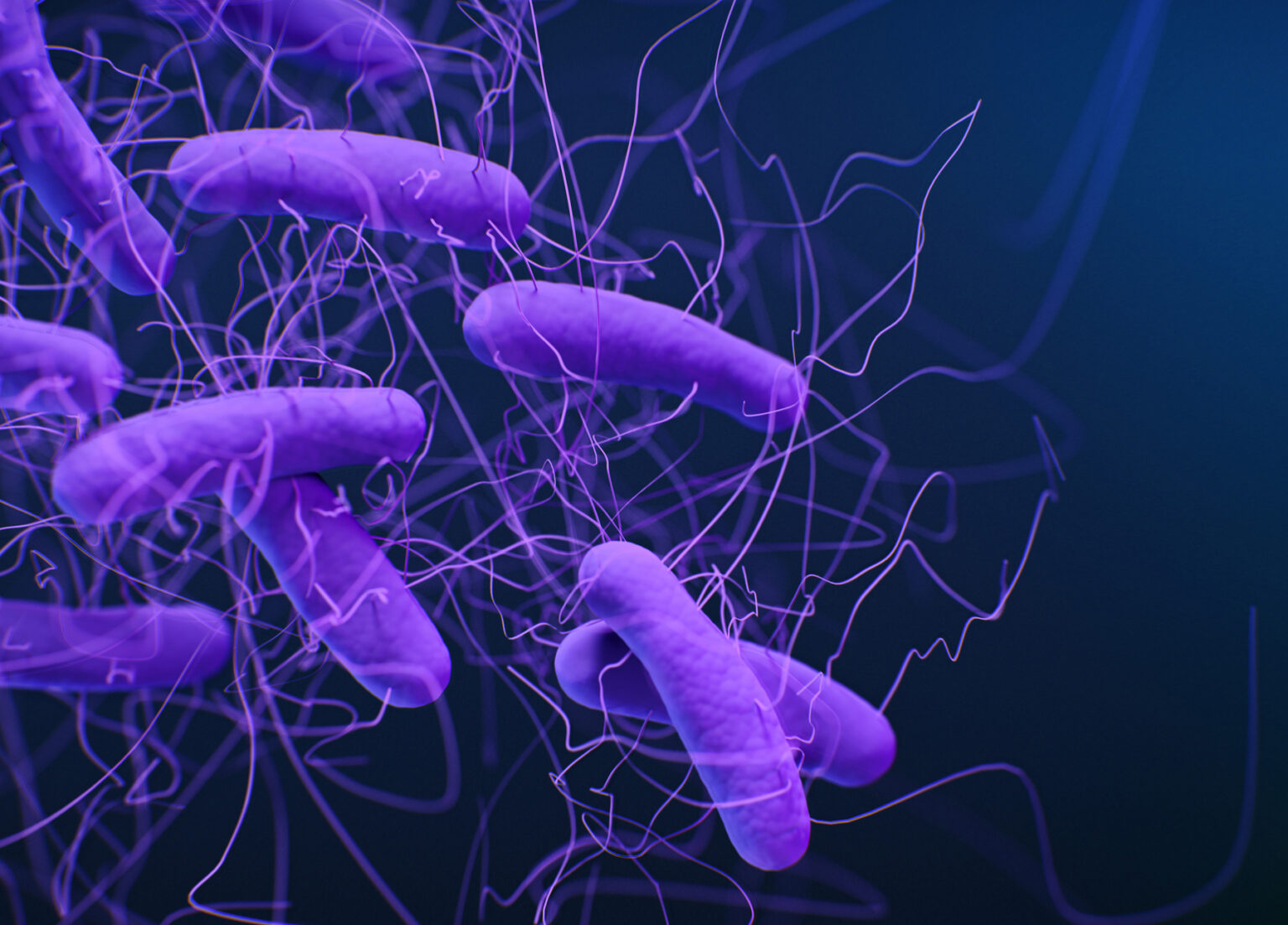
C. diff infections drop in children
The number of pediatric infections caused by Clostridioides difficile (C. diff) decreased from 2013 to 2019, likely due to an increase in antibiotic stewardship programs and improved hospital contact protocols, Vanderbilt researchers found. -
July 1, 2022
New Clinician Spotlight: Saeed Mohammad
Saeed Mohammad, MD, MS, recently joined Vanderbilt University Medical Center as director of the Pediatric Solid Organ Transplant Center at Monroe Carell Jr. Children’s Hospital at Vanderbilt. -
March 24, 2022
Mohammad to direct Pediatric Solid Organ Transplant Center
Saeed Mohammad, MD, MS, has been named director of the Pediatric Solid Organ Transplant Center at Monroe Carell Jr. Children’s Hospital at Vanderbilt. -
March 3, 2022
Multidisciplinary team helps treat airway, upper GI issues in children
Vanderbilt's Complex Aerodigestive Evaluation Team focuses on complicated airway and upper digestive issues for chronically ill children. -
March 4, 2021
Probiotic protection
A probiotic factor given early in life to mice prevented intestinal inflammation in adulthood, providing a rationale for probiotic intervention in individuals at high risk of developing inflammatory bowel disease. -
August 13, 2019
Host-microbe interactions in the gut
Vanderbilt investigators demonstrated that intestinal cells promote beneficial microbe behavior — the findings support developing microbiota-based therapies for intestinal health. -
June 14, 2018
Grant bolsters Hiremath’s research on esophageal disorder
Girish Hiremath, MD, MPH, assistant professor of Pediatrics, has received a Junior Faculty Development Grant from the American College of Gastroenterology Institute for Clinical Research and Education.