JAMA Network Open (journal)

AI recruited to lower leading cause of preventable hospital deaths

Risk of VTE rises in hospitals due to factors such as patient immobility, effects from major surgery, and use of indwelling medical devices like central lines.

Behind the curtain: Secrets of the volatile, delusional brain 

The VUMC approach, based on the “Feeling Safe Program” developed by British psychologist Daniel Freeman, targets specific factors that contribute to persecutory delusions, including worry, safety behaviors, avoidance and hallucinations (such as hearing voices).

AI tools could shorten ‘diagnostic odyssey’ for patients with rare diseases

Large language models achieved diagnostic rates of 13.3% and 10.0%, compared to the historical clinical review rate of 5.6%, and they suggested next steps to evaluate the suggested diagnoses.

(AdobeStock)

Study demonstrates burden of potentially preventable hospitalizations for pneumococcal pneumonias among adults in Tennessee and Georgia 

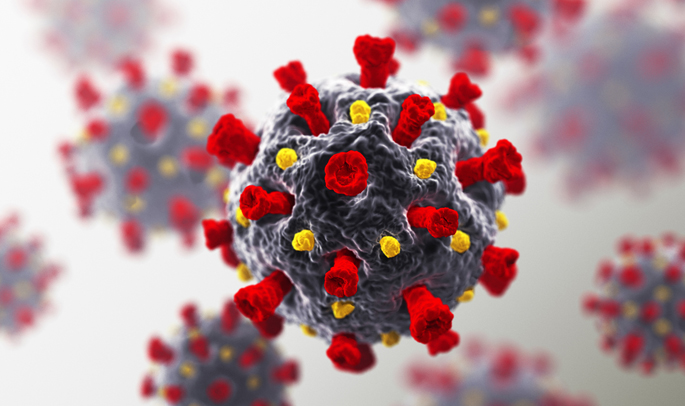
Community-acquired pneumonia refers to a case of the disease contracted without prior exposure to a health care setting.

Aimal Khan, MD, with one of the 3D models he created to use during preoperative consultations. (photo by Donn Jones)

Presurgery consults with patients using 3D models improve shared decision-making and reduce anxiety 

The models allowed patients to easily distinguish the ascending colon from the sigmoid colon, along with other parts of the digestive system.

Veterans with depression have increased risk of heart failure: study

The findings give patients and clinicians have another reason to screen for and treat depression in order to prevent potential future heart failure.

1 2 3 4