JAMA Surgery (journal) Archive — Page 1 of 1
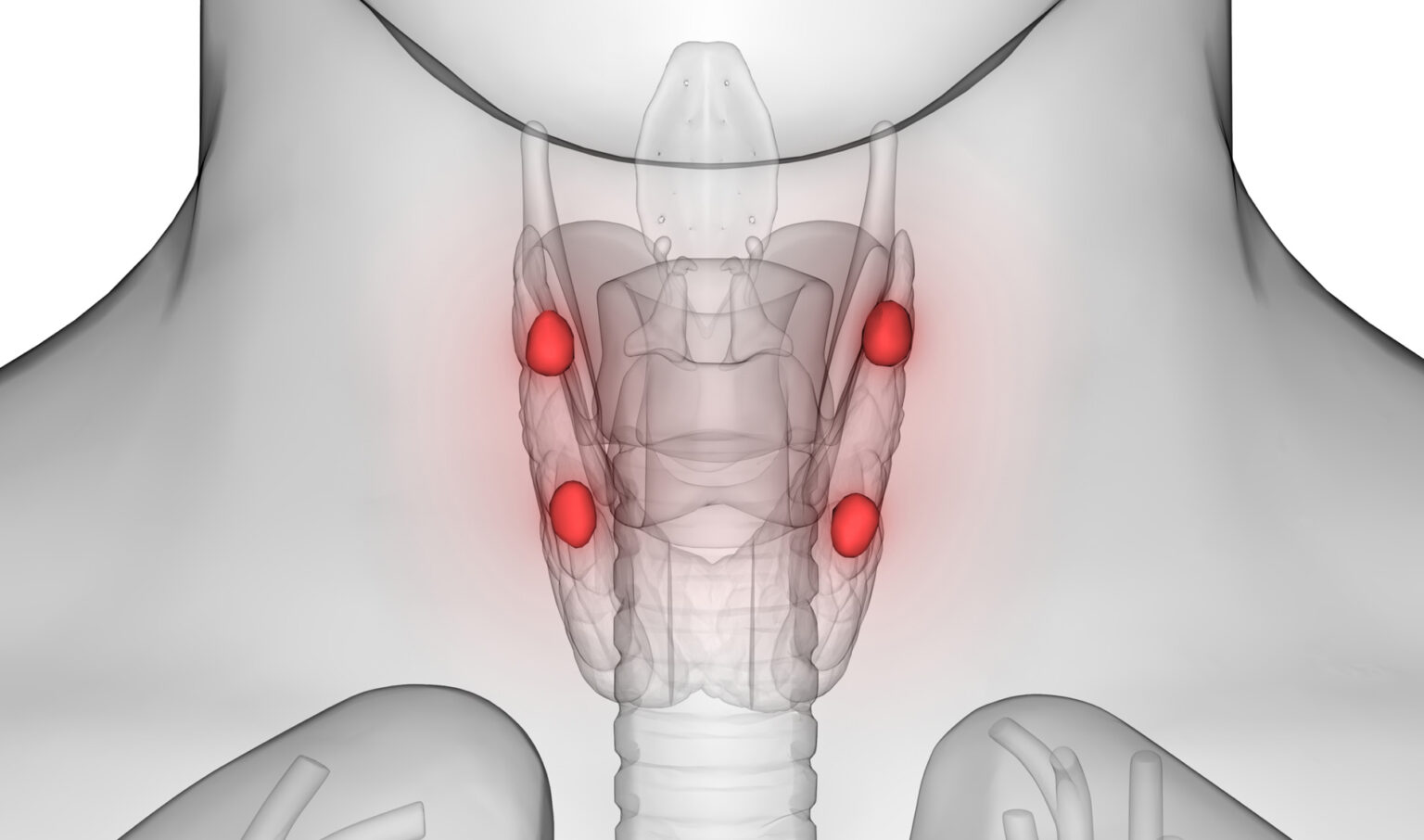
3D anatomical illustration of the neck showing four parathyroid glands highlighted in red behind the translucent thyroid gland.
July 21, 2025

Multicenter trial confirms near-infrared autofluorescence increases detection of parathyroid glands

Damage to these glands can cause hypoparathyroidism, a condition that can lead to low levels of calcium and elevated levels of phosphorus in the blood.

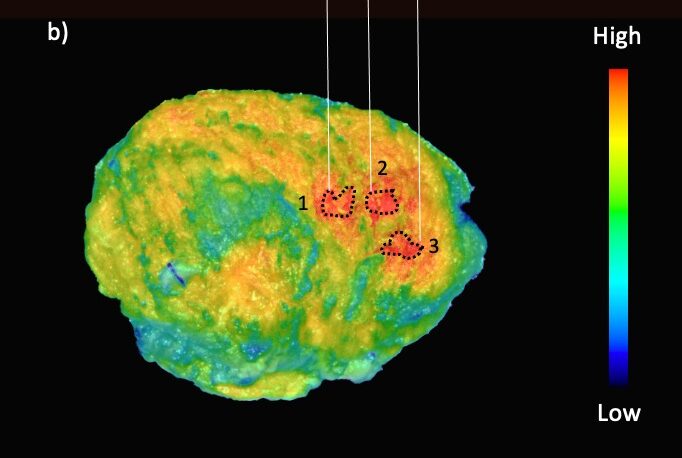
False-color fluorescence map of a removed tumor, with areas marked 1, 2, and 3 and a color scale ranging from Low to High.
June 23, 2025

Data from fluorescence imaging can improve outcomes in head and neck cancer surgery: study 

Research found that using data collected both during surgery and after a tumor’s removal can help guide surgeons in achieving a negative margin in cancer resection.

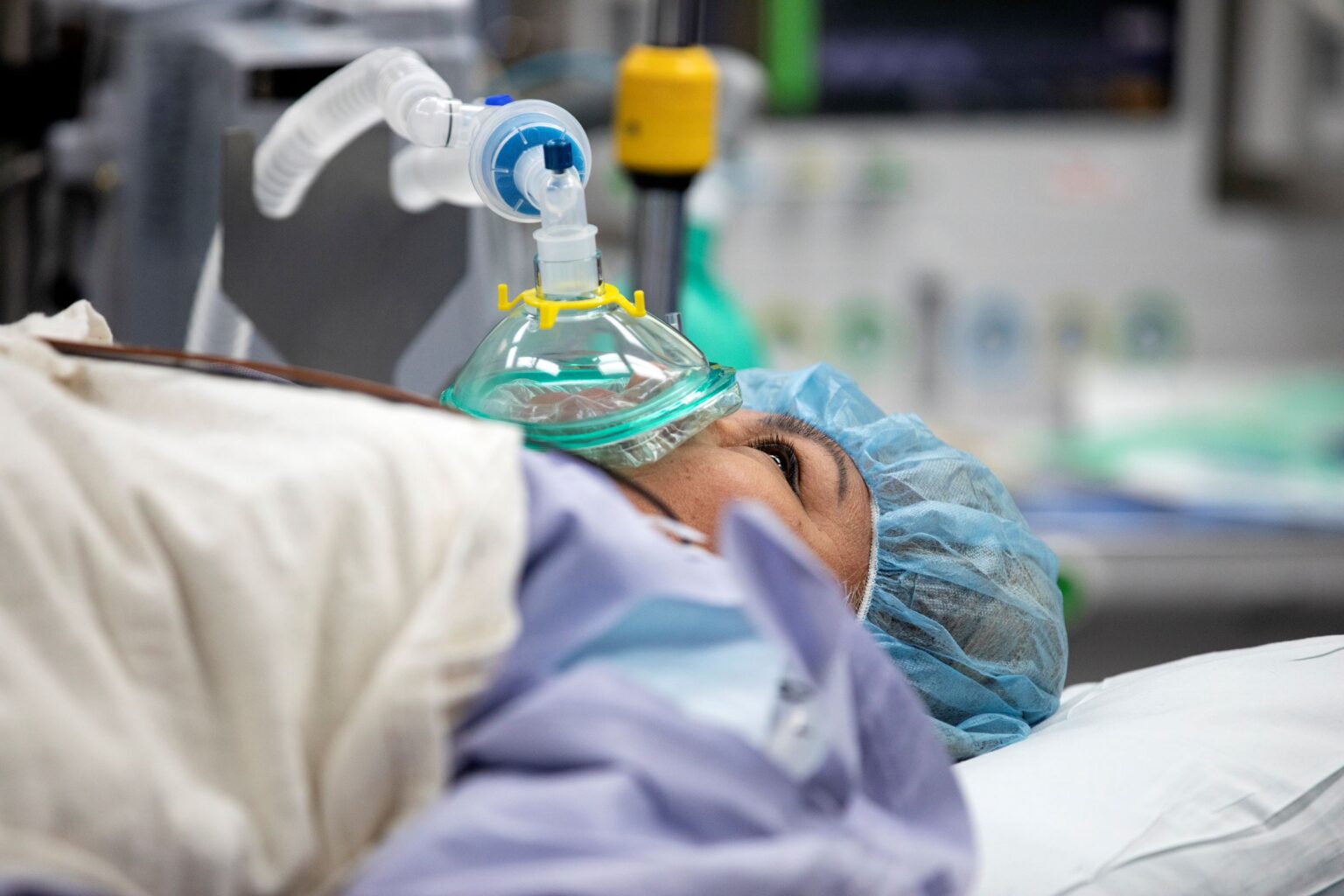
Patient lying in a hospital bed wearing a surgical cap and breathing through a clear oxygen mask connected to tubing; a gloved clinician is blurred in the foreground.
August 21, 2024

High or low oxygen levels are safe during heart surgery: study

Two hundred study participants were assessed for oxidative stress, acute kidney injury, delirium, myocardial injury and atrial fibrillation.

Medical staff in surgical gowns and masks perform a kidney transplant in an operating room; one surgeon examines the kidney over a sterile basin while others assist.
June 13, 2024

Study shows transplant volumes decreased, costs rose following federal policy change

The new policy changed liver allocations from a regional service area to an “acuity circles” system that assigns donor livers as far as 500 nautical miles away based on the acuity of recipients.

Medical staff in surgical gowns and masks perform a kidney transplant in an operating room; one surgeon examines the kidney over a sterile basin while others assist.
February 8, 2023

Study finds underperforming organ procurement organizations contribute to nationwide shortage

The number of potential organ donors in the United States could solve the shortage for most organs, but many organs are not recovered due to performance variations in the opaque organ procurement organization process, according to a just-published study with first and corresponding authors from Vanderbilt.

Portrait of Lea Davis, PhD, with long dark hair, smiling against a warm brown background.
May 25, 2022

Study seeks to improve gender equity for liver transplantation waiting list

Women who need a liver transplant are more likely to spend more time on a waiting list, become too sick for transplant or die compared to men. To improve equity, a recently published Vanderbilt-led study suggests a sex adjustment to criteria for MELD (model for end-stage liver disease), which determines allocation of transplanted livers.