


Robert (Bob) Coffey Archive — Page 1 of 3


-
April 7, 2022
New prognosis predictor and target for gastric cancer
The protein CGA — a subunit of glycoprotein hormones — is a biomarker that predicts chemoresistance in gastric cancer and could be targeted along with EGFR to restore chemosensitivity. -
December 14, 2021
Study sets framework for precision surveillance of colorectal cancer
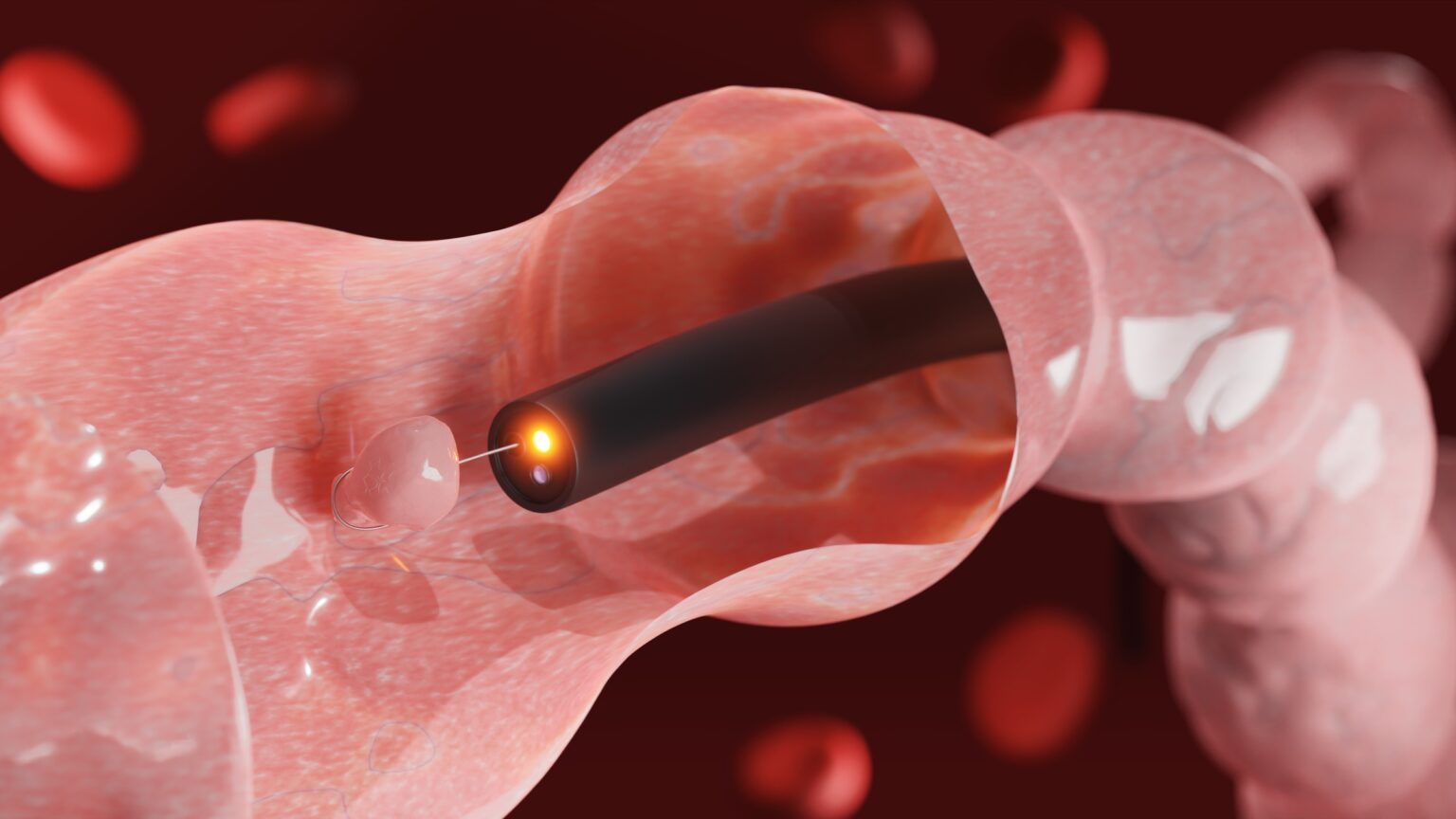
Vanderbilt research has revealed some of the mechanisms by which polyps develop into colorectal cancer, setting the framework for improved surveillance for the cancer utilizing precision medicine. -
December 10, 2021
“Supermeres” may carry clues to cancer, Alzheimer’s disease and COVID-19
Vanderbilt researchers have discovered a nanoparticle released from cells, called a “supermere,” which contains enzymes, proteins and RNA associated with multiple cancers, cardiovascular disease, Alzheimer’s disease and even COVID-19. -
September 21, 2021
The role of polarity in early cancer
Mutations in the protein epiregulin, an EGF receptor ligand, affect larger epithelial cell reorganization and may contribute to early cancer development, Vanderbilt researchers discovered. -
October 15, 2020
Possible COVID-19 “decoy”
It might be possible to use vesicles carrying the receptor for SARS-CoV-2, the virus that causes COVID-19, to bind the virus and prevent infection. -
April 9, 2020
Research team awarded $9 million to study extracellular RNA in colorectal cancer
The NCI program project grant is supporting multiple projects that aim to define fundamental biological principles about extracellular RNA signaling and the development and aggressiveness of colorectal cancer, the second leading cause of cancer death in the United States. -
August 26, 2019
Colorectal cancer researchers receive SPORE funding
Colorectal cancer researchers from Vanderbilt-Ingram Cancer Center (VICC) have been awarded a Specialized Program of Research Excellence grant from the National Cancer Institute (NCI).