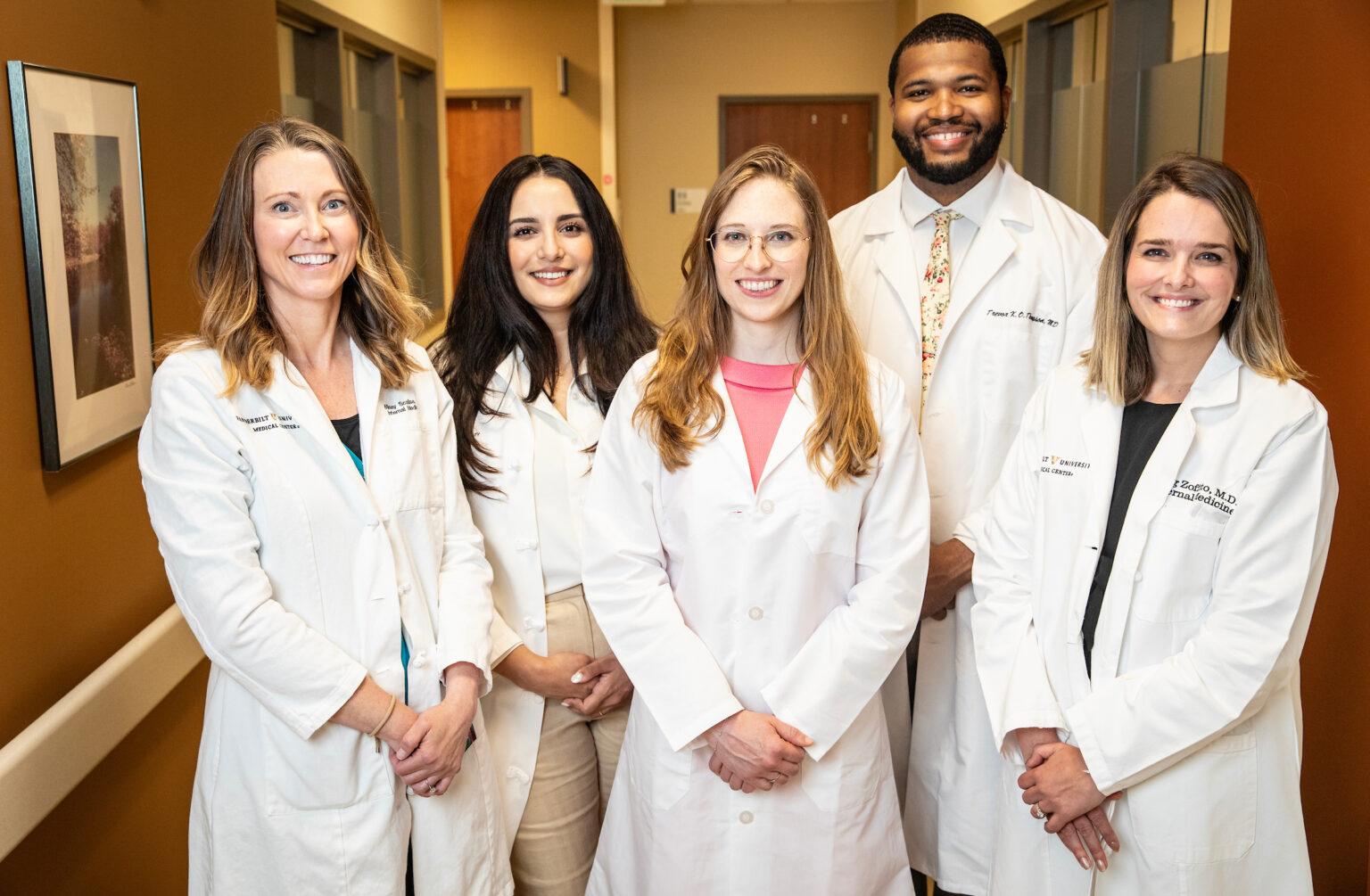
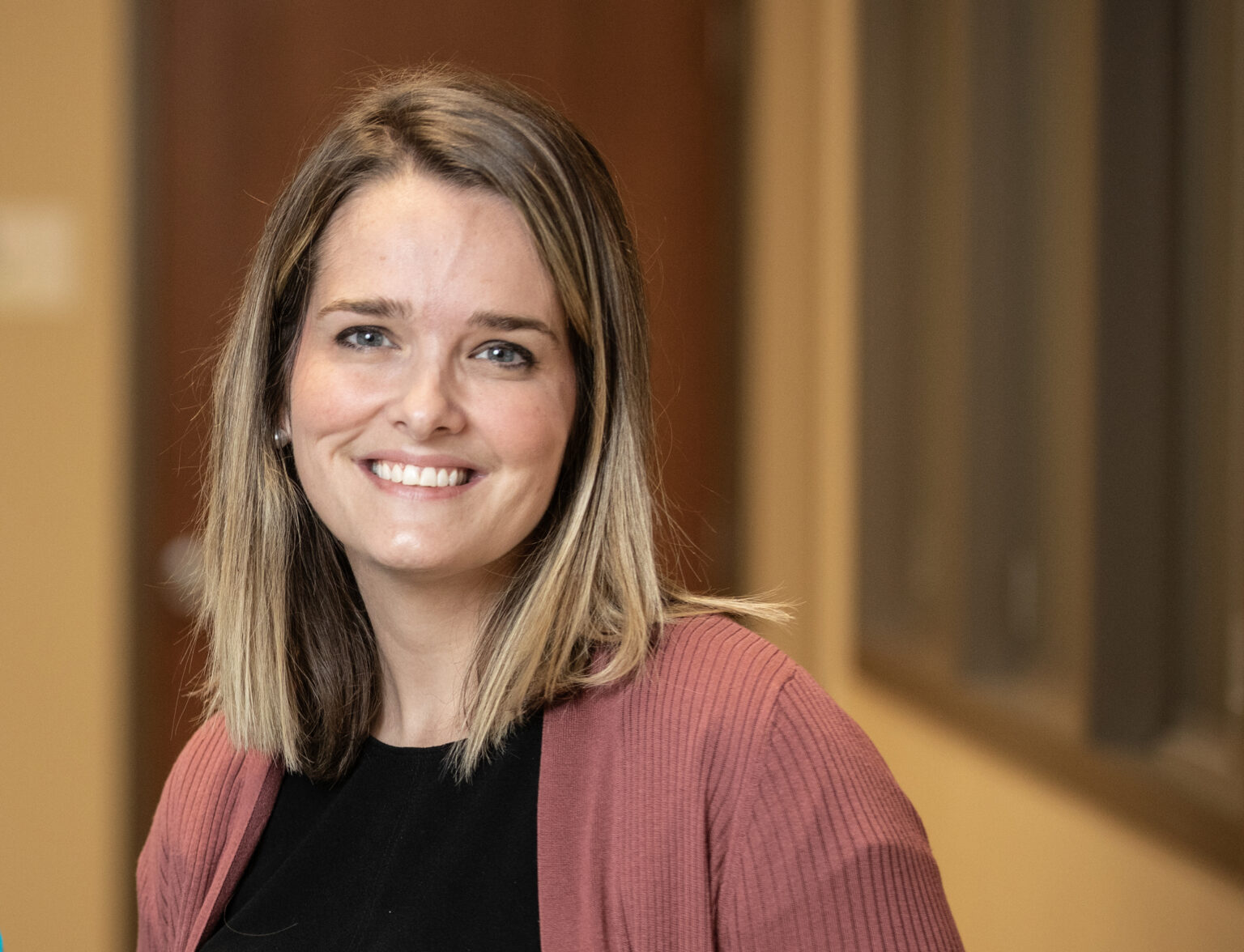
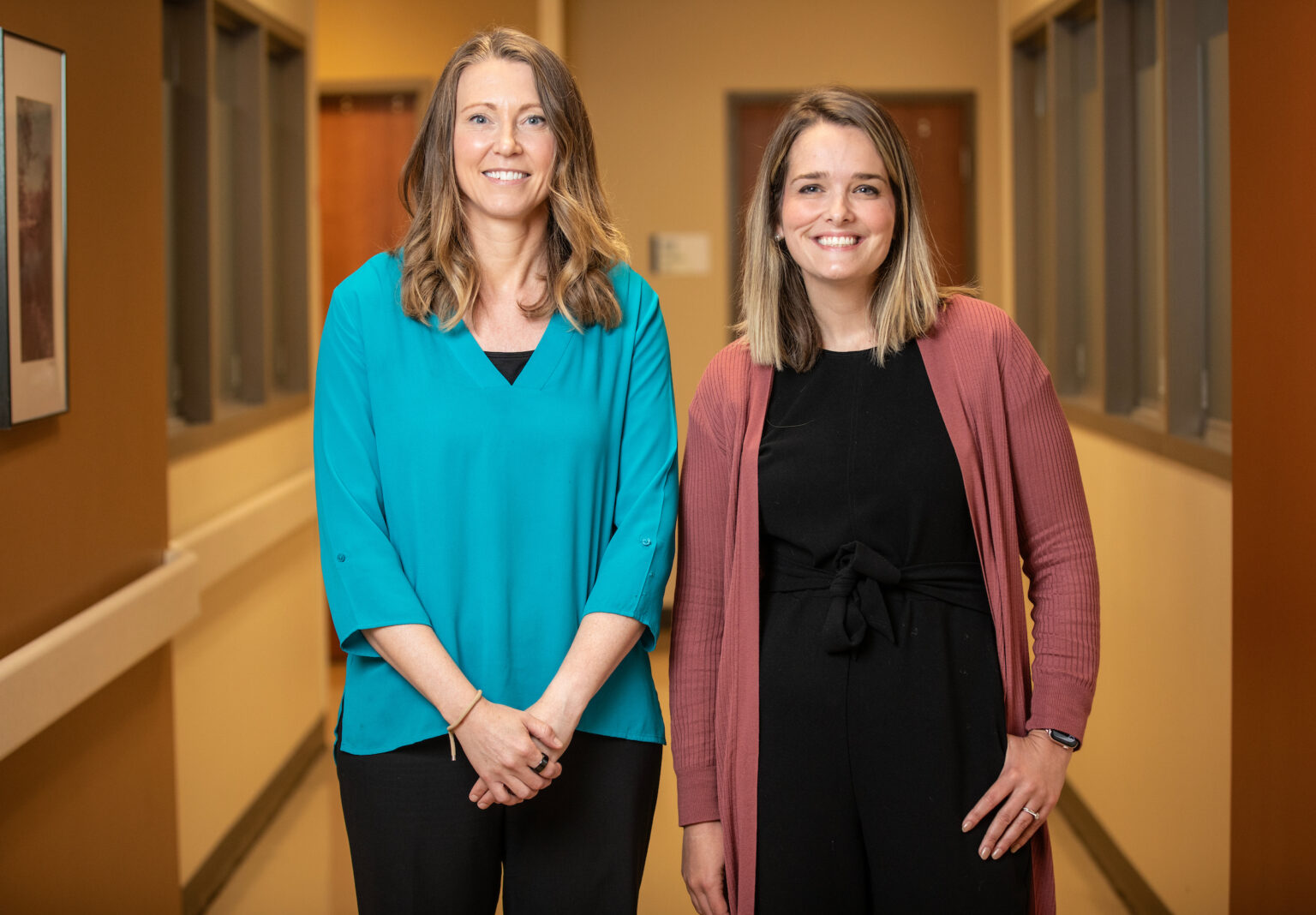
 Missy Scalise, MD, left, and Kaylin Craig, MD, are part of the team that developed the Primary Care-Internal Medicine Residency Program at Vanderbilt Wilson County Hospital. (photo by Erin O. Smith)

In August 2019, Vanderbilt Health completed its acquisition of Tennova Healthcare-Lebanon, renaming it Vanderbilt Wilson County Hospital. Just shy of seven years later, the 245-bed facility, which serves Lebanon, Mt. Juliet and surrounding communities, became a teaching hospital. And for one of Tennessee’s fastest-growing counties, the timing couldn’t be better.
“Several things came together. The community is growing rapidly; Vanderbilt Health’s presence across the region has grown with it; and the need for primary care continues to increase,” said Program Director Missy Scalise, MD. “At the same time, Vanderbilt Wilson County Hospital can provide residents an outstanding community-based clinical experience while connecting them to the teaching resources and subspecialty expertise of a major academic medical center.
“That combination is the idea behind the program: the relationships and breadth of community medicine with the resources of Vanderbilt Health behind it.”
In July, the first class of eight residents began the ACGME-accredited, three-year Primary Care-Internal Medicine Residency Program — doing so near areas that carry federal primary care Health Professional Shortage Area designations. This program is specifically designed to “make residents part of the community rather than simply rotating through it,” according to Scalise, encouraging physicians to remain in the region. Many in the current class have ties to the area.
“These residents are interested in being in primary care in a community setting,” said VWCH President Scott McCarver, MHA. “It’s getting harder and harder to get an appointment with a primary care physician because there are not enough primary care physicians in our communities.”
Residents alternate in two-week blocks: Two weeks on an inpatient service, subspecialty rotation or elective, followed by two weeks devoted primarily to ambulatory medicine and caring for their own patients in the clinic.
“That means there is as much time spent in the outpatient setting as there is in the inpatient setting,” said Scalise, Associate Professor of Clinical Medicine. “Our residents care for their own panel of patients living in Wilson County. They work alongside community physicians who may become their colleagues. They learn about local resources and barriers to care firsthand. Additionally, our program is designed so that when they graduate, they feel genuinely prepared to practice comprehensive primary care in a community like this one.”
Though residents will see the same kinds of conditions they would encounter at an urban hospital — diabetes, heart failure, COPD, obesity, kidney disease, cancer and the full range of internal medicine — they will learn to address them through a different lens.
“The diseases aren’t that different. The context is,” Scalise said. “Here they learn to ask the questions: ‘What can I manage myself, what requires specialty expertise, and how do I coordinate all of that across a health system?’ That is an essential skill for any physician but particularly for physicians practicing in the community. Our residents and their future patients will benefit from them having learned it.”
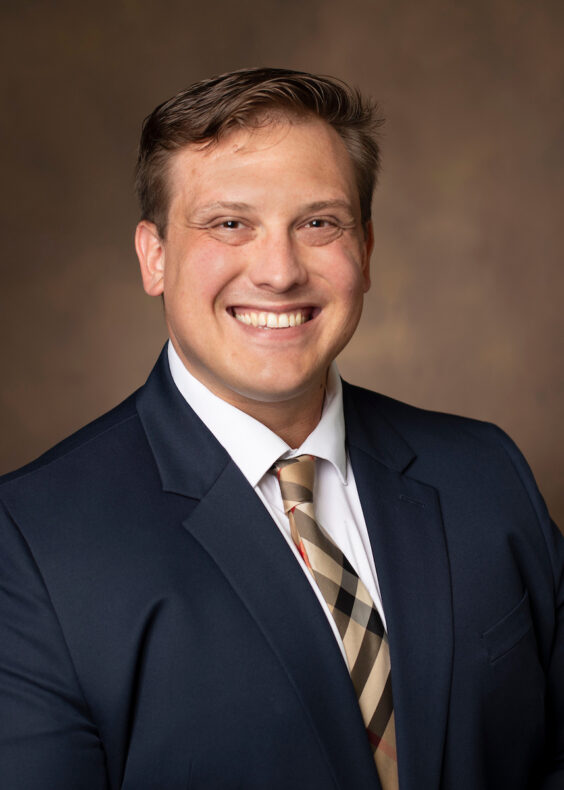
Ian Schultheiss, DO, said location is a big part of what drew him to the program.
“It worked out well because I was already rotating at Sumner Regional Medical Center for my third and fourth year rotations, so in a way, this was like applying to a ‘home program’ for me,” said Schultheiss, who grew up in Corona, California, and moved to East Tennessee in 2021 for medical school at Lincoln Memorial University-DeBusk College of Osteopathic Medicine.
“If I’m being honest, it really has become like home for me. Every person I’ve met that is part of this program, the clinic and the hospital has made me feel like I’ve found my place.”
Schultheiss’ wife, who recently started medical school, is from Claiborne County in upper East Tennessee.
“Living and working in areas with reduced access to care is something we’re passionate about,” he said. “We’re hoping she may be able to match here in a few years so we can stay and continue serving Wilson County.”
The residents aren’t the only ones who are learning. Scalise said that, while program leadership expected the logistics of building a new program — accreditation, curriculum, recruitment, etc. — they didn’t expect the support they received from every corner of the enterprise.
“What we didn’t expect was the number of people who would not only say yes to what we were asking but also replied, ‘Yes, and what else do you need?’ with genuine enthusiasm,” she said. “That has been the best surprise of the entire process and is one of the biggest reasons this program has succeeded so far and will continue to succeed. We are incredibly touched by the kindness and support everyone has shown the program.”
Helping the program come to fruition is a dream come true for Scalise, whose career has been driven by teaching and primary care.
“Watching a resident grow over three years into an independent physician is one of the most rewarding experiences I have been part of — and so is sitting across from a patient I have known for years. Someone who, in my mind, has become an extended part of my family.
“Building a residency that trains excellent primary care physicians means we get to do both at once. We get to develop physicians while caring for patients and communities over time.”
The first residents of the Vanderbilt Wilson County Primary Care-Internal Medicine Residency Program are:
- Makayla Brunt, MD, Central Michigan University College of Medicine
- Kristy Custer, DO, Edward Via College of Osteopathic Medicine-Auburn Campus
- Manuel Linarte, DO, Philadelphia College of Osteopathic Medicine
- Lean Nitorreda, MD, Ateneo School of Medicine and Public Health
- Morgan Schermerhorn, DO, A.T. Still University School of Osteopathic Medicine in Arizona
- Ian Schultheiss, DO, Lincoln Memorial University-DeBusk College of Osteopathic Medicine
- Michael Sedhom, MD, East Tennessee State University James H. Quillen College of Medicine
- Sarah Turnbull, MD, East Tennessee State University James H. Quillen College of Medicine
Eight residents will be added annually for the next two years with the goal of 24 total residents by year three.
“Starting a residency is one of the longest-horizon investments a hospital can make,” Scalise said. “The eight residents who started this July will be practicing medicine for the next 30 or 40 years. That is what makes Vanderbilt Health’s commitment meaningful. The investment isn’t only in the Wilson County of today — it’s in the physicians this community will need in 2050.”