The Vanderbilt Memory and Alzheimer’s Center (VMAC) is launching the third year of the Tennessee Dementia ECHO program, a statewide educational initiative designed to help health care professionals improve the diagnosis, treatment and management of Alzheimer’s disease and related dementias. This program is supported by a Tennessee Department of Health grant awarded to Raymond Romano, PhD, MPH, FNP-BC, of VMAC.
As Tennessee’s population ages and rates of dementia continue to rise, many patients receive most of their care in primary care and community-based settings. Yet, many clinicians have little formal dementia training. The Tennessee Dementia ECHO program provides health care professionals with direct access to dementia specialists through interactive virtual sessions that combine expert-led education with real-world case discussions. The Tennessee Dementia ECHO program is building a statewide network of health care professionals who can recognize cognitive impairment earlier, navigate complex care decisions, and provide evidence-based support to people living with dementia and their care partners.
Since its launch in 2024, the program has expanded to serve clinicians across West, Middle and East Tennessee through regional partnerships with the University of Memphis and the University of Tennessee at Chattanooga. In the 2025 reporting period, 27 sessions were held statewide, reaching more than 500 registered learners across 40 Tennessee counties. Participants include physicians, nurse practitioners, physician assistants, nurses, social workers, pharmacists and other professionals involved in dementia care.
The West Tennessee Cohort is scheduled to begin Wednesday, Oct. 7, 5:30-6:30 p.m. CT, and will be offered for six consecutive Wednesdays. To register: West TN Link
The East Tennessee Cohort is scheduled to begin Thursday, Date TBD, 4-5 p.m. CT / 5-6 p.m. ET, and will be offered for six consecutive Thursdays. To register: East TN Link
The Middle Tennessee Cohort is scheduled to begin Thursday, Oct. 29, 7-8 a.m. CT, and will be offered for six consecutive Thursdays. To register: Middle TN Link
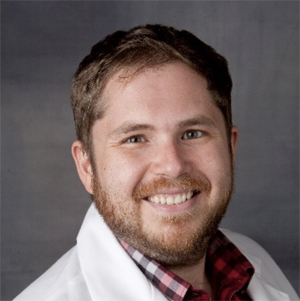
“Where a person lives should not determine the quality of dementia care they receive,” said Romano, Director of the Tennessee Dementia ECHO program. “Through Tennessee Dementia ECHO, we’re helping to bring dementia expertise directly into communities across the state by equipping local health care professionals with the knowledge, skills and support they need to provide timely, evidence-based care.”
The Alzheimer’s Association’s annual Facts and Figures report for 2026 estimates that more than 129,200 Tennesseans ages 65 and older are living with Alzheimer’s or other dementia, with an estimated 393,000 family members and friends serving as unpaid caregivers. As the number of Tennesseans living with dementia grows, health systems face increasing strain in efforts to diagnose and treat them. This series delivers tailored mentoring designed to support primary care providers and other health care professionals serving this population.
About Tennessee Dementia ECHO Program
Founded in 2024 by Romano, the Tennessee Dementia ECHO program is a statewide telementoring program that expands access to dementia expertise through virtual learning and case-based discussion. The program supports physicians, nurse practitioners, physician assistants, nurses, social workers, pharmacists and other health care professionals who care for older adults living with cognitive impairment and dementia.
The program’s mission is to improve dementia care across Tennessee by strengthening the knowledge, skills and confidence of clinicians while fostering collaboration among health care professionals, health systems and community organizations.
About the Vanderbilt Memory and Alzheimer’s Center
The Vanderbilt Memory and Alzheimer’s Center is a national leader in Alzheimer’s disease research, clinical care, education and community engagement. Through multidisciplinary clinical services, innovative research and educational programs, VMAC works to improve the lives of individuals living with Alzheimer’s disease and related dementias and the families who care for them.