




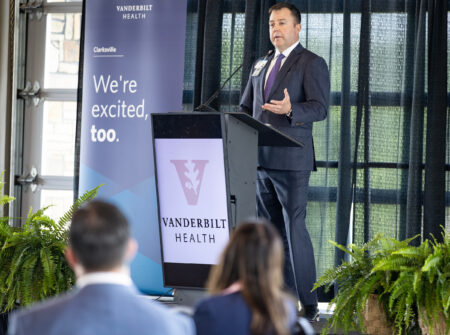
Randy Davis, MBA, President of Vanderbilt Clarksville Hospital, discusses the city’s rapid growth, recruiting physicians to a fast-changing region and what the community expects next. Since taking over, Davis has overseen a jump in daily patient census from 125 to more than 200, along with expanded staffing and services.
Q: You’re a Middle Tennessee lad; you’ve moved all around the mid-state; and in that time, Clarksville has joined the ranks of places-to-know. What sets Clarksville apart?
Davis: The change and the rapidness of the Clarksville change has been exponential. It’s not been linear. Even here within the hospital, talking to some of the medical staff members who have said, “You’re not going to be able to recruit here, because you’re going to be talking to these brand-new, fresh-out-of-training doctors, and they’re always going to choose Nashville.”
Yet, when we’re bringing new doctors to see the hospital — whether they are from out of state or from Vanderbilt Health’s training pipeline — they come here, and they are enamored with the place. It has that downtown feel. It has vibrancy. It has youth.
It’s amazing to watch people shake off the notion that Clarksville is rural. People who have been practicing medicine for a while and who haven’t been up this way on Interstate 24 in a while, they have some questions about what it will be like to practice here. I just smile and invite them up for a site visit. It’s the same every time, “Wow, this is its own entity; a big entity with a lot to offer.”
You know what? We have converted 100% of the people who wondered if Clarksville would be a draw.
Q: You’re talking about the individualism of a place that echoes Jane Freedman, MD, Deputy CEO and Chief Health System Officer, in a Q&A for Community Impact. She said Vanderbilt Health is growing with its communities, and what works in Franklin is not going to work in Rutherford or Wilson counties. What does Clarksville need?
Davis: The first thing is trying to go from managing a scarcity of resources to managing an abundance of resources because that’s what Vanderbilt Health brings to the table.
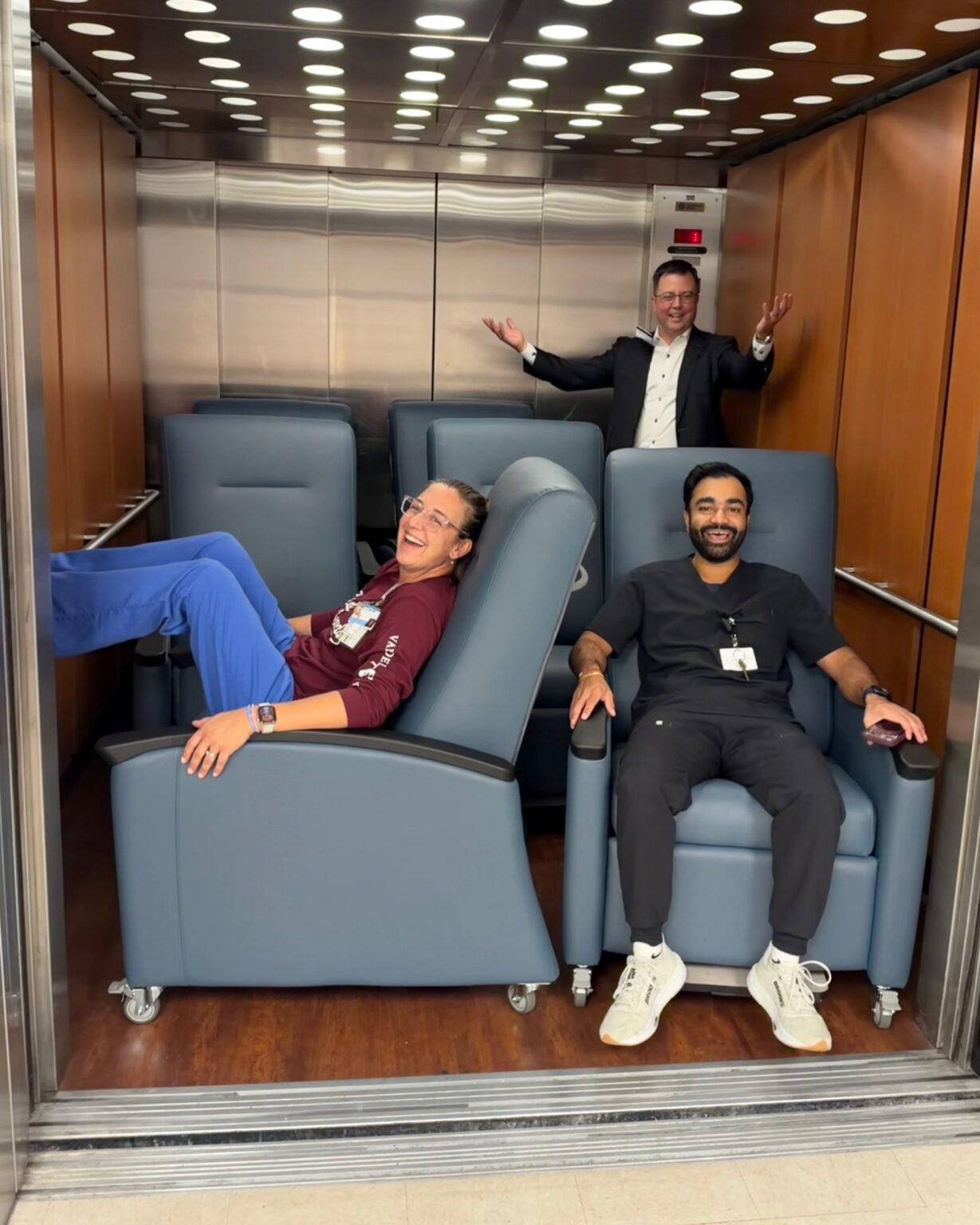
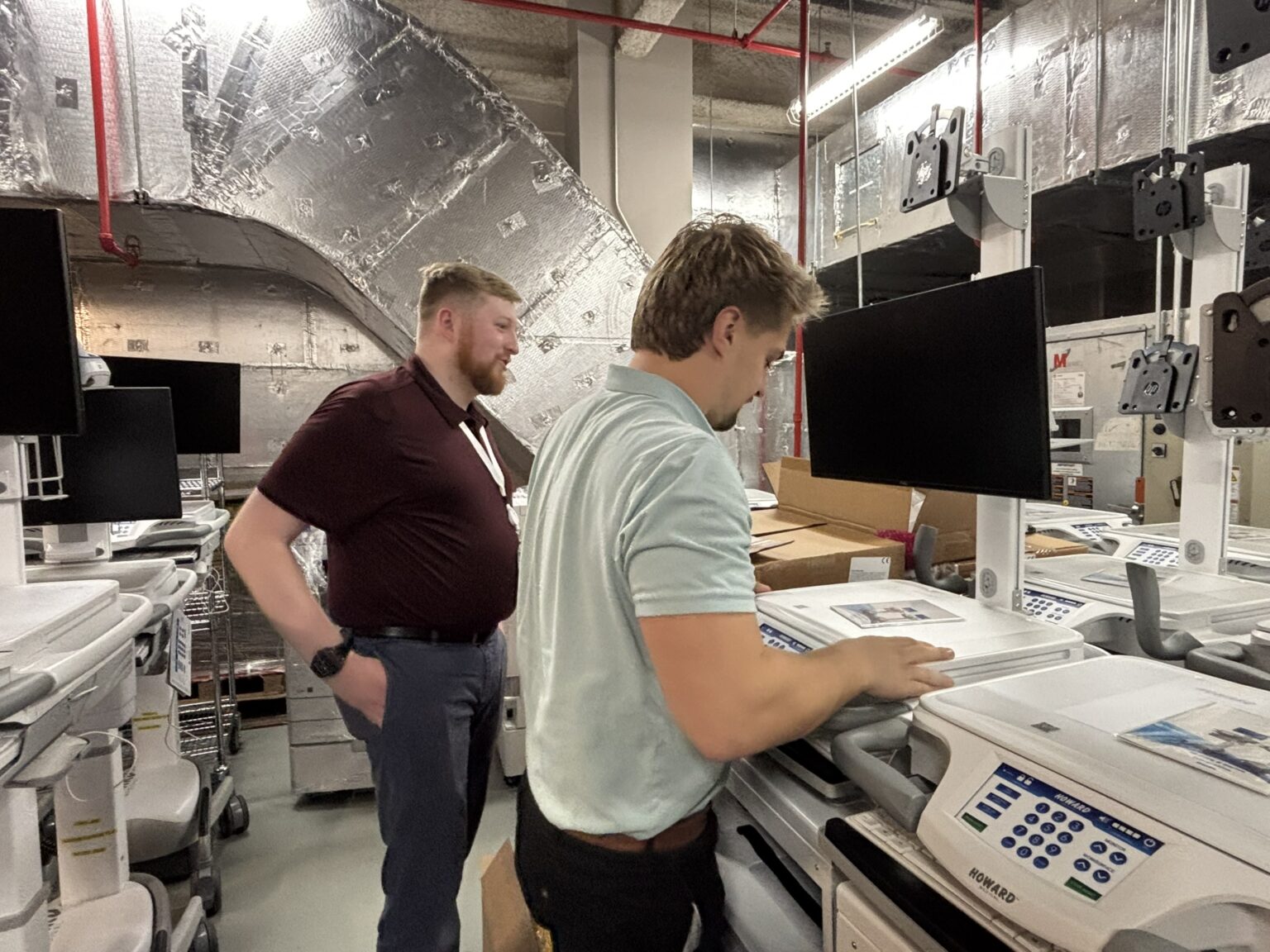
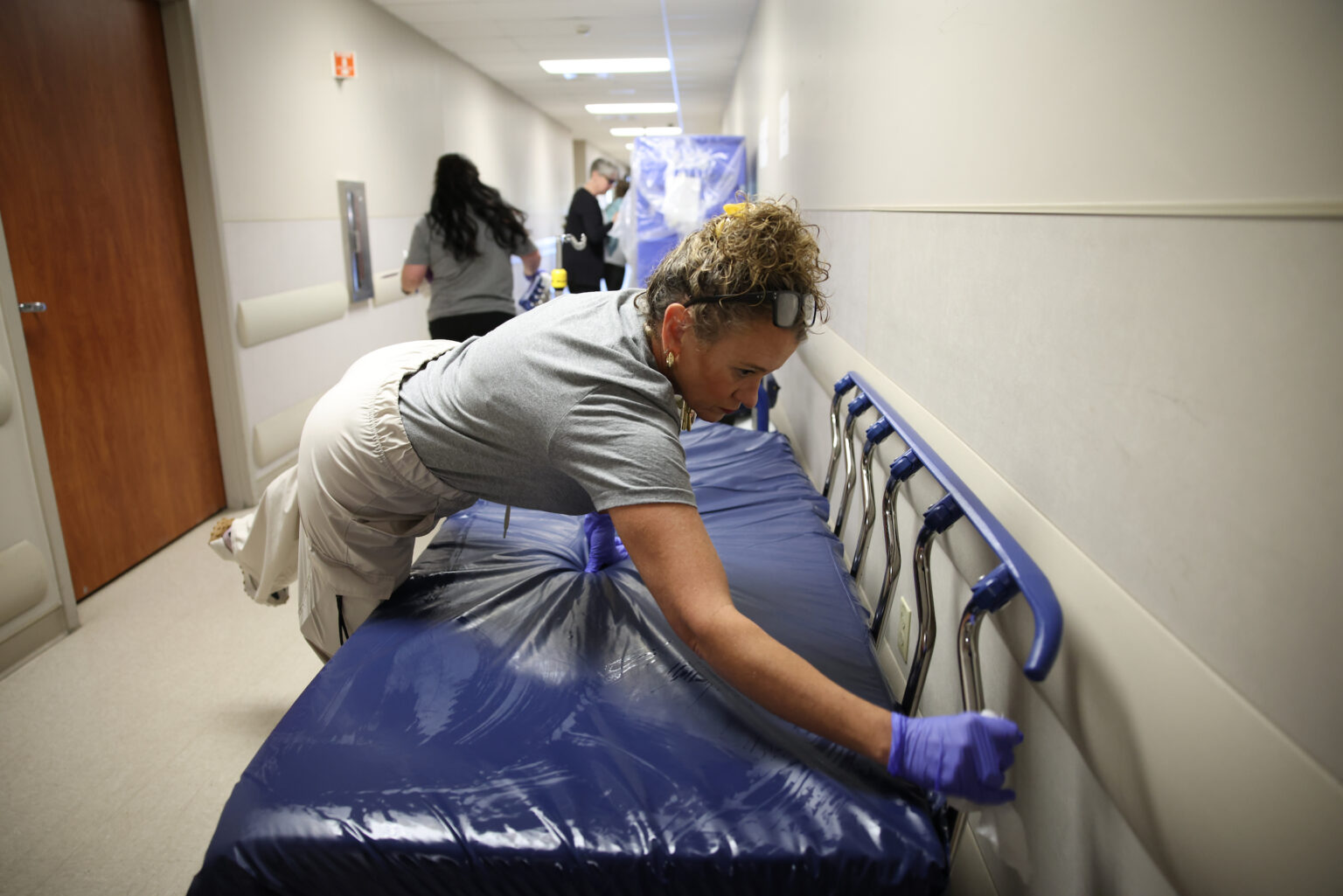
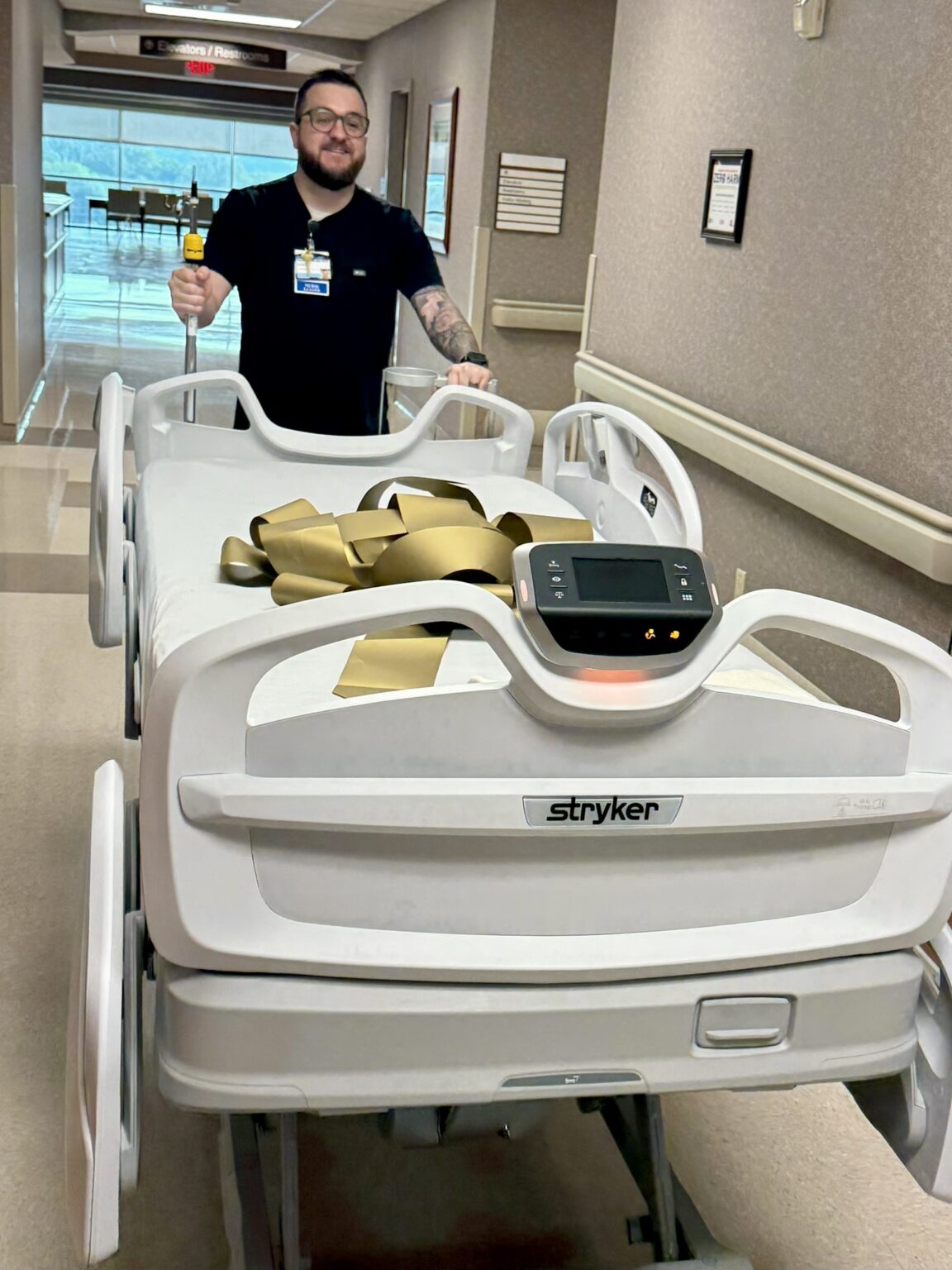
I’ve stood in front of staff saying, “Tell me what you need to be successful and take care of patients to the Vanderbilt Health standard?” Once they describe it, I respond, “Well, I can check all those boxes, and I’m going to double down and go even bigger. You didn’t ask for these wraparound services, which you’re going to get anyway. You didn’t ask for this level of equipment, which you’re going to get anyway.”
That’s been just an eye-opening experience — to get to say to them, “You’ve got it. You’ve got the capability; you’ve got the heart; you’ve got the drive; you’ve got the desire. You just never had the stuff that you needed to be successful.” Then I watch the light bulb turn on, that Vanderbilt Clarksville Hospital is going to be the most comprehensive, highest-quality hospital in a booming metropolis. Knowing that we are investing in what they need, and in them, makes our destination a doable journey. By the way, this community deserves this mentality, because this community is also something that we, Vanderbilt Health, can be proud of.

Q: You’re right at the eighth-month mark. What is an accomplishment you want the world to know?
Davis: The biggest thing that’s the most eye-opening was first acknowledged by our chief nursing officer. One day we were putting together a list of milestones that we hit to put our six months into better perspective. I went around asking, “What is it?” and the staff did a great job of putting together all their bullet point things.
But then the chief nursing officer does what only chief nursing officers can do: she says, “Well, we did open a 60-bed hospital in the last six months.”
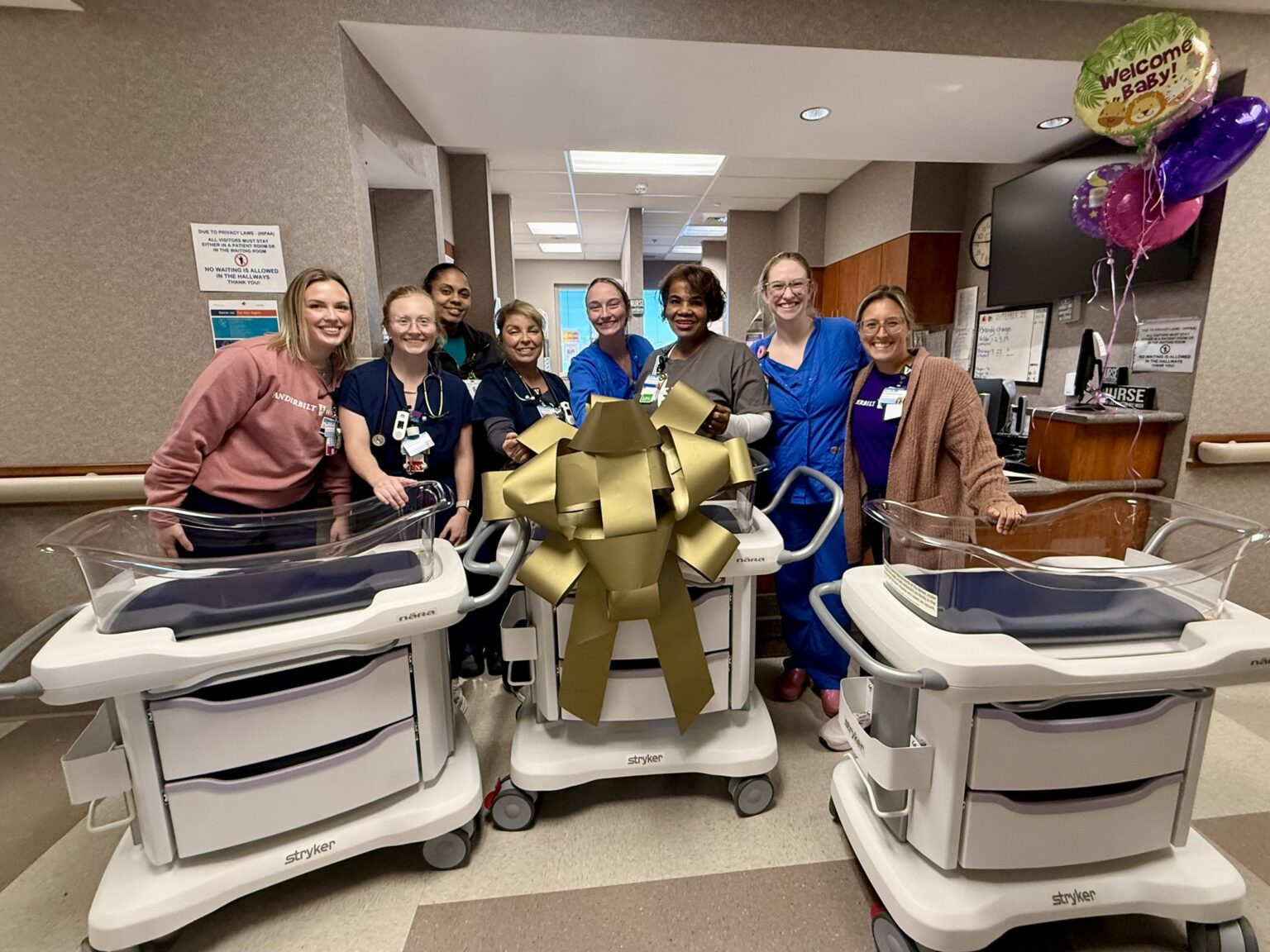
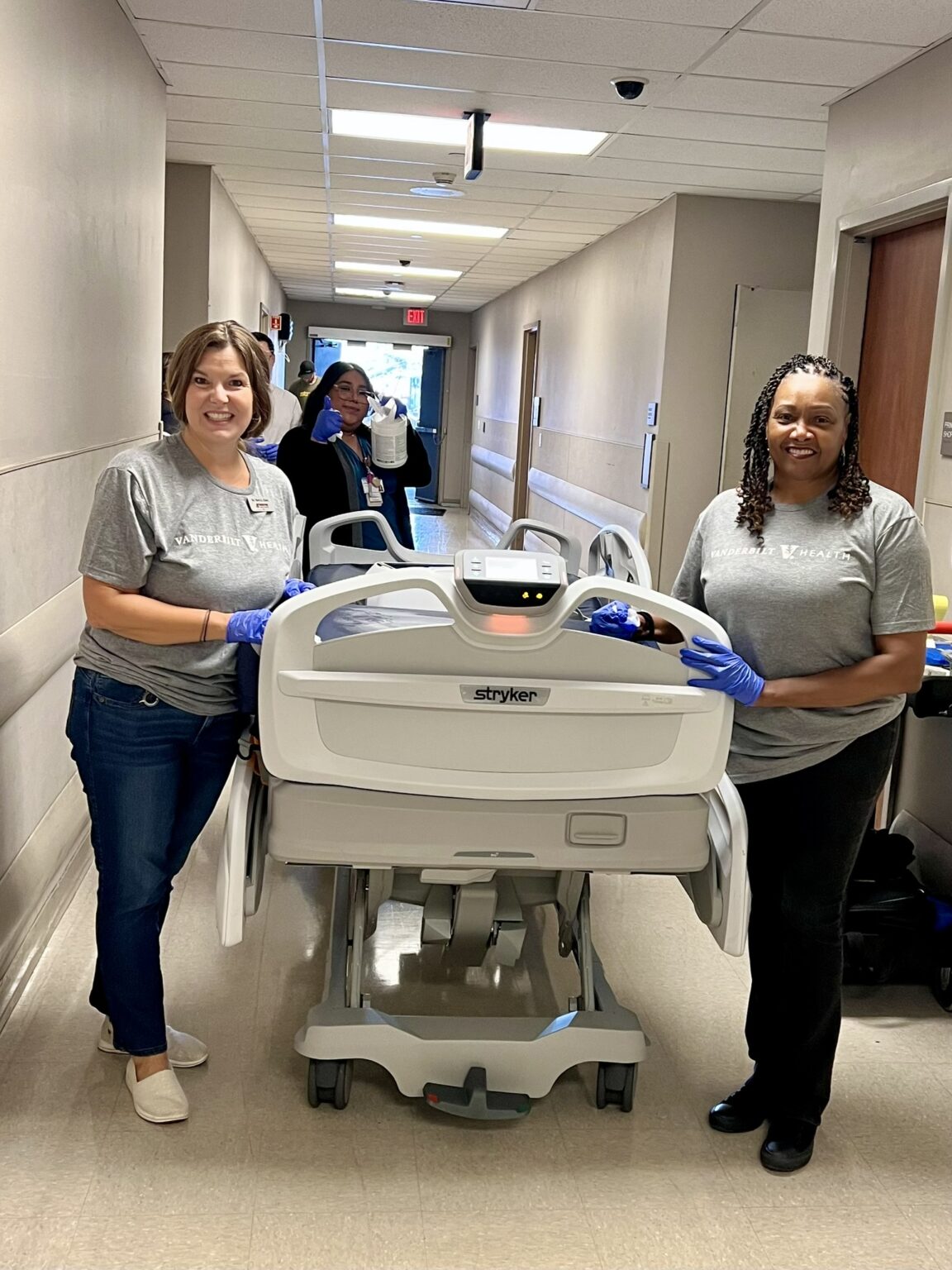
That’s when it hit me, and I said, “You’re right; because when we came in, we had an average daily census of 125. We are running well over 200 now, and these patients are in beds. We’re staffed with appropriate ratios. We’ve got wraparound services. We’ve got the equipment and what we need to accommodate an extra 60 fully staffed beds over and above what we did before.” We got the greenlight, and we gave it all the resources needed. We stood up a 60-bed hospital in the last six months.
Q: You’ve led a variety of hospitals, what is your philosophy?
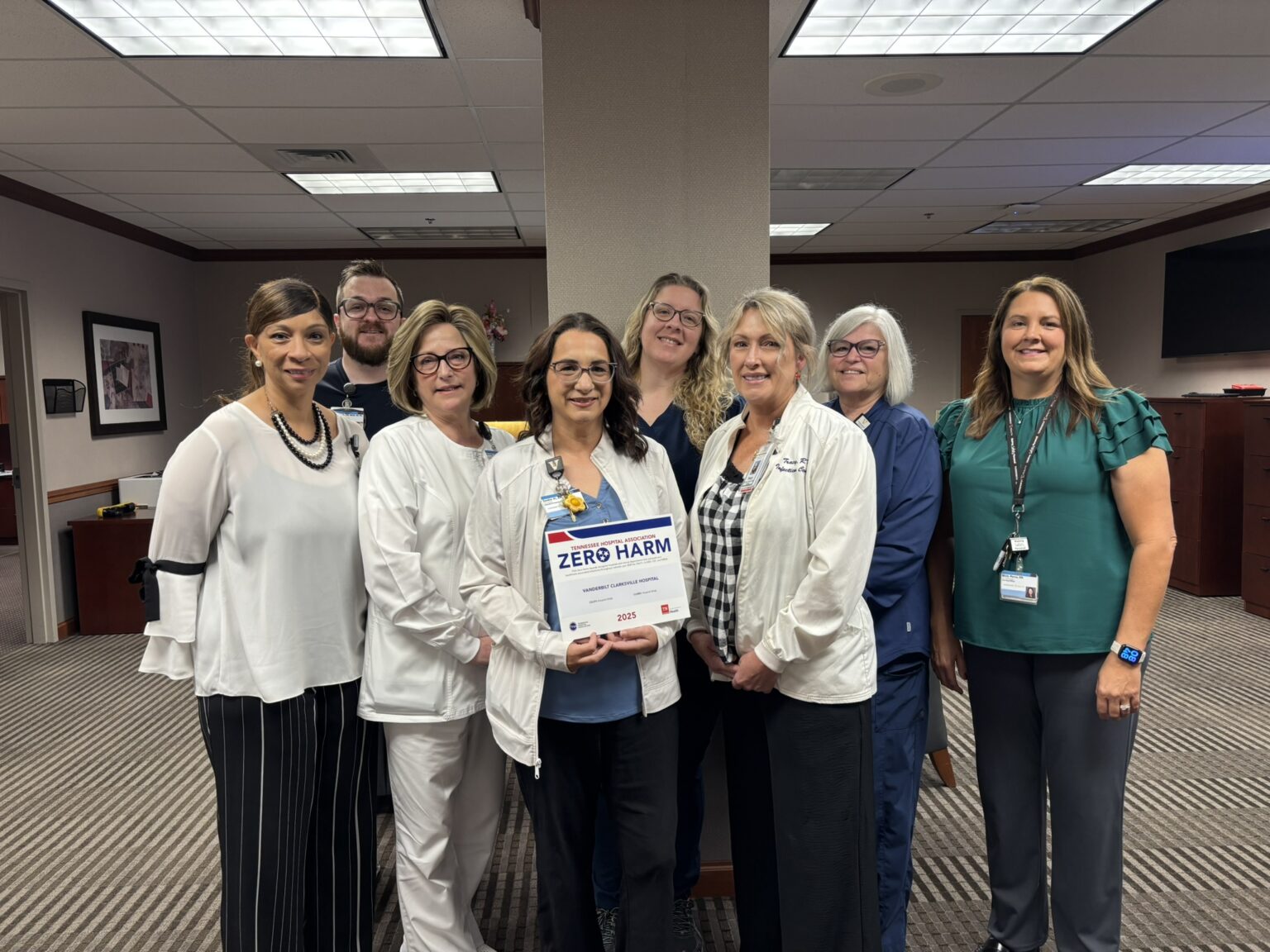
Davis: I want to hear a physician talk about patient care and the patient experience and clinical outcomes and reduction of harm. That’s why I love being part of a physician-led organization, because I know that is what’s driving us. That’s the heartbeat of the organization.
That’s where Dr. Freedman is — the drum that she bangs, and she’s right — which is just do the right thing for the patient. Everything else will take care of itself, and that’s how we’re organized and structured.
Q: A year from now, what will you look back on?
Davis: How far we came in such a short amount of time! We’ve essentially just opened a 60-bed hospital. What we needed to do first is become a good, solid community hospital as quickly as we can. I think that we’ve done a great job of that because the community is beginning to come in droves.
Then, as quickly as possible, begin to meet the aspirations of this community. They don’t want just a community hospital; they want a medical center. They want a regional medical center. They don’t want to go to Nashville for something that they feel is an expectation of a medical center for a community of this size.

