


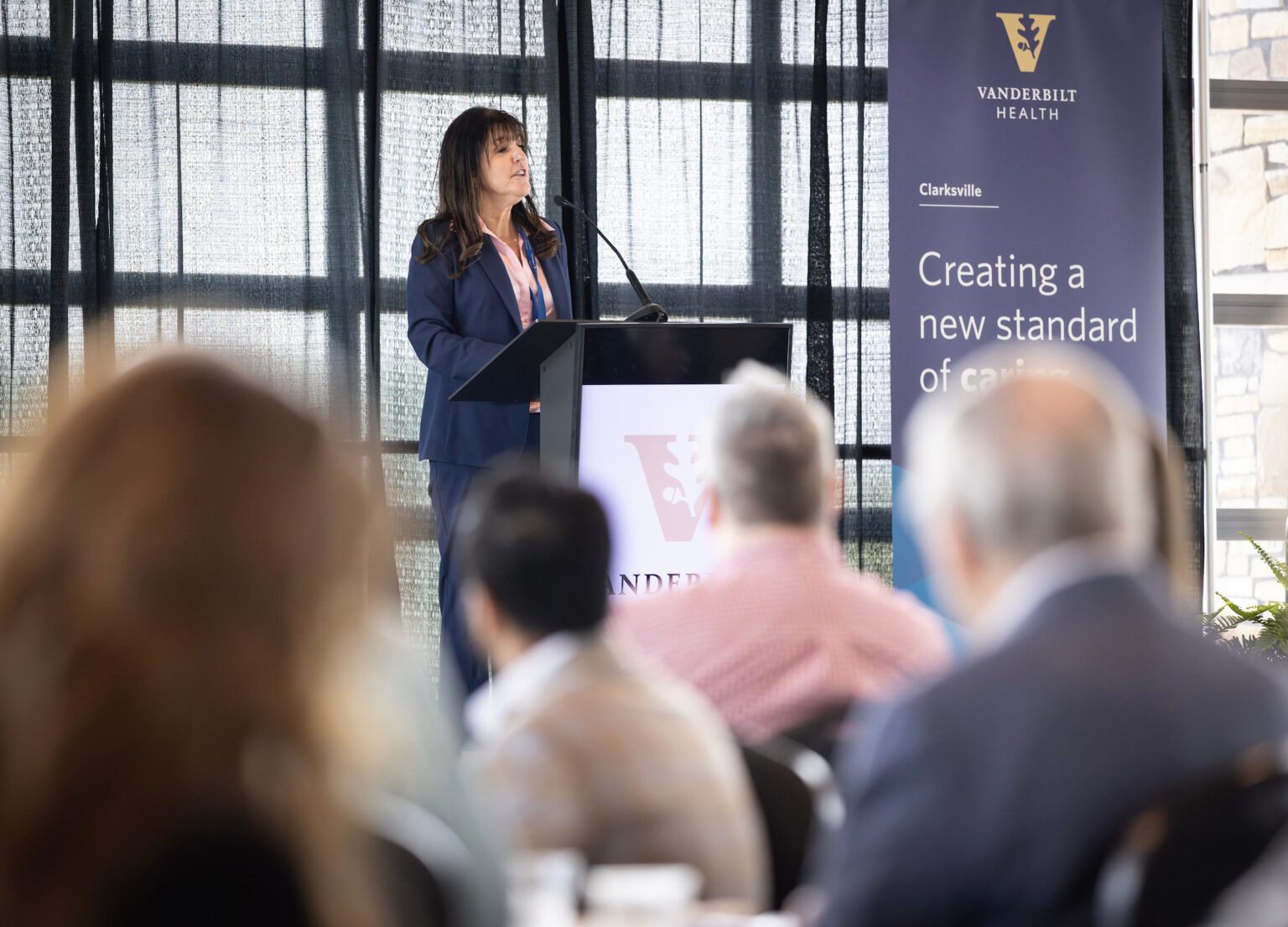
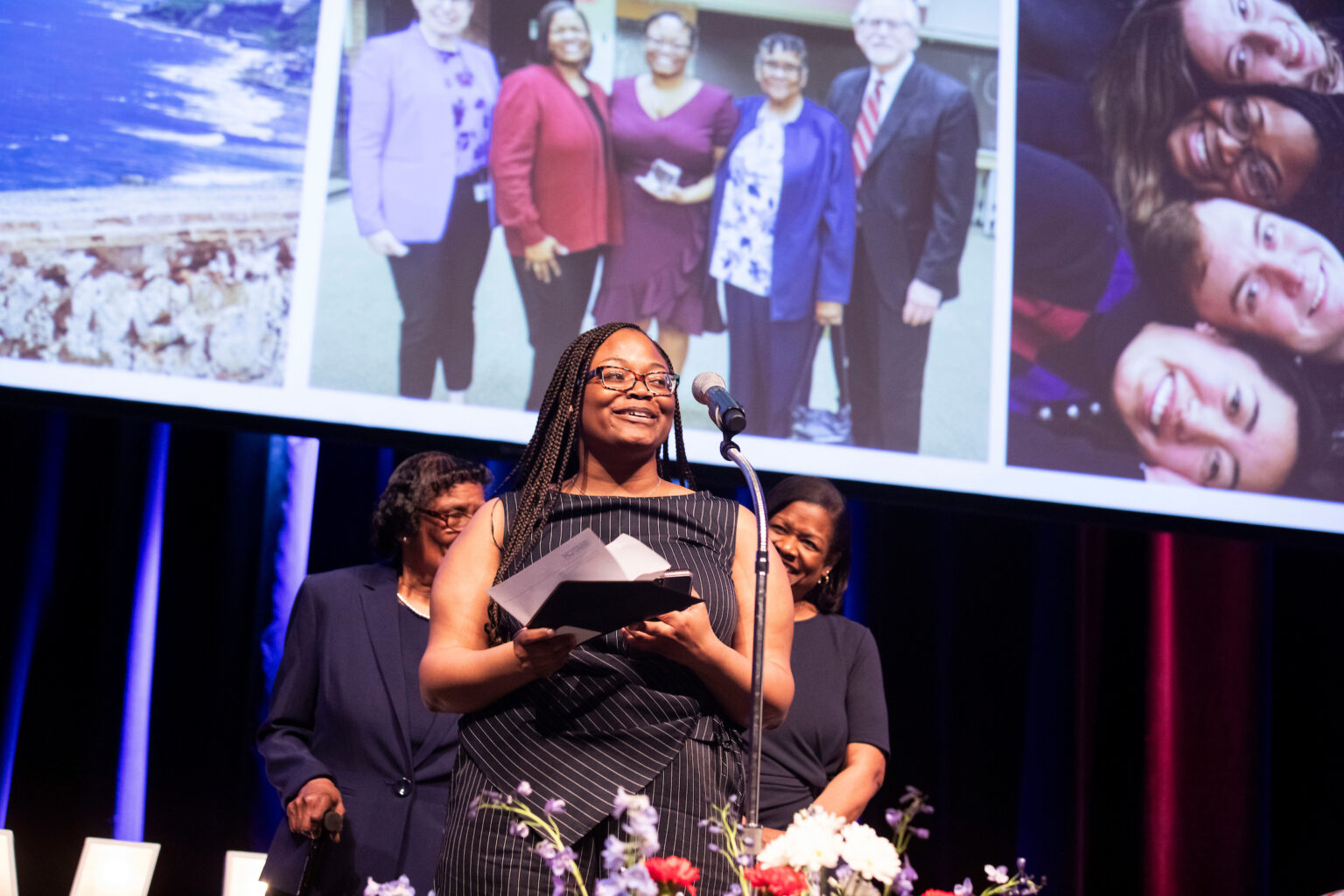
 Jane Freedman, MD, Deputy CEO and Chief Health System Officer for Vanderbilt Health, speaks during the Vanderbilt Clarksville Hospital Community Welcome event at the Wilma Rudolph Event Center on Monday, April 13, 2026, in Clarksville, Tennessee. (photo by Erin O. Smith)
Local hospitals are community pillars, and towns can really thrive when there’s trust in their local hospital, but Tennessee has lost many over the recent years. What does rejuvenating trust in communities look like and mean to you?
Building community trust is vital to what we do. We’re fortunate to already be starting with a lot of trust and brand recognition, particularly in Middle Tennessee.
It’s crucial to help people take care of their problems. When people believe we really care about them and want to take care of them, they’ll do a better job taking care of their own health. That goes both ways — and I’d say it’s particularly true in Tennessee.
We have the facilities, creativity and people to figure out ways to take care of people better in areas where some hospitals may have closed — better telehealth, smaller staffed clinics that people can come into, things like that. Those are things we’re working to expand, too.
You joined Vanderbilt Health as the Division of Cardiovascular Medicine Director in 2021 and quickly found your place in the health care milieu. What about Vanderbilt Health drew you to the role you’re in now?
Well, the reason I moved here — a little over five years ago — was because of the community. I had looked at chief of cardiology jobs in Boston and all over. When you interview, everyone says they’re collegial, and everyone says they’re welcoming, and everyone says they’re supportive. But this place genuinely is. The expectation is that we care about each other.
I arrived around the time we acquired three community hospitals. As I’ve progressed in leadership here alongside the growth of Vanderbilt Bedford Hospital (VBCH), Vanderbilt Tullahoma-Harton Hospital (VTHH), and Vanderbilt Wilson County Hospital (VWCH), I’ve realized how important it is that we are more than a centralized campus. We’re not a hub-and-spoke. We want VBCH, VTHH and VWCH, and now Vanderbilt Clarksville Hospital, to know they are just as vital as the 21st Avenue Campus.
Everyone has a role to play. The 21st Avenue Campus is not the first line of care for people in communities across Middle Tennessee because we’re not down the road. We are here when people need services, but we need care in the local communities so people are invested in their health and the health of their community.
Tennesseans caring for Tennesseans





What is a Middle Tennessee milestone for you, besides the successful integration of Vanderbilt Health’s first Regional Hospitals?
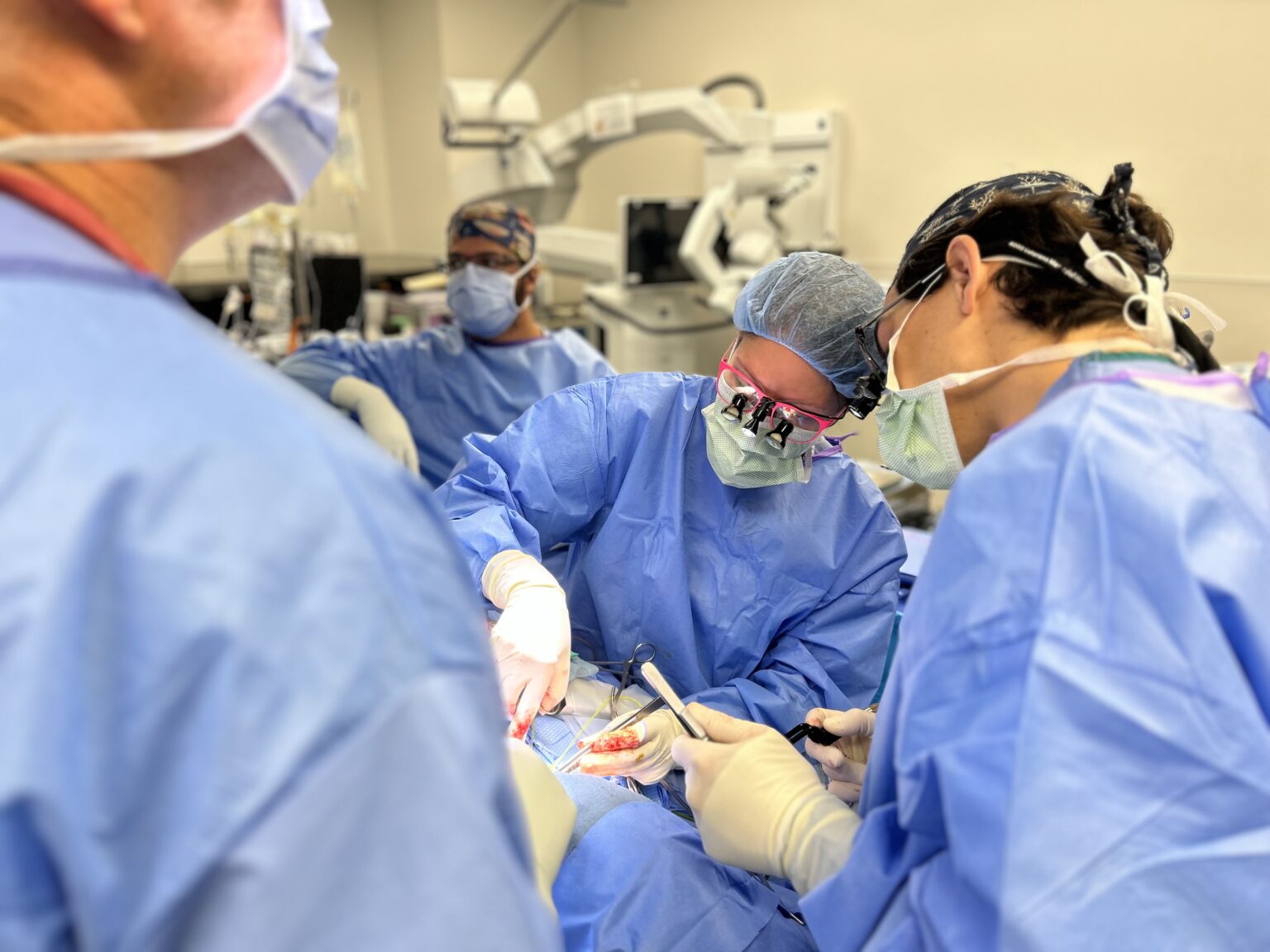
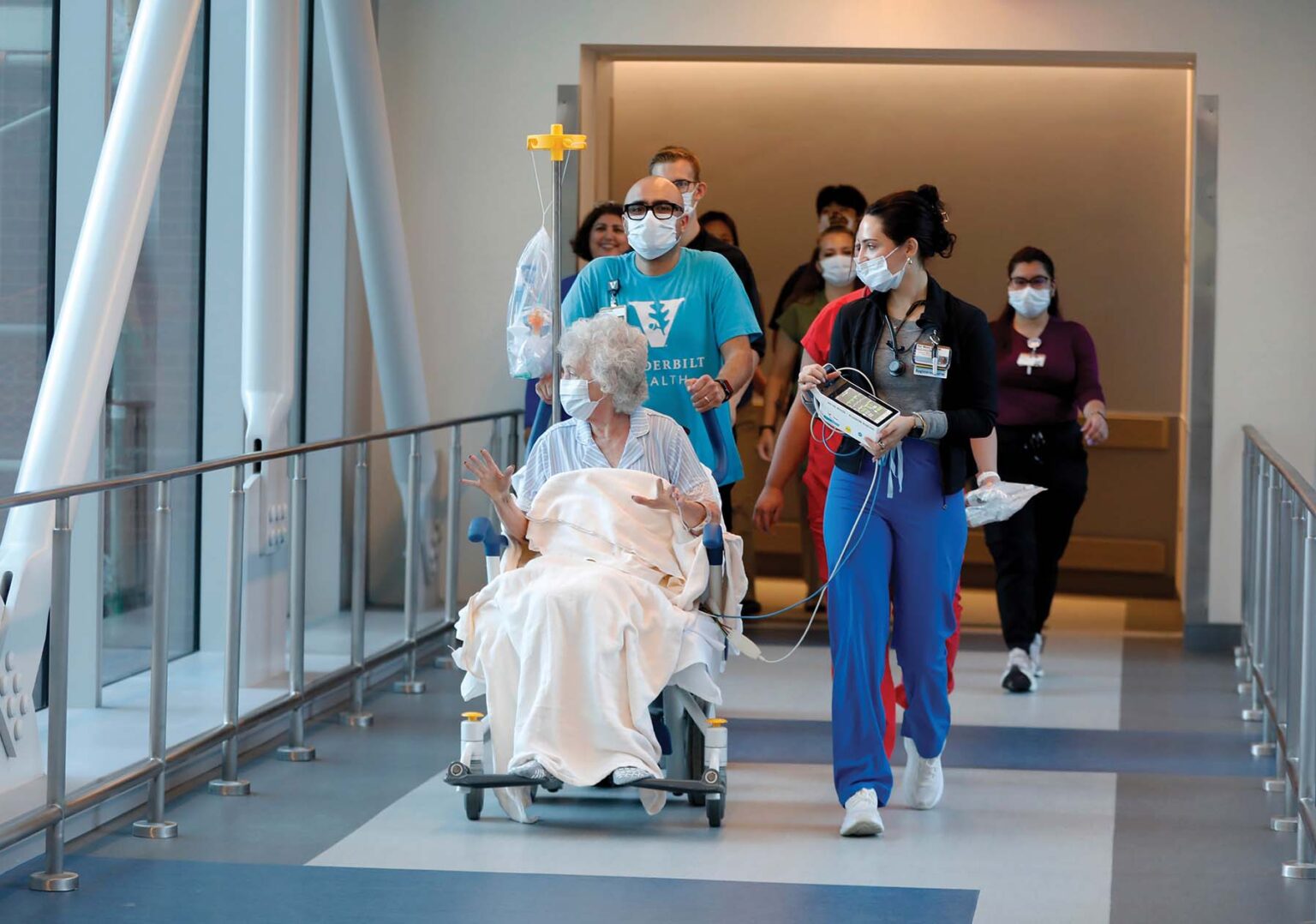
We hold a certain standard of care on the 21st Avenue Campus, and we demand that same standard across all of Vanderbilt Health, from clinics to hospitals. Clarksville is a great example. We’ve gone there and changed the staffing ratios, put in new beds, new chairs, and opened up the cafeteria for longer hours. We know people don’t want to be at the hospital, so when the community members find themselves there, they can get a warm meal seven days a week. It may not be direct patient care, but we care about the people in Clarksville, and we want to be a part of their lives.

A culture of community is pervasive in Tennessee, and that’s evident at Vanderbilt Health, too. People want to contribute to their neighbors and take care of their friends. How does that drive the thinking about investing in new clinics or new facilities?
Every community is different. Since it’s so fresh, let’s look at Montgomery County. It’s the fastest growing county in the state, and it’s a young demographic, and they are next to Fort Campbell. Because of this growing population, there is an incredible shortage of specialties, and people there are driving to Nashville for much of their specialized care. If a child needs to go into the hospital, they drive downtown, which is wild. We all know what traffic is like.
We strive to put the right service in the right place: Some communities need fast care — a walk-in or urgent care clinic. Some communities need more inpatient beds. Some communities, like Clarksville, need cardiologists, gastroenterologists, more obstetrics and gynecology — they need more specialties and hospital care for their children.
From the outside, Tennessee is Tennessee, but once you’re here, you realize these communities — even within Middle Tennessee — are so different. You have to enjoy and embrace that. That way, you’re providing the care that a particular community needs. What doesn’t work at all is saying, “Oh, well, people in Williamson County are like this, so people in Rutherford County are going to be the same.” It just doesn’t work that way.
What is the priority each day when you come to work?
I am typically focused on the big picture and figuring out how to get the system to work well together. We have fixed resources. How do we utilize what we have to the best of our ability, yet grow in a way that helps all the communities rise together? I spend a lot of time looking at data and speaking to our thought leaders throughout the community and in our practices.
One of the challenges: People want to do several times the amount of work that we are able to do each year. How do you pick which projects move forward next year and which have to wait? It’s very difficult. You think about it from a systems perspective. Many people might think, “Oh, I’m sure what goes on the chopping block are the regional things.” That’s absolutely not true. We’re making big decisions right now and must consider how that will affect people.
It’s data and speaking to people. You have to figure out what really needs to be done in the next year, and what could wait without jeopardizing the community. That’s a lot of what I’m thinking about, particularly at this time of year.
You must decide based on the system. That’s a lot of what I do in this job — think about the system and how to make it run the best. Fundamentally, it’s all to help the patients of Tennessee, and particularly Middle Tennessee.

