


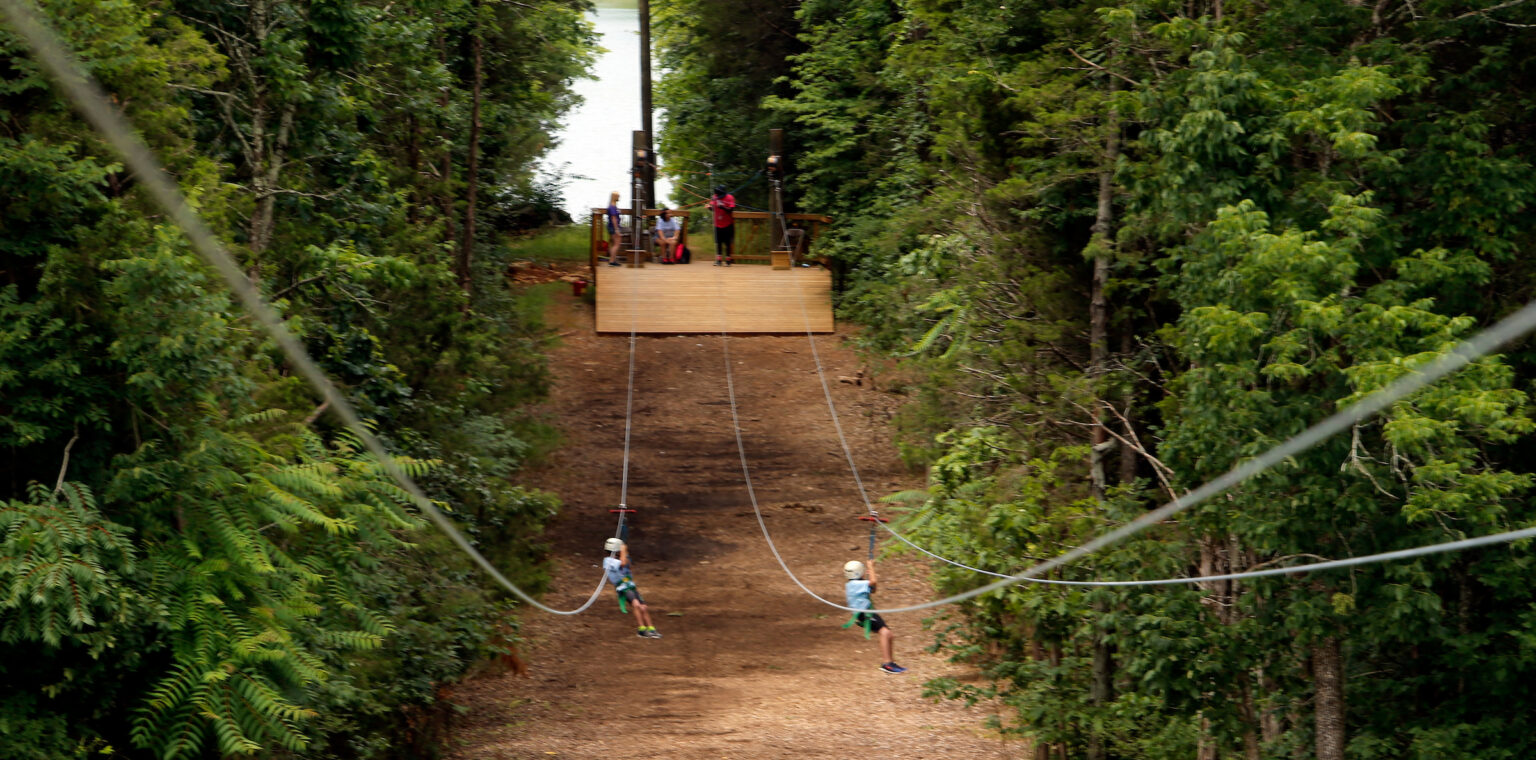
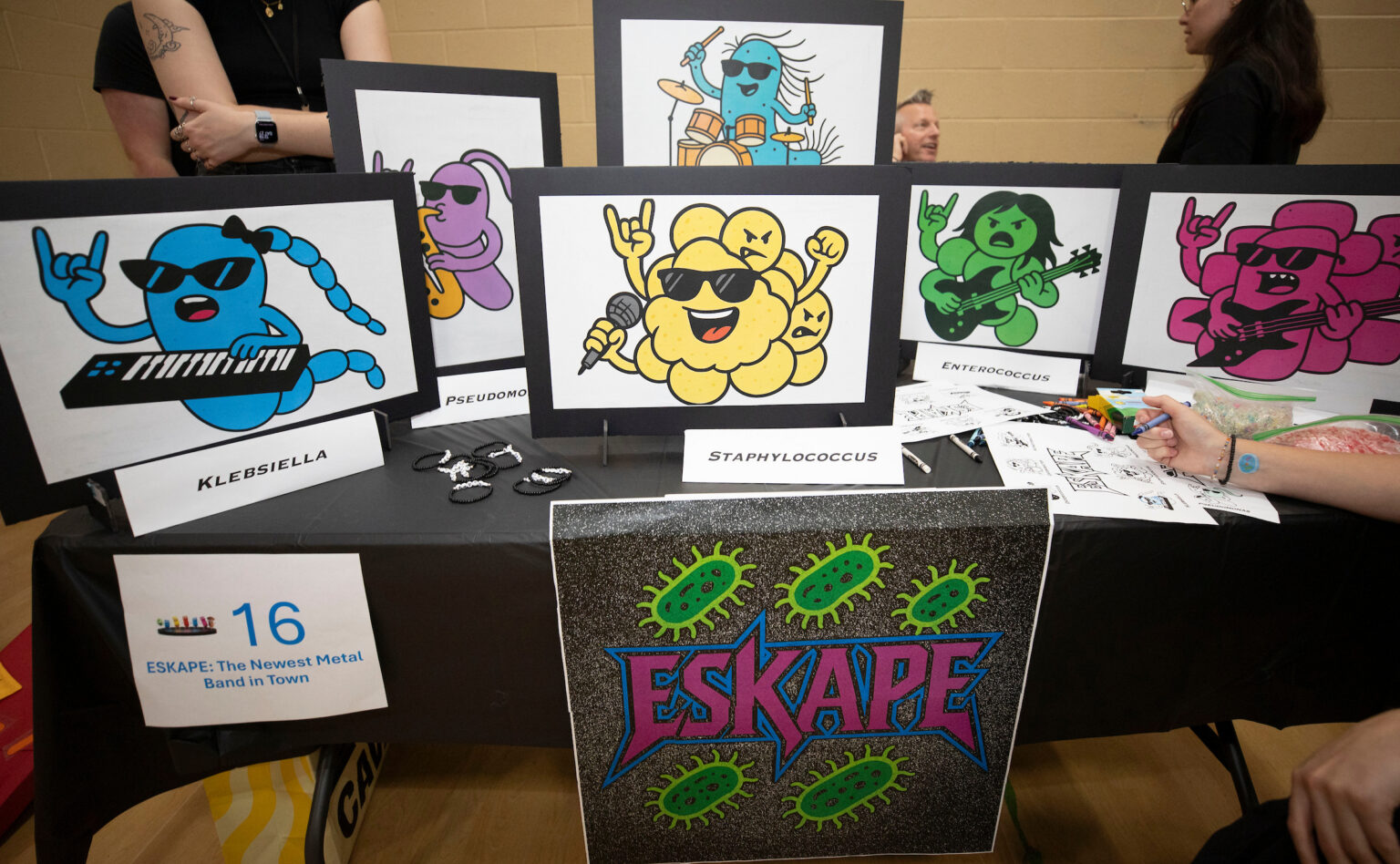
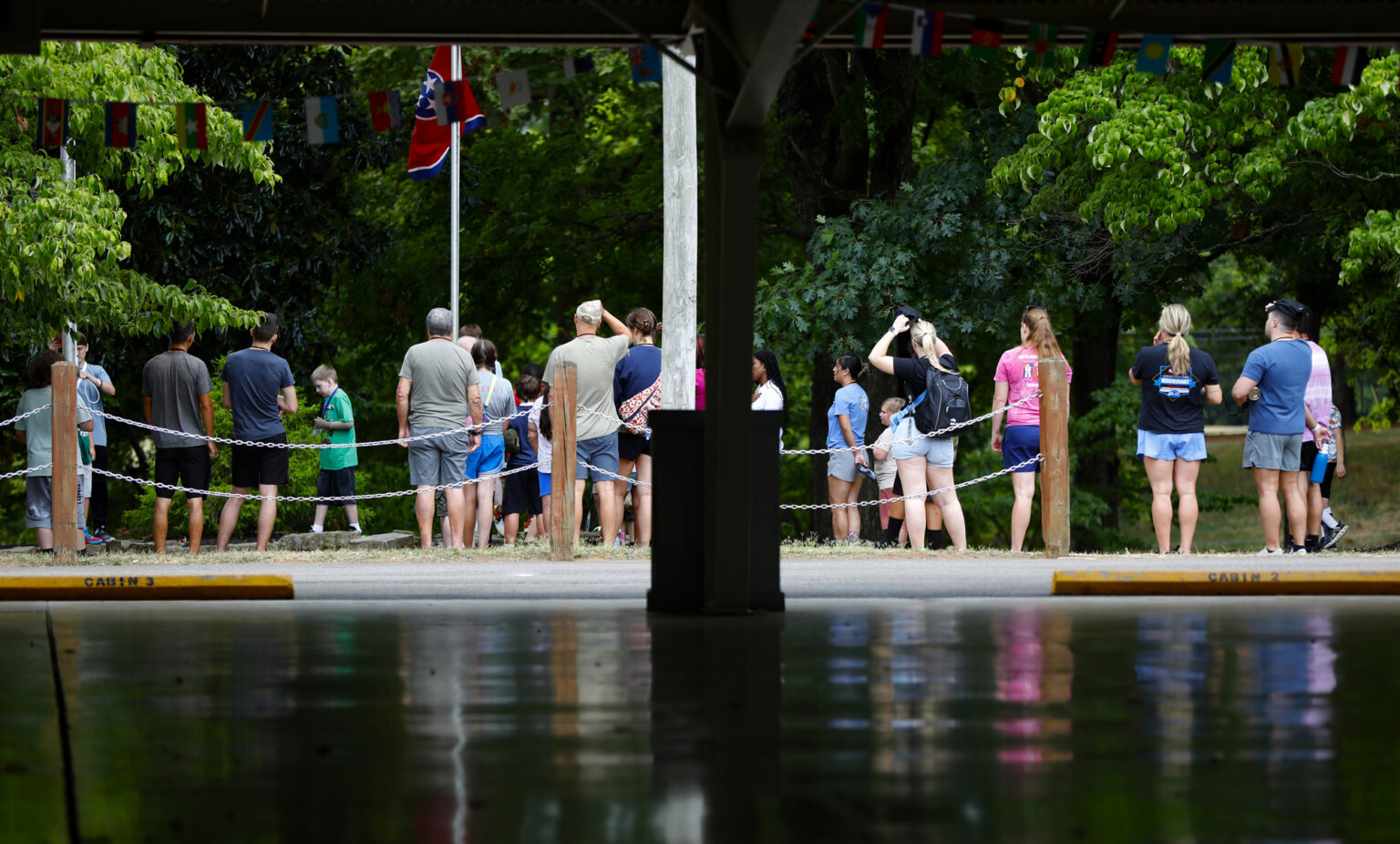
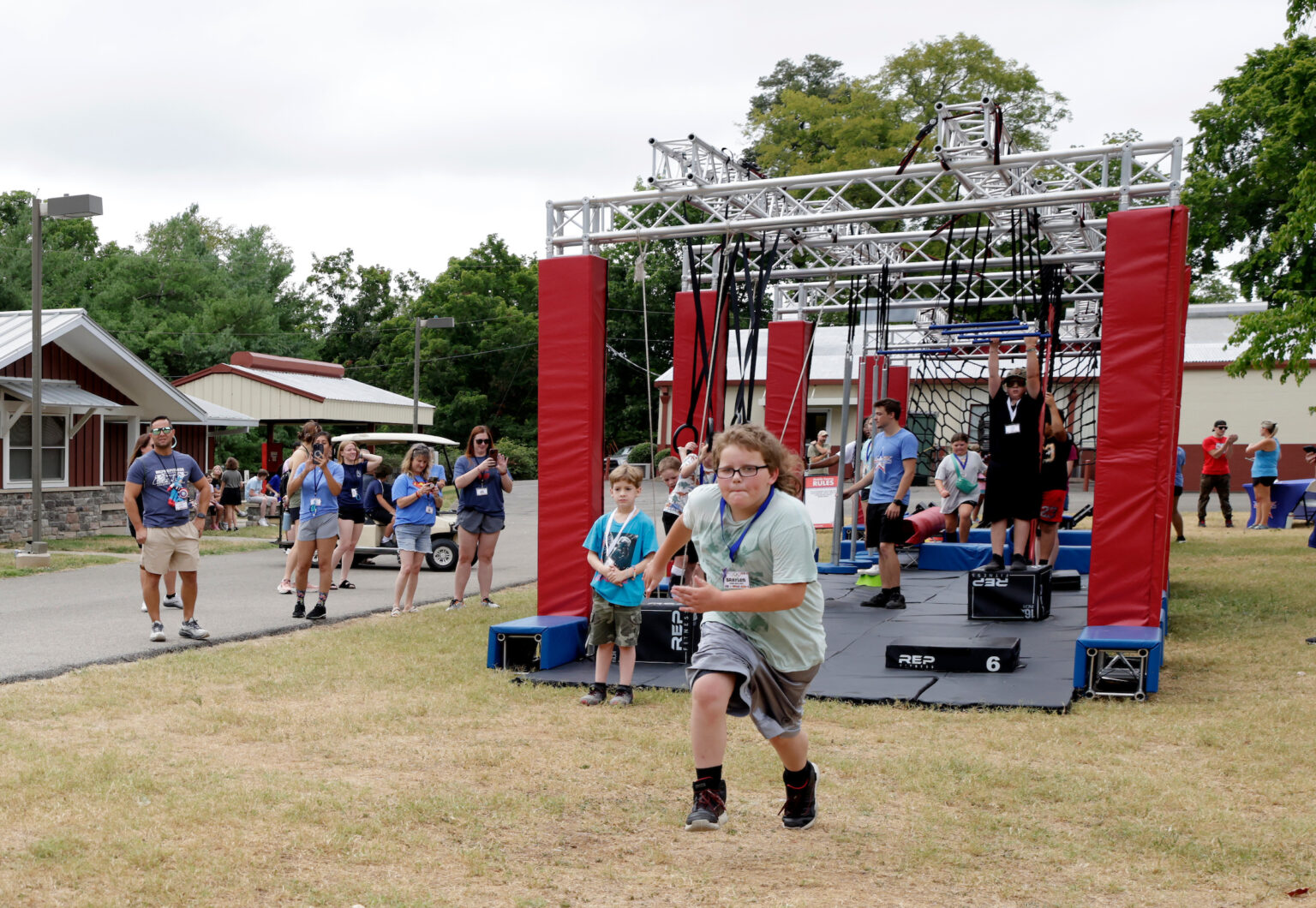
Caring for children takes a village, and at Monroe Carell Jr. Children’s Hospital at Vanderbilt, summer means it’s time to celebrate with condition-specific summer camps, youth programming and community-based efforts to enrich patients’ lives.
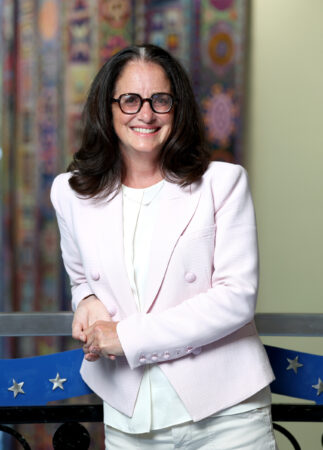
Kris Rehm, MD, MMHC, Vice Chair and Executive Director of the Vanderbilt Office of Community Child Health in the Department of Pediatrics, talks about the multifaceted impact camps have on children.
You serve as Vice Chair and Executive Director of the newly established Vanderbilt Office of Community Child Health. What is the goal?
The goal is to meet children where they are supposed to be — not primarily in clinics or hospitals, but in their homes, communities, schools and churches, living their best lives. My mission is to bring together the many strong efforts already underway across Monroe Carell and amplify them in the community. We want to take the pillars of pediatrics — prevention and keeping children healthy — and extend those beyond traditional care settings. Connecting and coordinating this work means we can better support families in real-world environments, strengthen community partnerships and ultimately improve health outcomes in a more meaningful way. Every child deserves the opportunity to succeed, and we know their health is shaped by much more than clinical care.
Why is it important to connect with children in their communities rather than only in clinics or hospitals?
Take asthma as an example. Historically, we’ve focused on treatment in the hospital or clinics by managing attacks, prescribing medications or referring to specialists. But we haven’t always connected those efforts to what’s happening in a child’s home. If we can understand environmental triggers like mold and dust, or lack of proper equipment such as HEPA filters, we can intervene earlier and more effectively.
We’re working to deploy community health workers to help identify these issues at the household level. By doing this, we can prevent emergencies, reduce hospital visits and keep kids in school, doing what they love! It’s about shifting from reactive care to proactive, holistic support to truly improve daily life.
What gap does a summer camp fill that a clinic visit simply can’t?
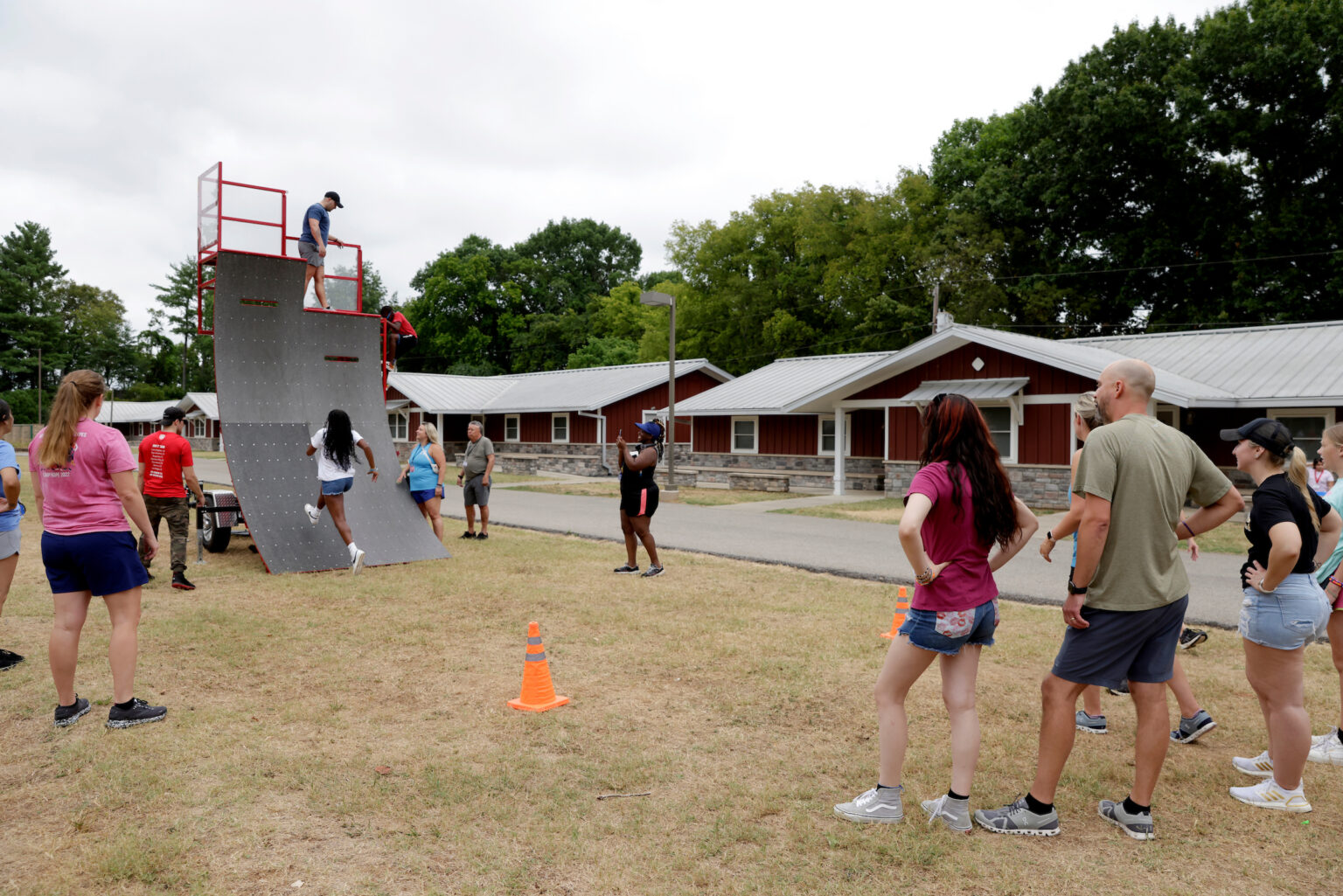
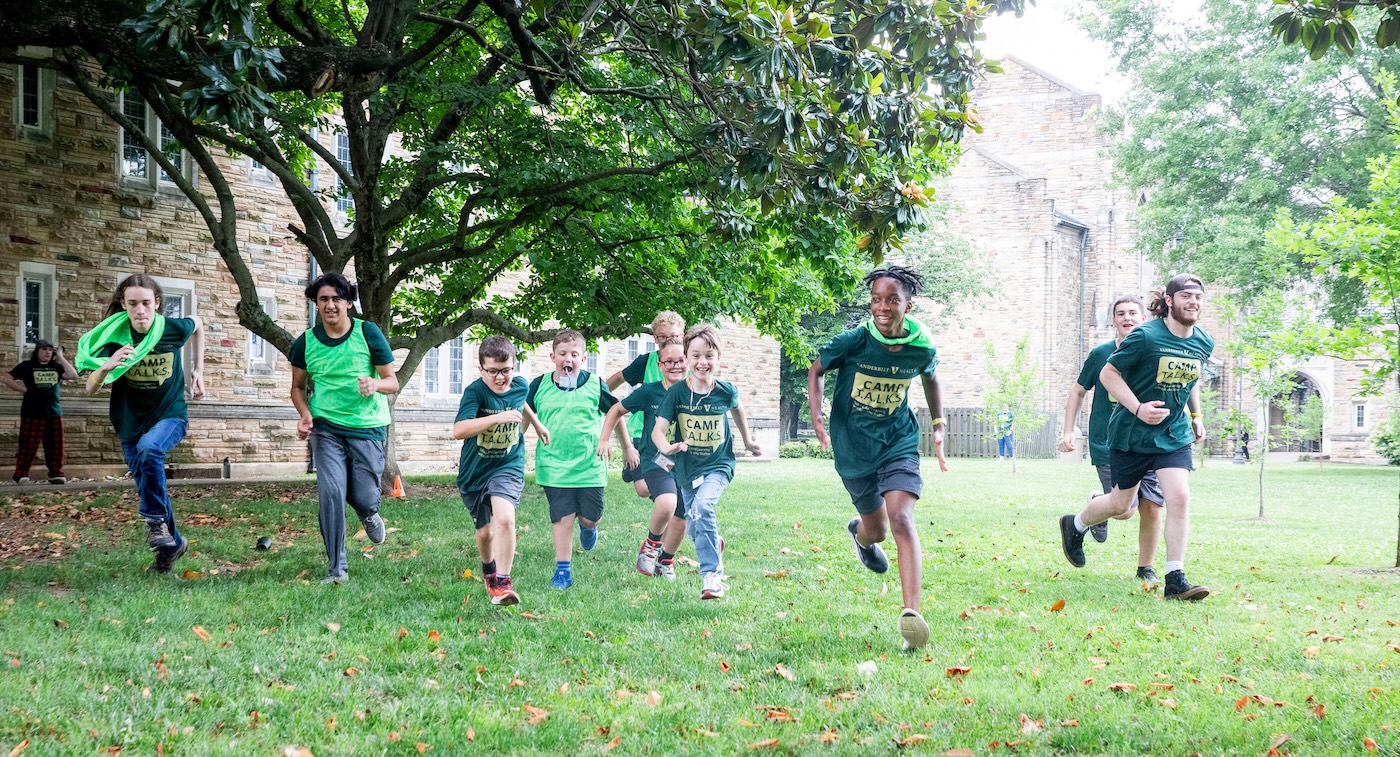
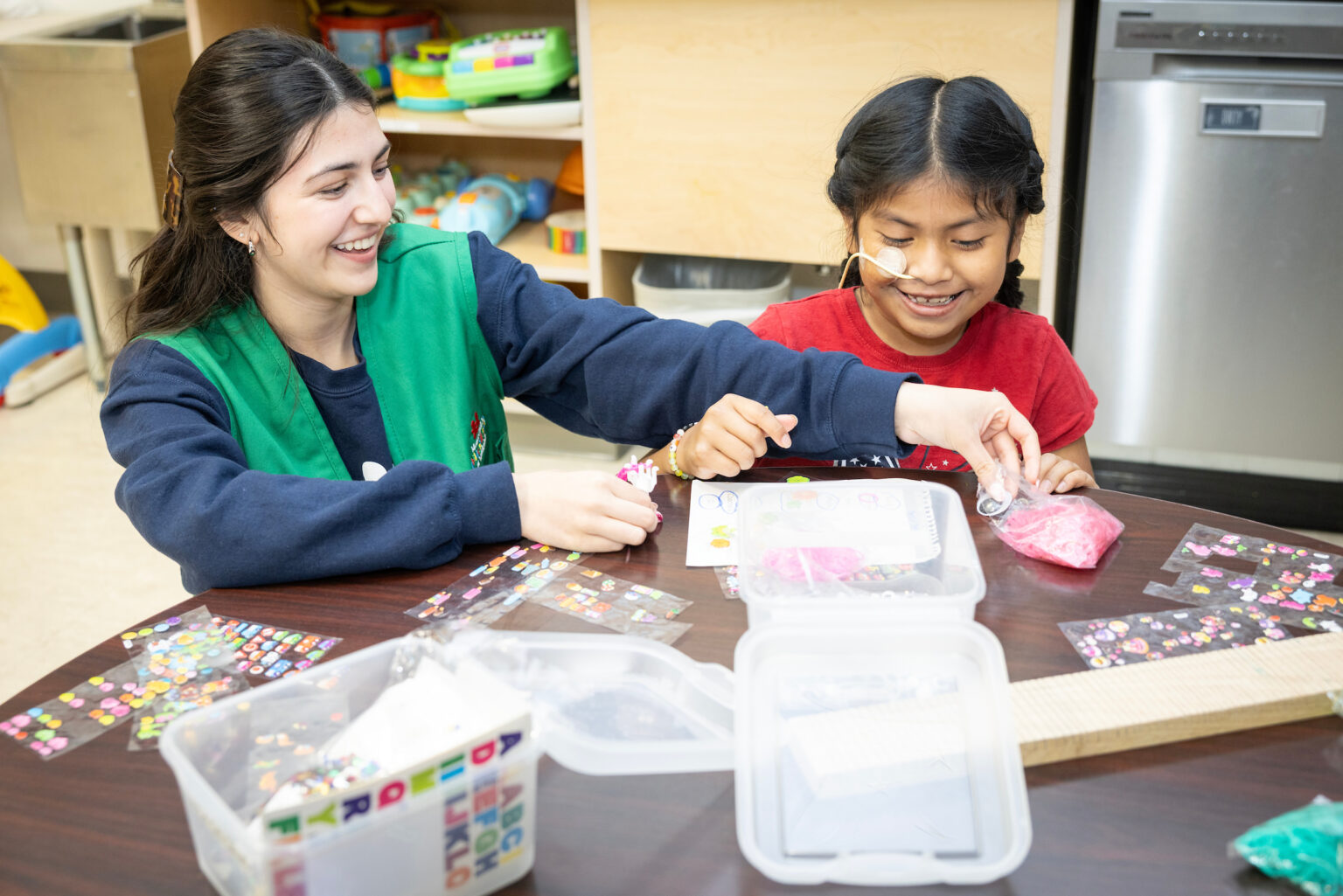
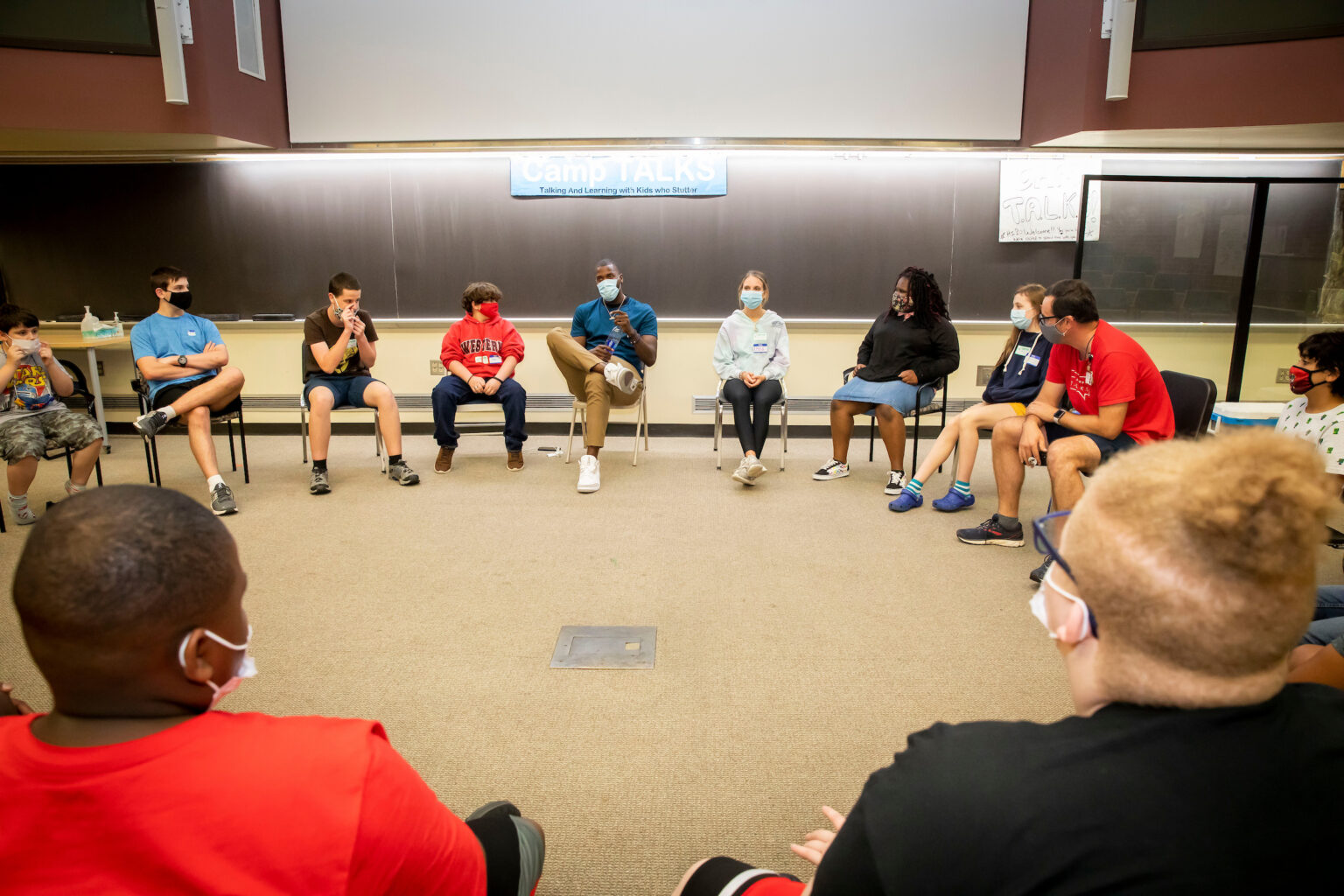
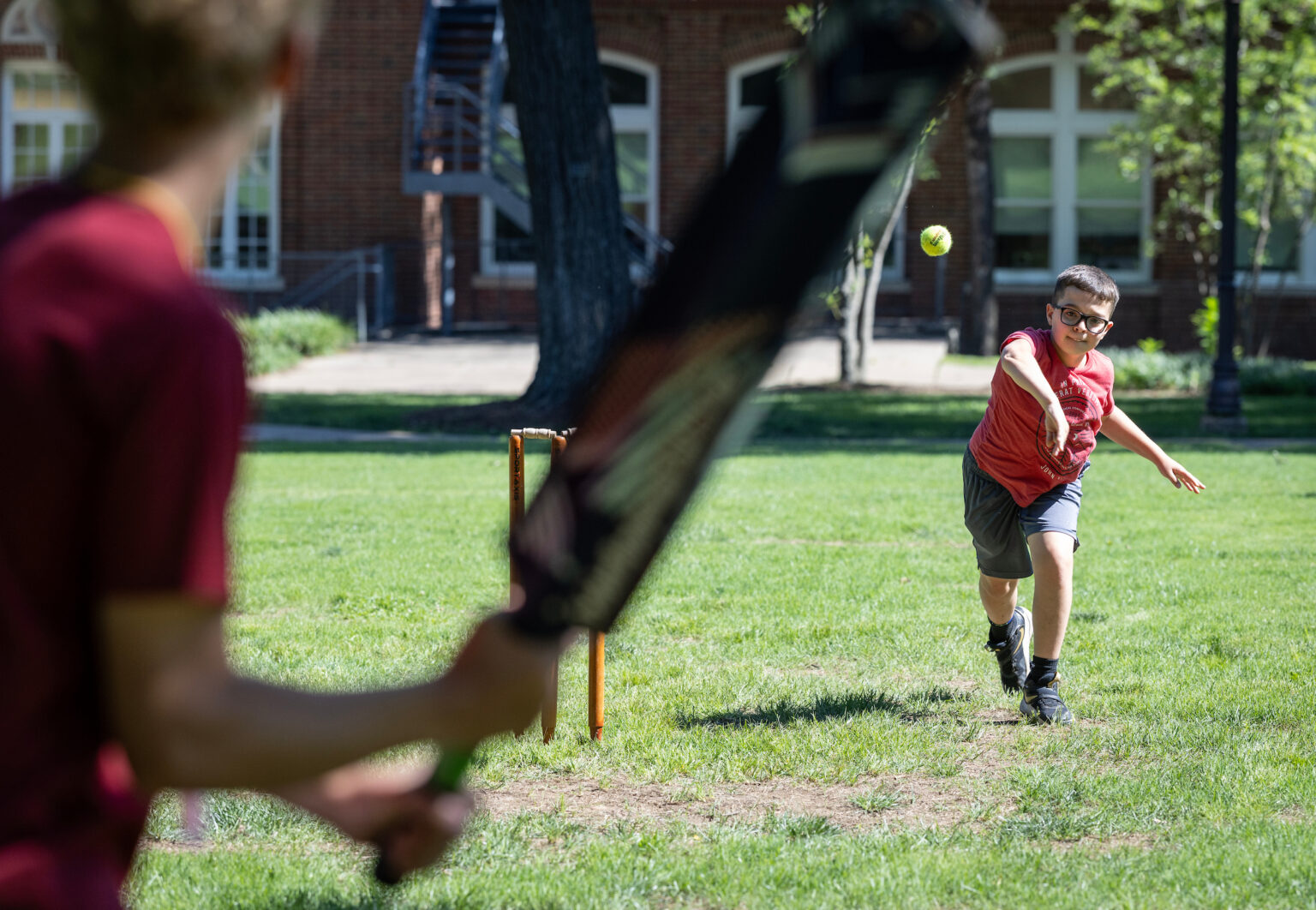
Summer camp allows for extended, informal interaction over meals, activities and unstructured time where staff can truly get to know children as individuals, not just patients. It also gives kids the opportunity to live fully with their condition in a supportive environment, showing them that they can still run, play and participate in all the things they enjoy. Camp creates a richer, more meaningful connection and reinforces that care is about supporting the whole child, not just managing symptoms with brief interactions in clinic.
What role does interacting with peers have in the summer programs?
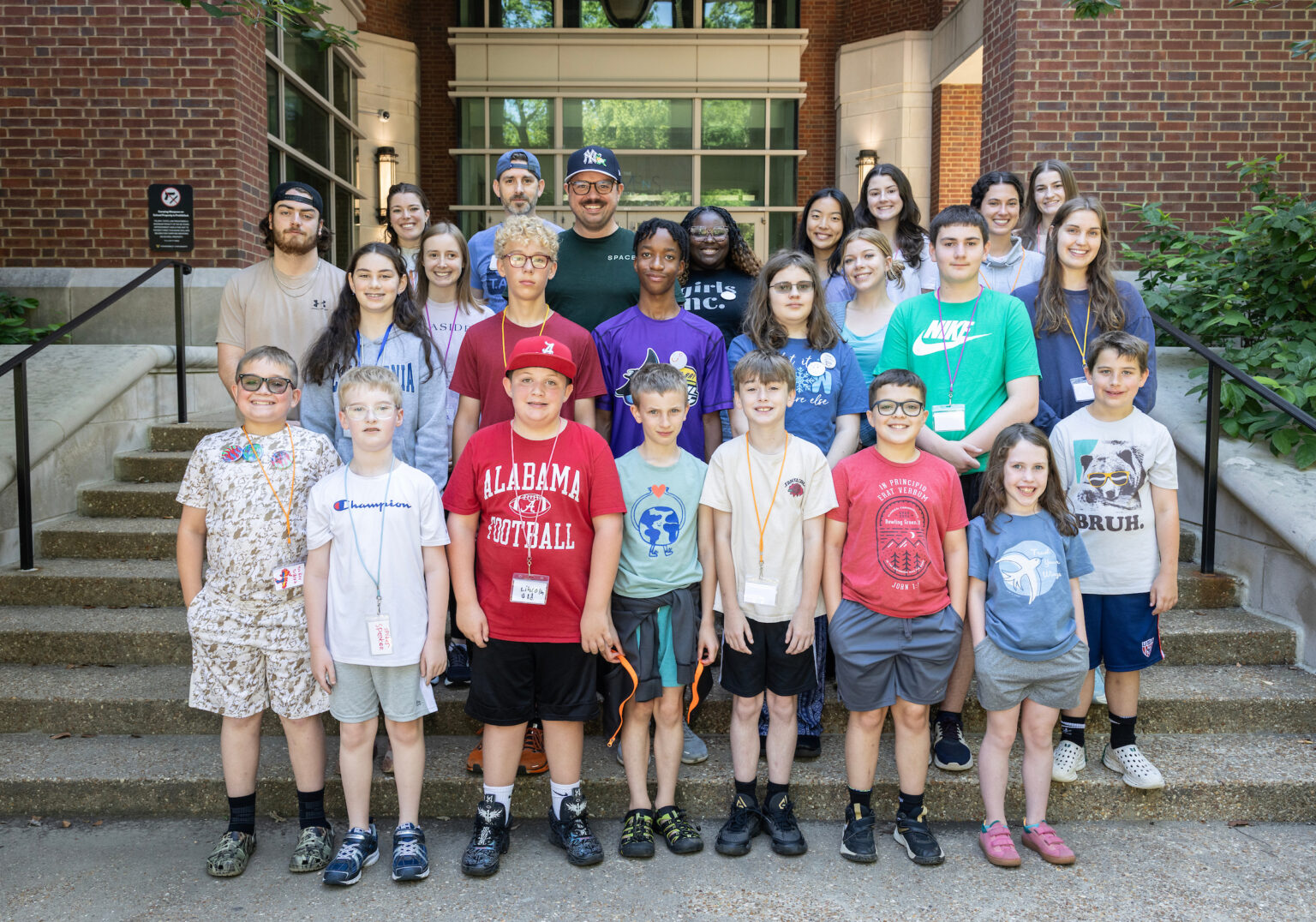
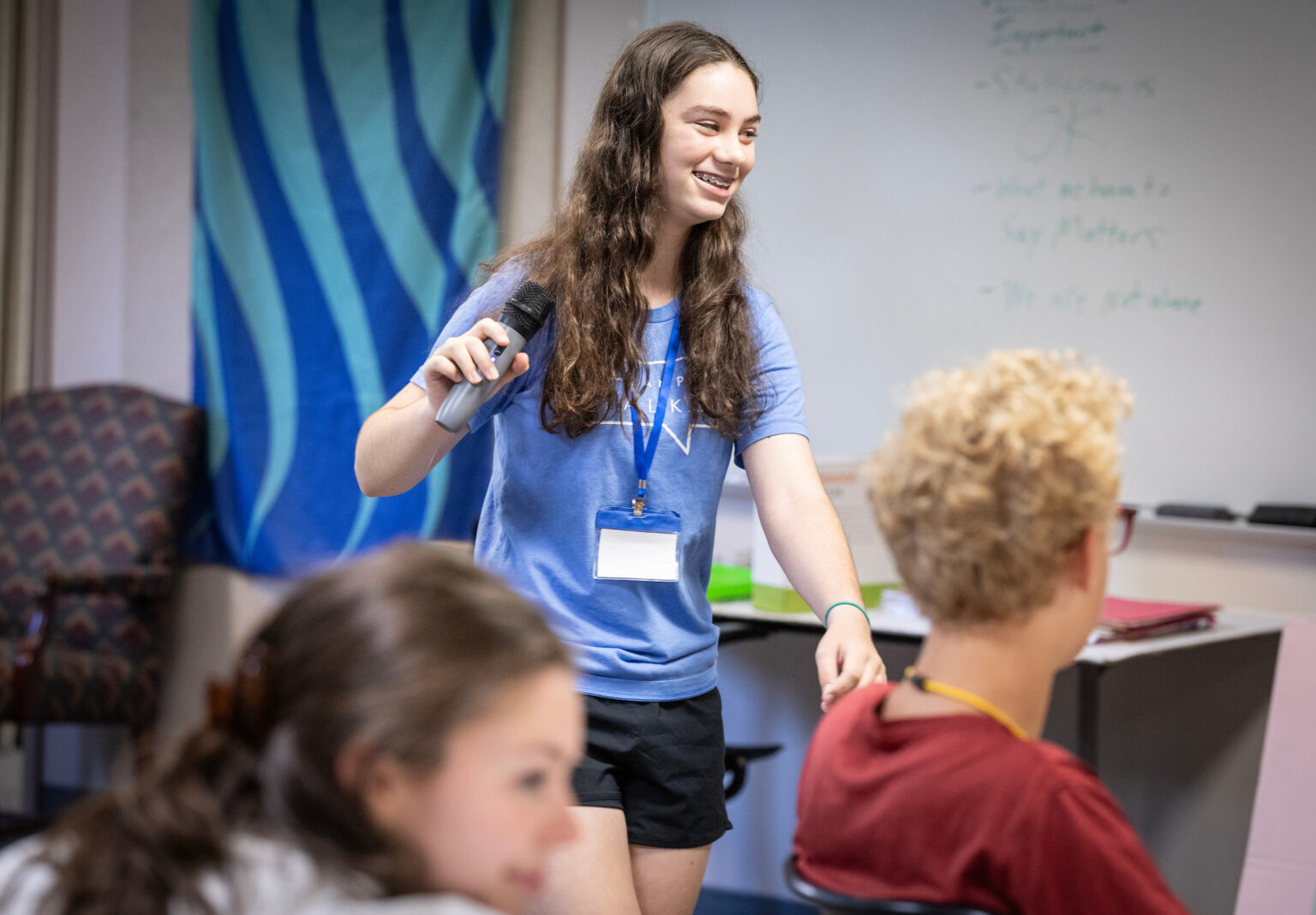
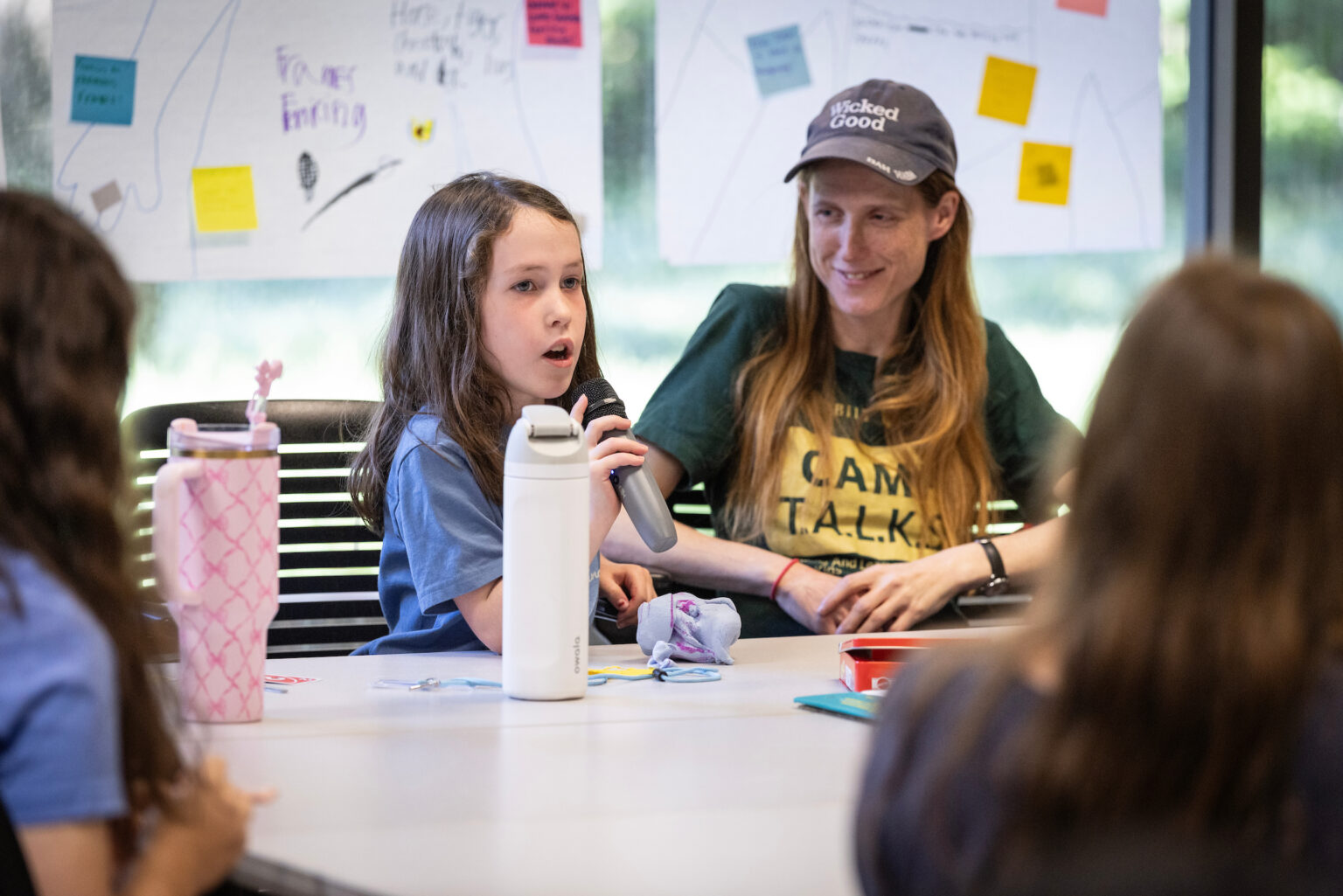
Peer connection is incredibly powerful, sometimes even more impactful than clinical teaching. When kids meet others who share similar challenges, whether it’s diabetes, asthma or another condition, it creates a sense of belonging. They see how others cope, learn new strategies and build confidence. This kind of connection helps normalize their experiences and reduces feelings of isolation.
It’s similar to what happens in traditional camps but is even more meaningful when there’s a shared health journey. These relationships often extend beyond camp, giving kids something to look forward to year after year. That sense of community supports both emotional well-being and resilience, which are essential parts of overall health.
Burn injuries and visible differences carry a psychological weight that extends well beyond physical recovery. Why is it important for Monroe Carell to offer a chance at relief from the psychological weight, and how does it inform how you care for those kids the rest of the year?
Camp gives us an opportunity to really get to know a child in a more meaningful way. For kids with visible differences, such as burn injuries, it’s all of the same benefits we’ve talked about, but amplified. When children recognize they’re not alone and meet others who have been through similar experiences, that connection can be incredibly valuable. Sometimes they meet peers who are further along in healing and recovery, which gives them hope and something to look forward to. Those experiences help us better understand what it’s really like to live with a diagnosis and allow us to be a stronger support system for children throughout the year.
What would be lost if specialized camps didn’t exist?
Without these camps, many children simply wouldn’t have the opportunity to participate in those experiences. Families often worry about whether their child’s condition can be safely managed without adults around, and that anxiety can inhibit participation.
These programs remove that barrier, offering safe, supportive environments where kids can thrive. Beyond the activities themselves, camps provide friendship, confidence and independence. They give families much-needed structure and support, especially during the summer months. Monroe Carell is able to offer something deeply valuable to families: We can give them peace of mind and a break while knowing their child is safe and supported.
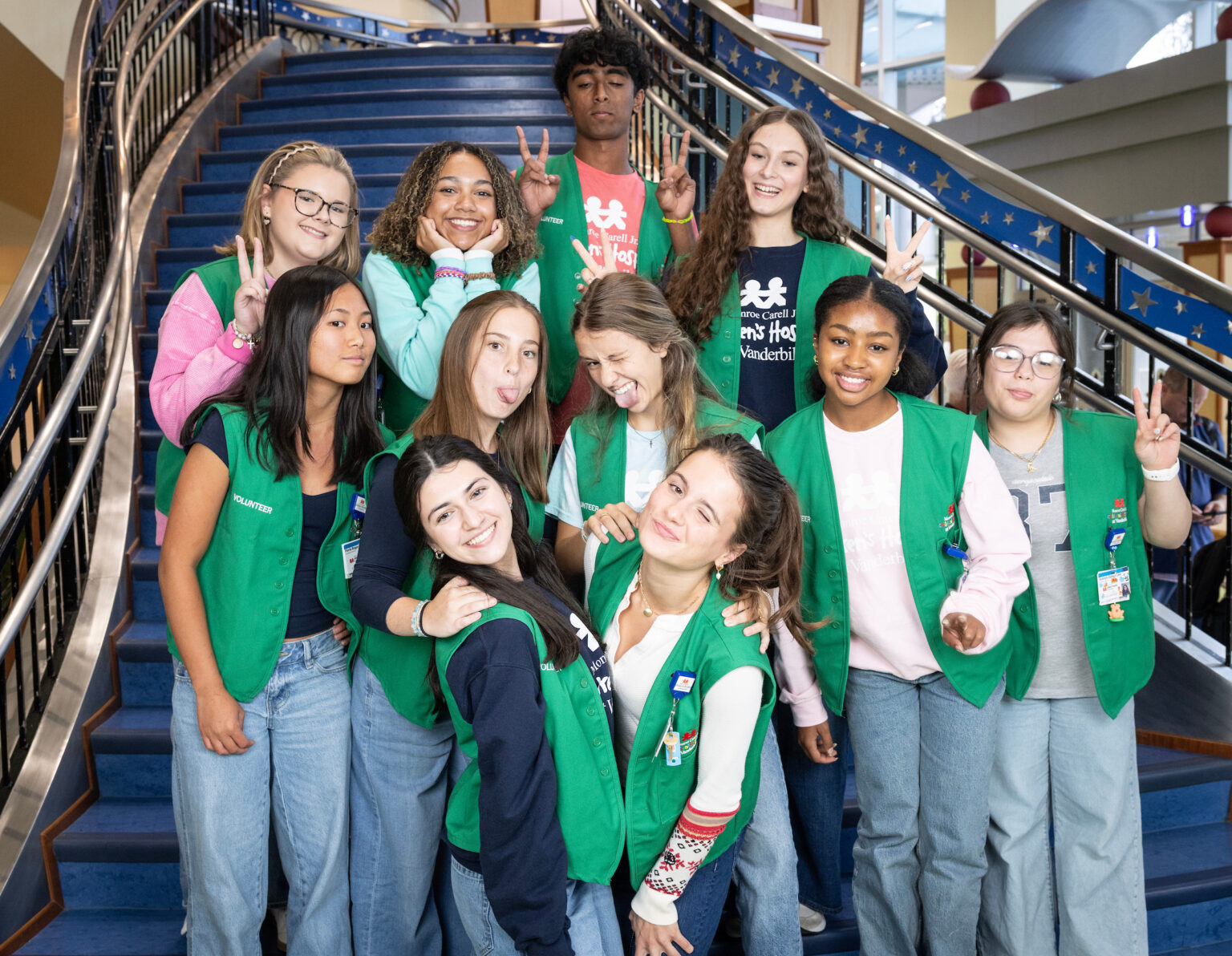
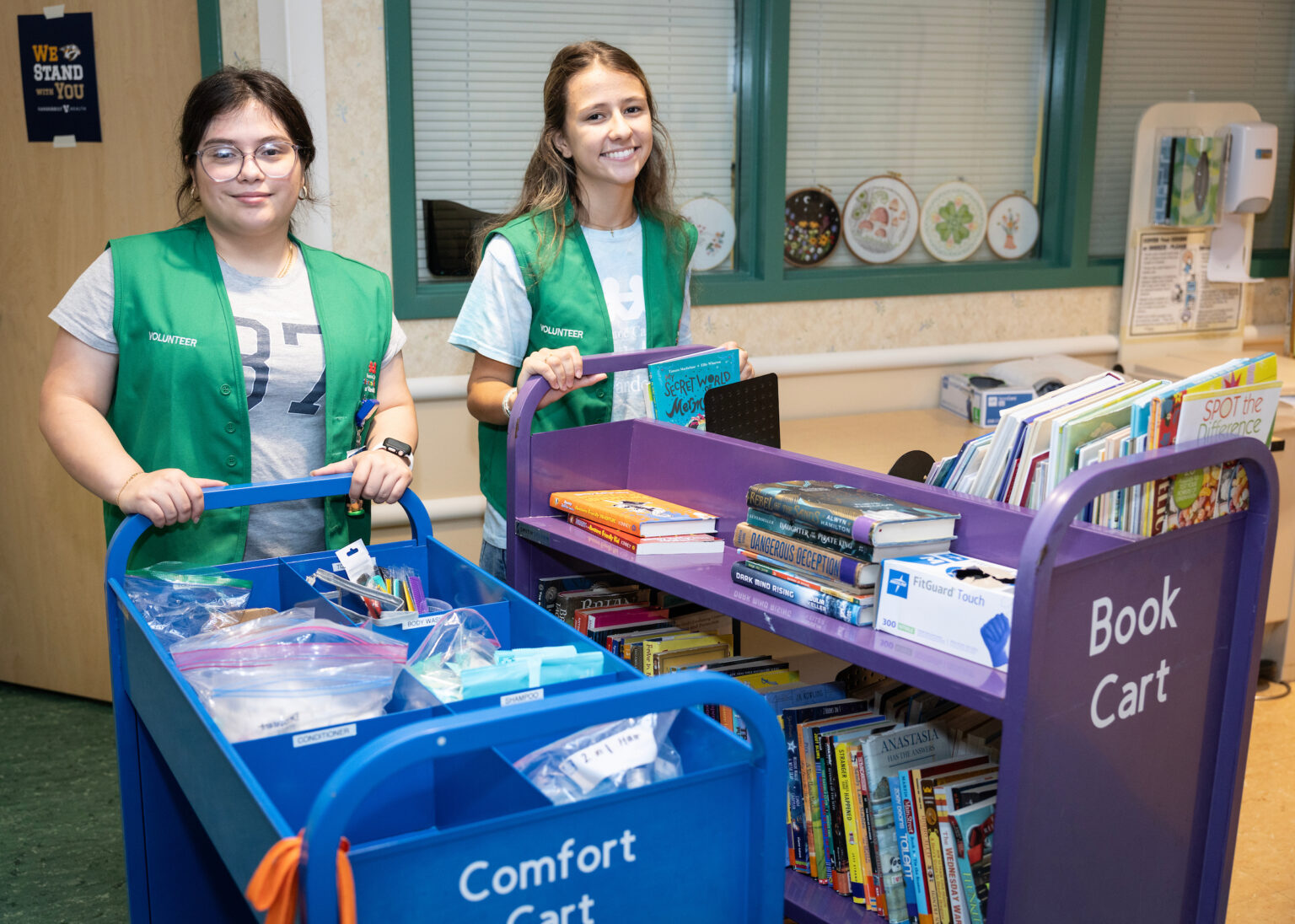
Let’s talk about the volunteer and mentorship programs for teens — like STRIVE, Aspirnaut and VolunTeens — and why learning opportunities are vital.
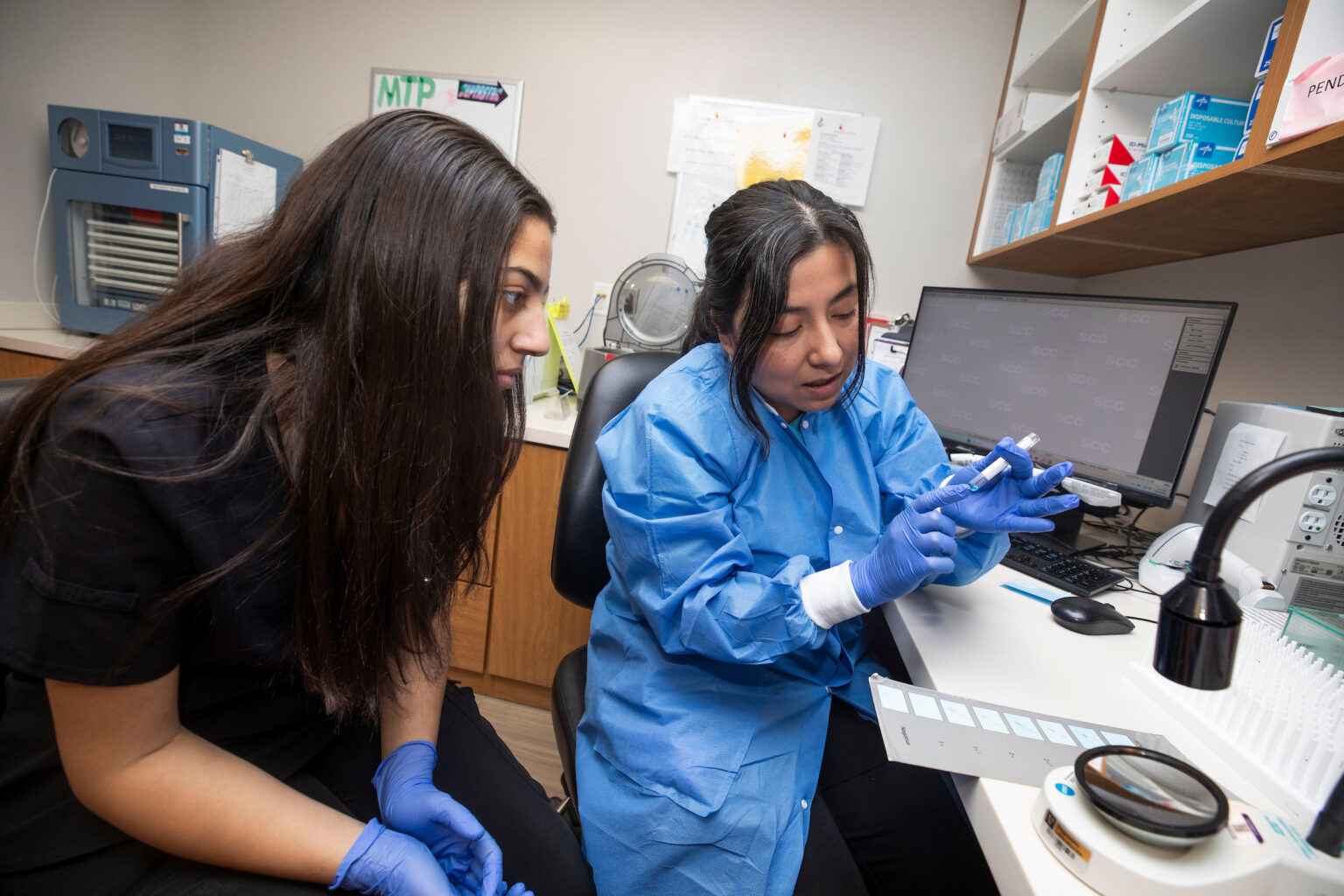
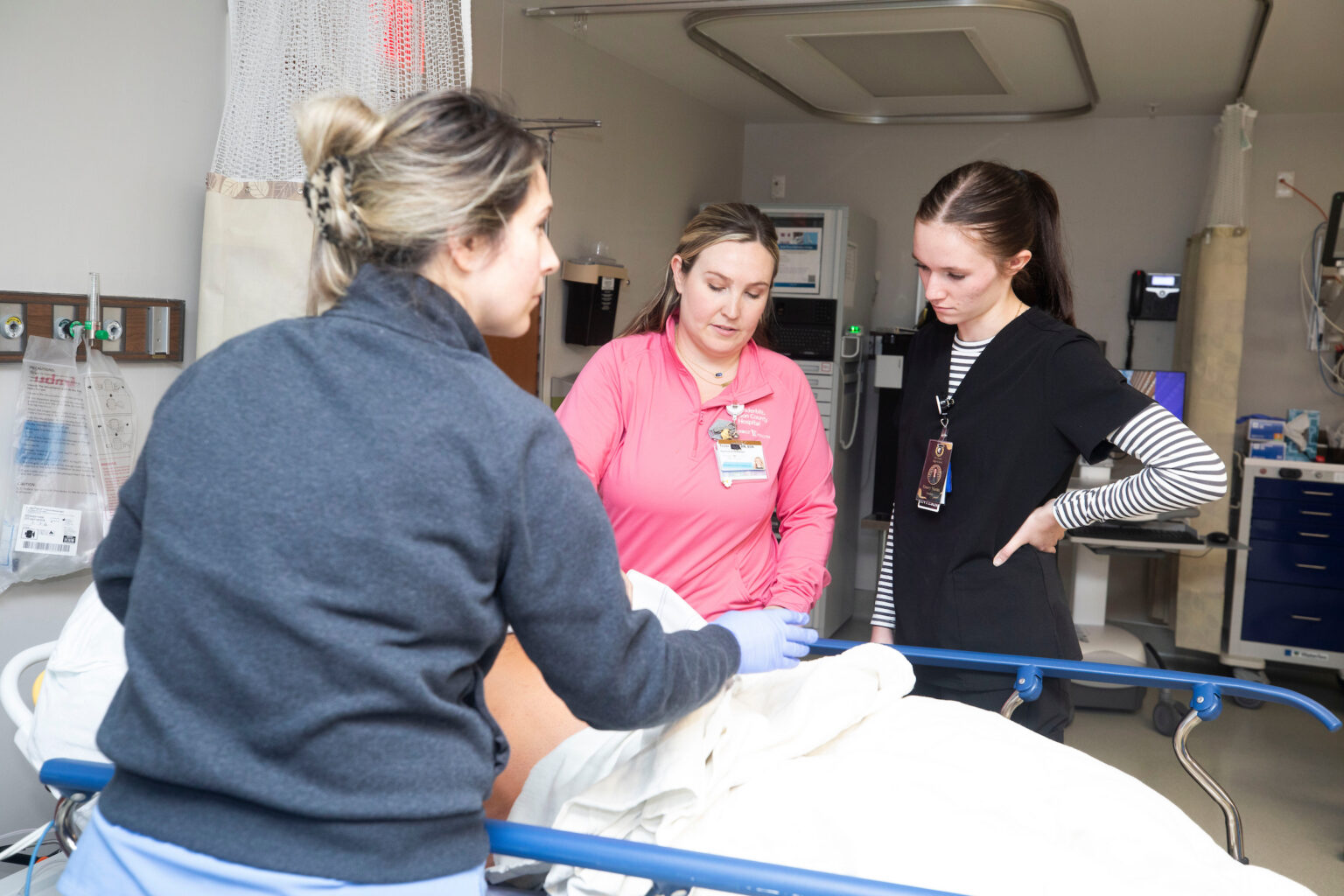
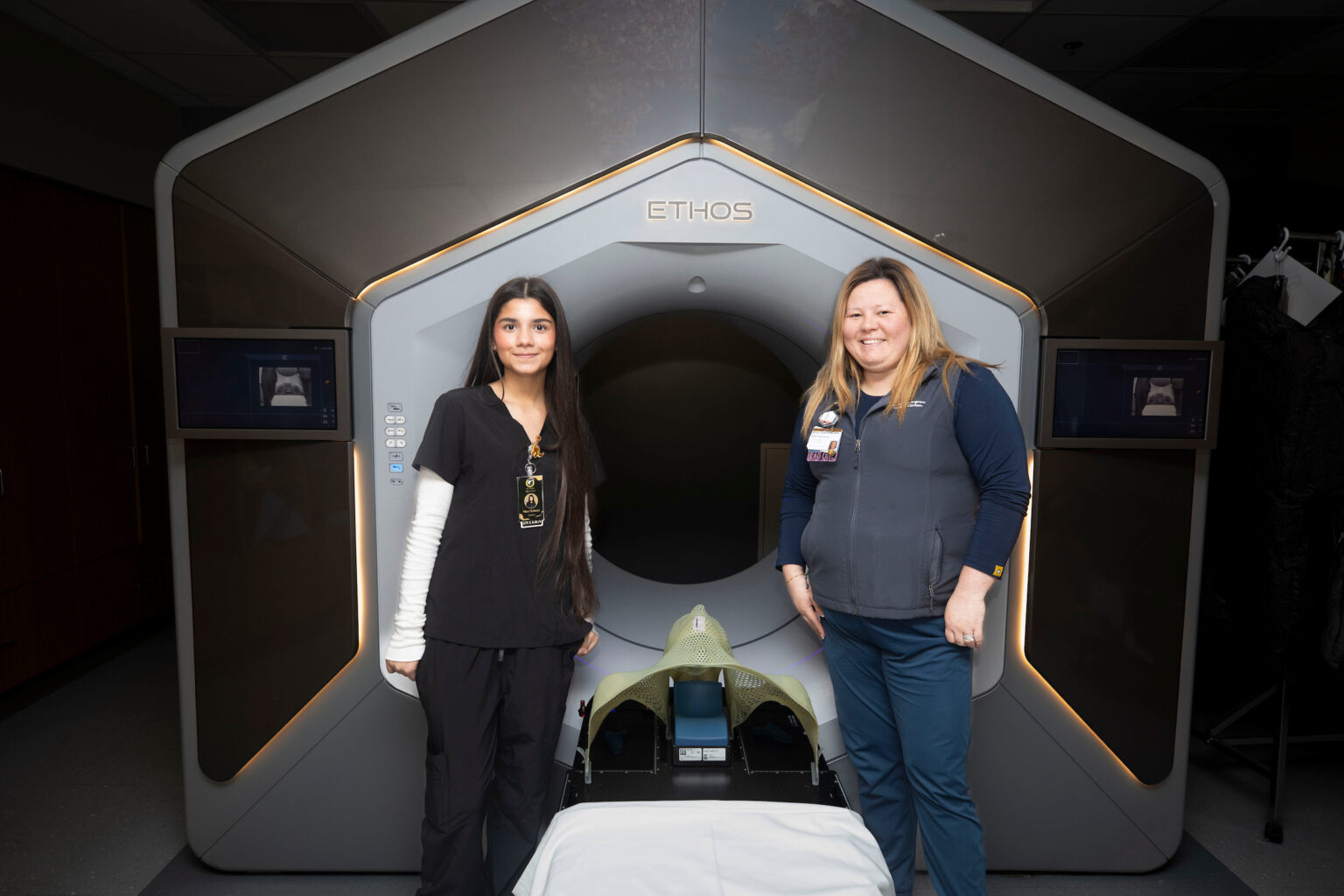
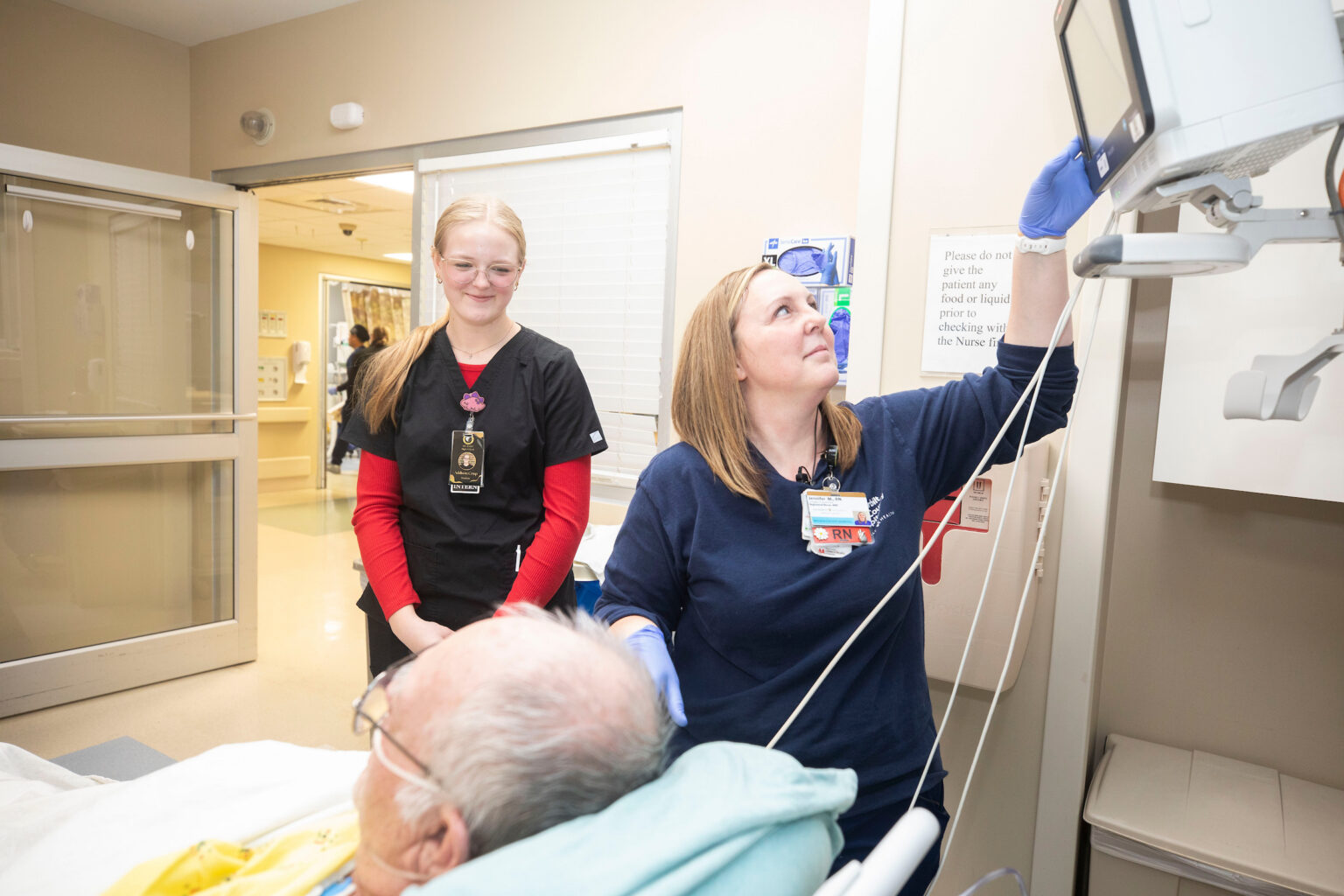
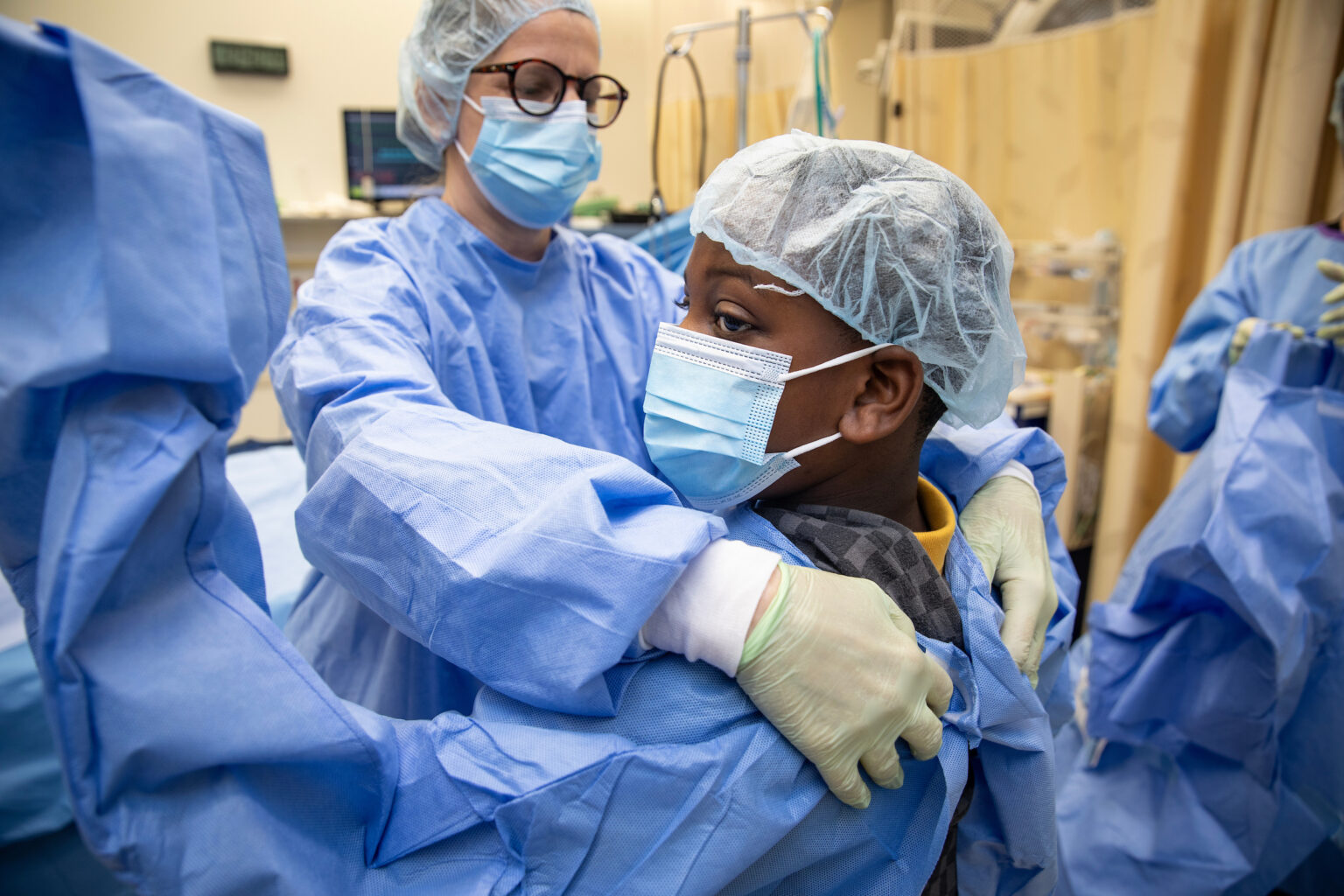
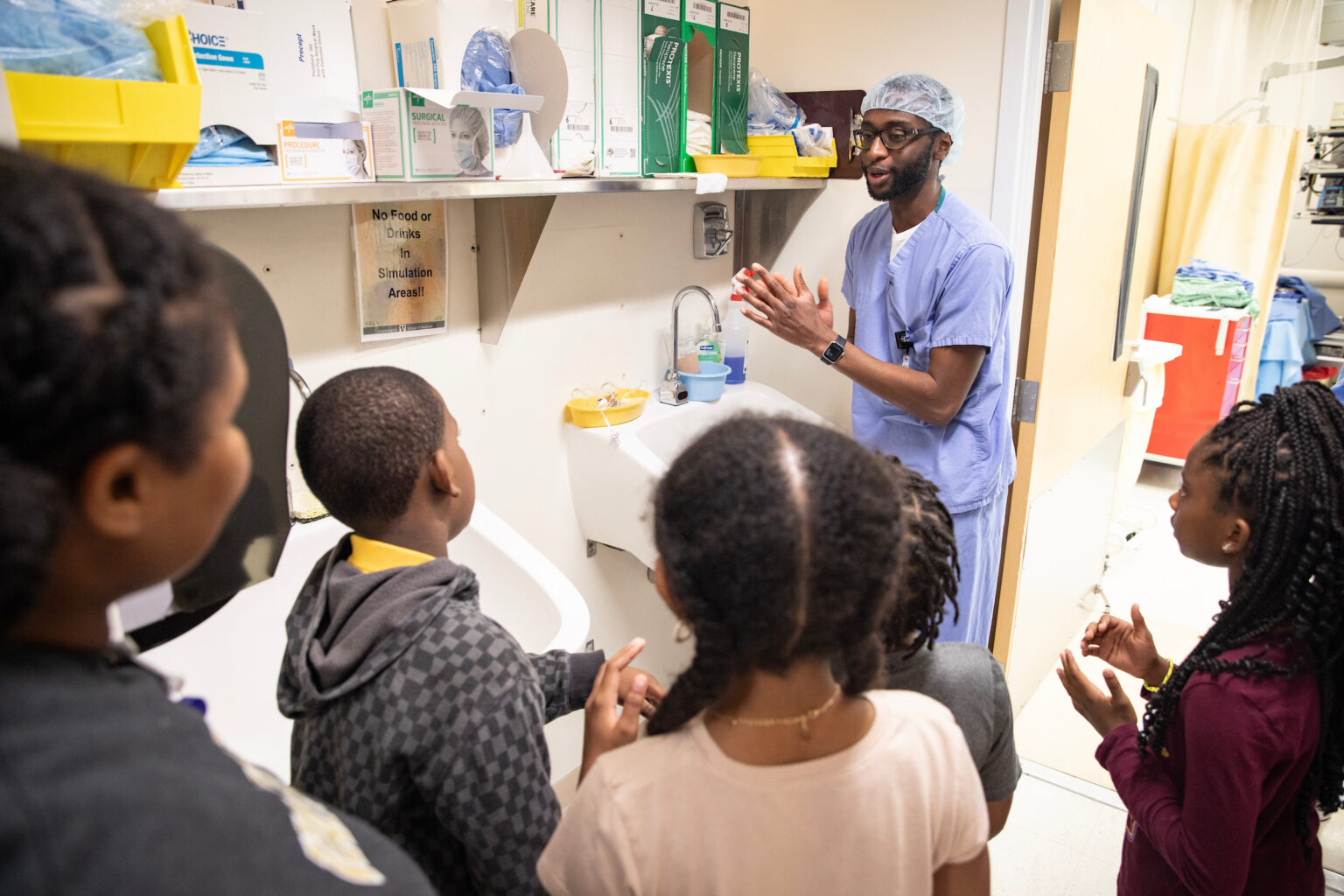
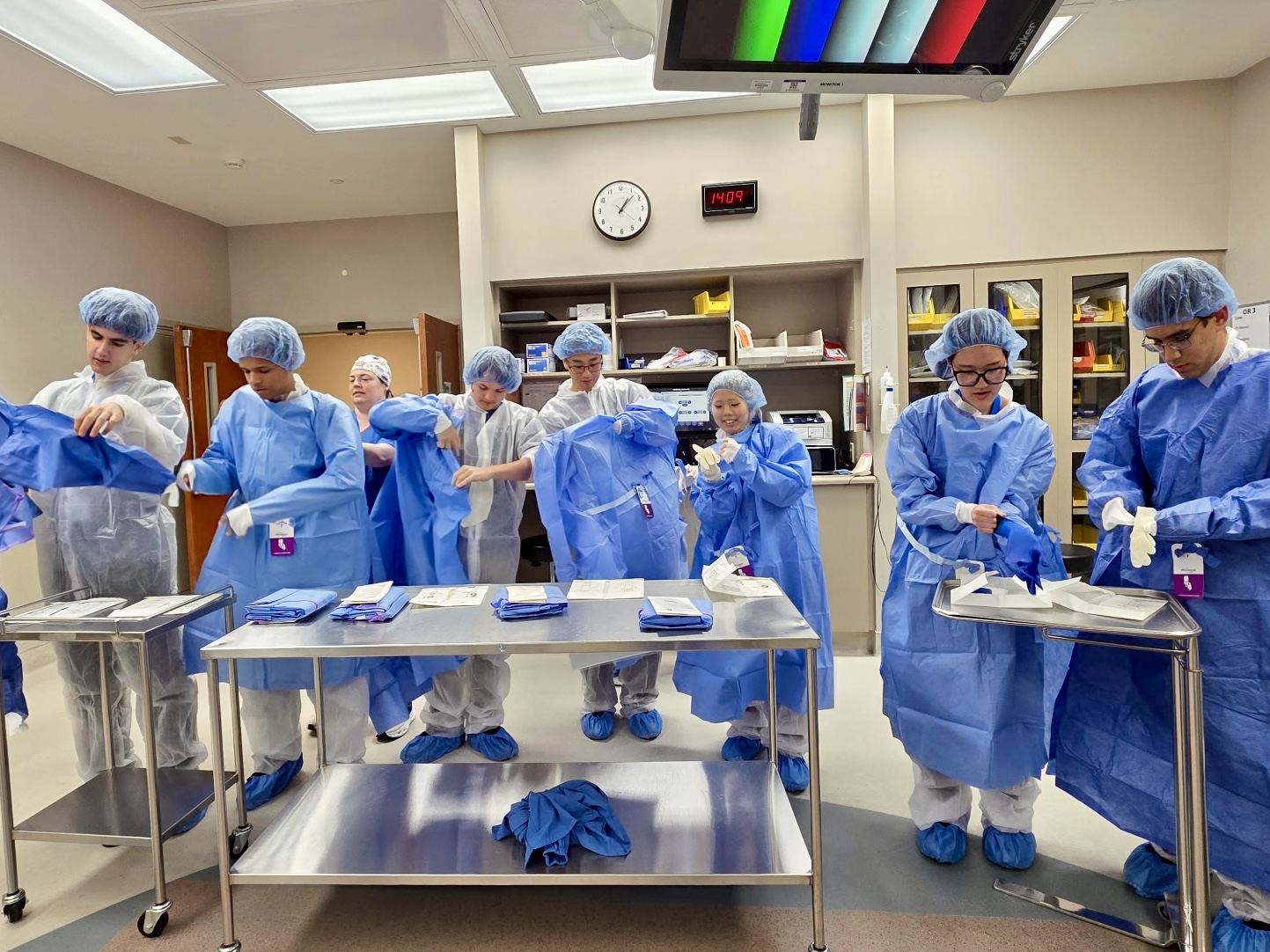
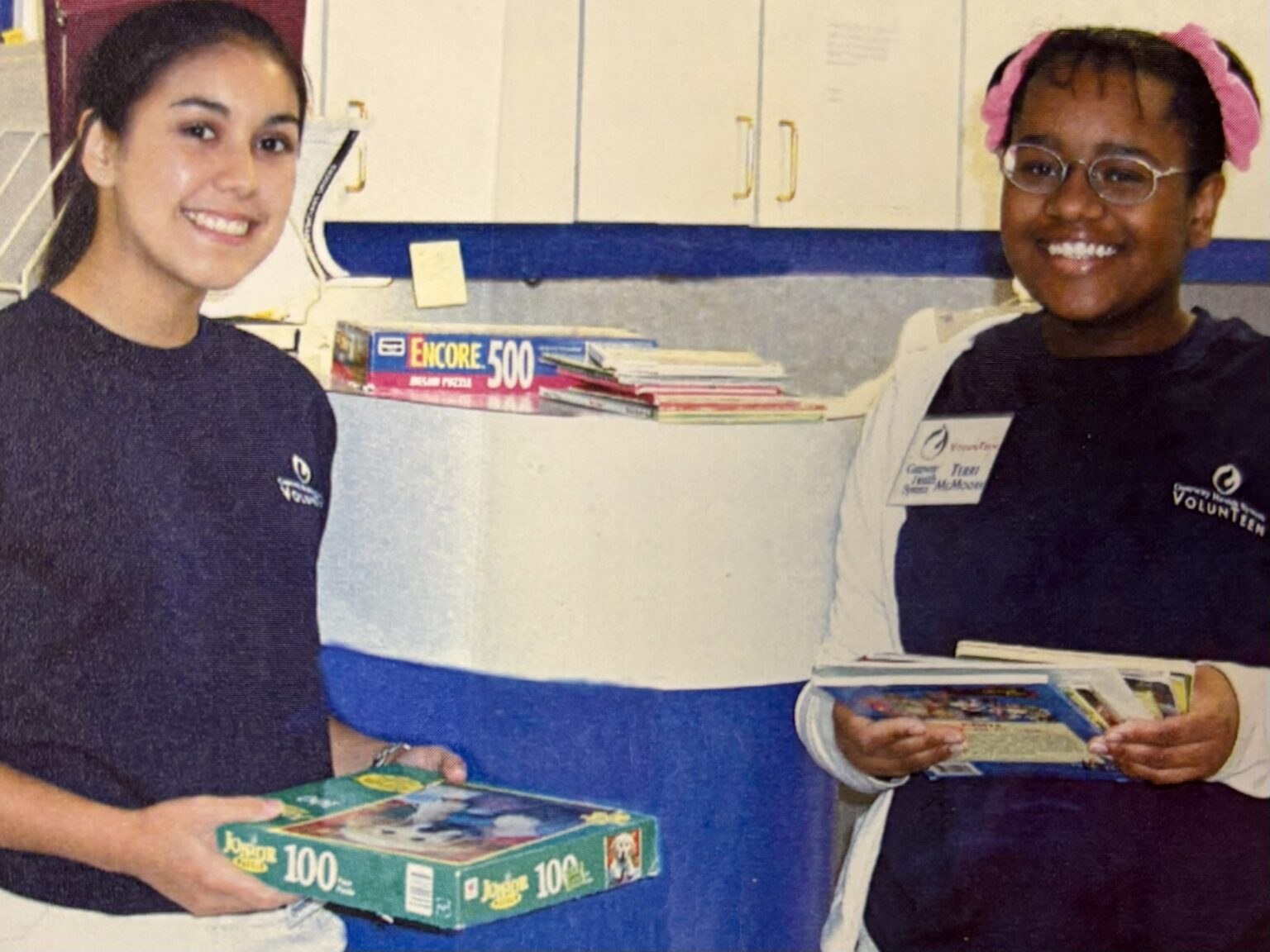
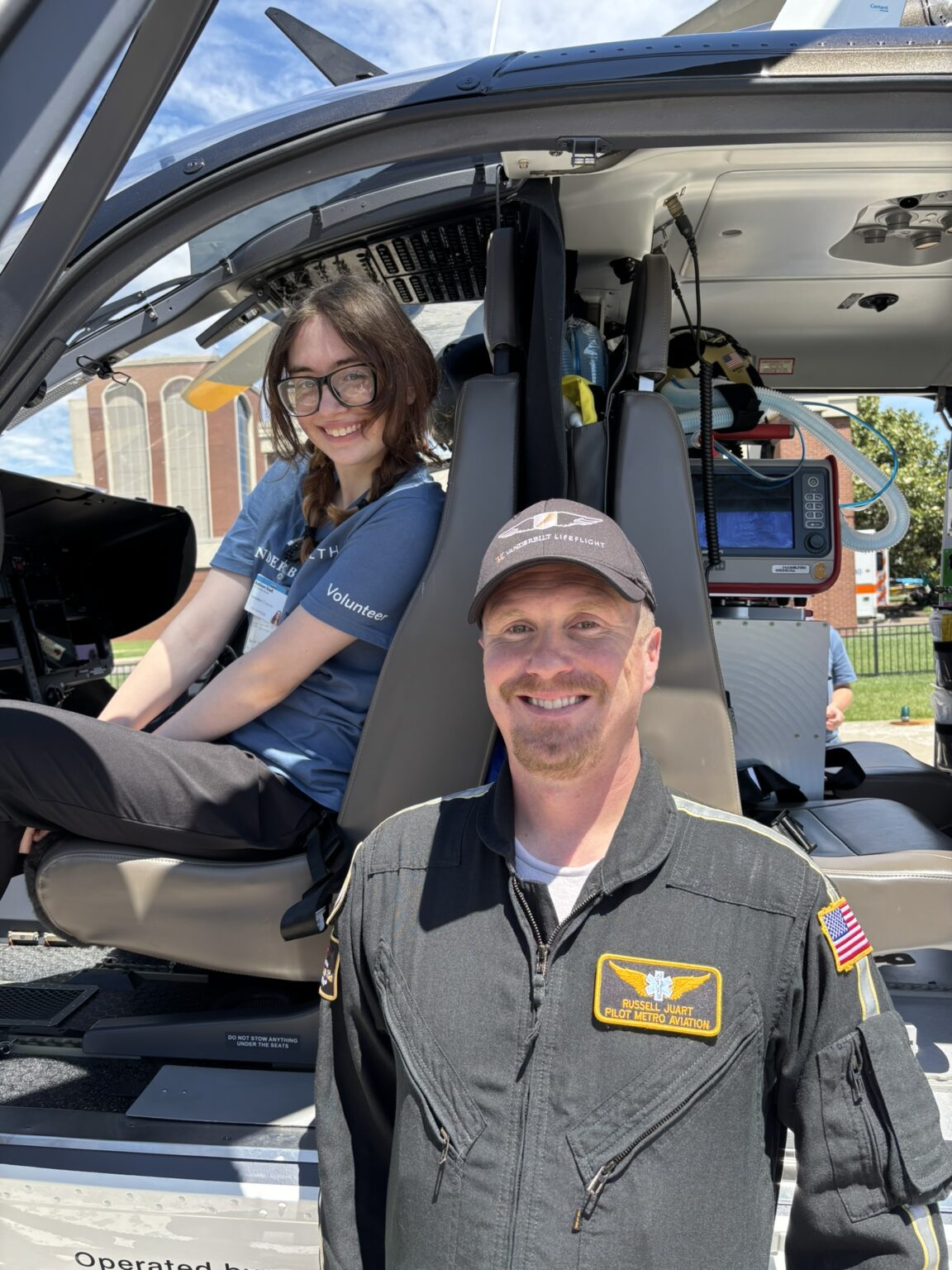
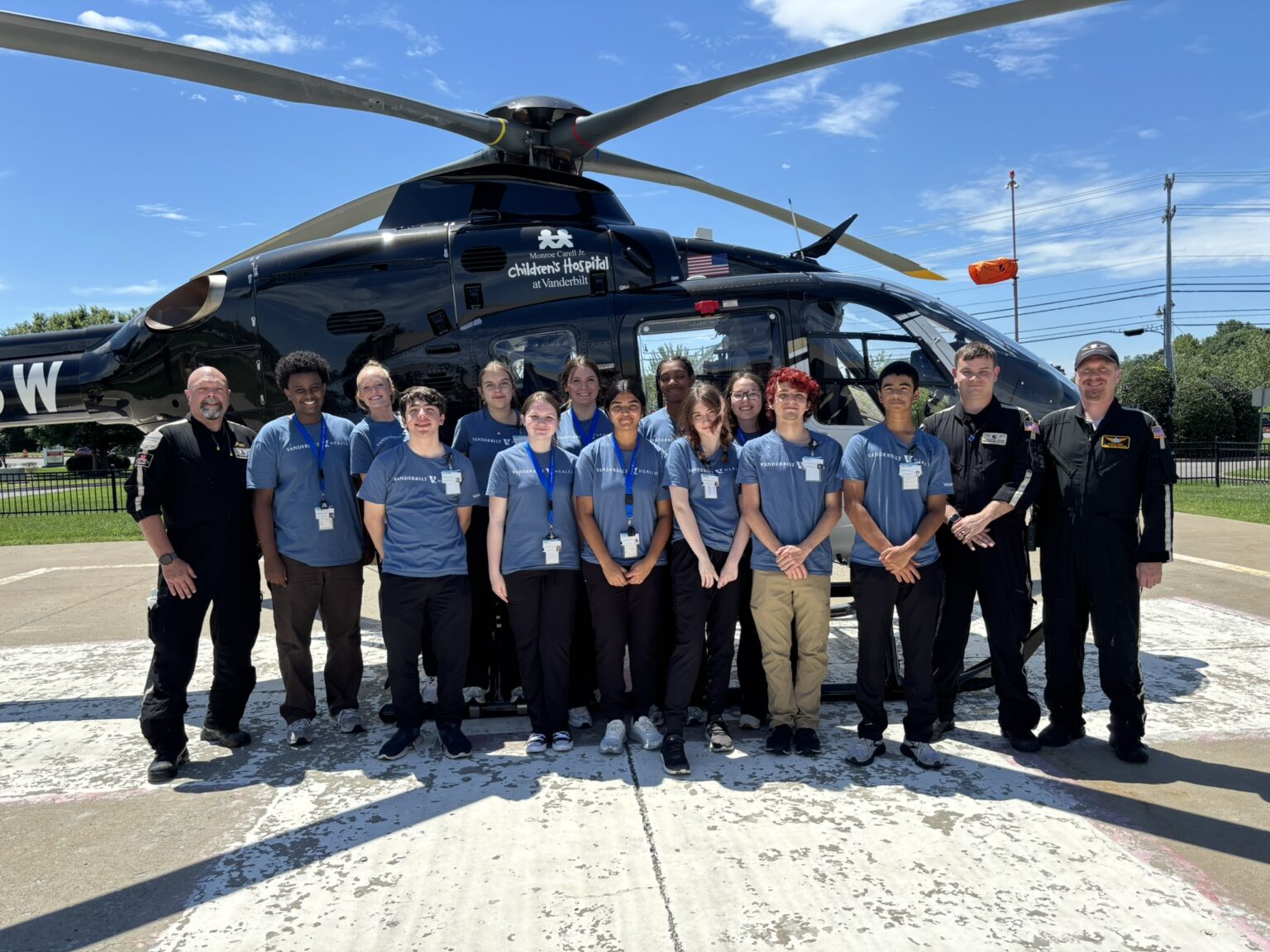
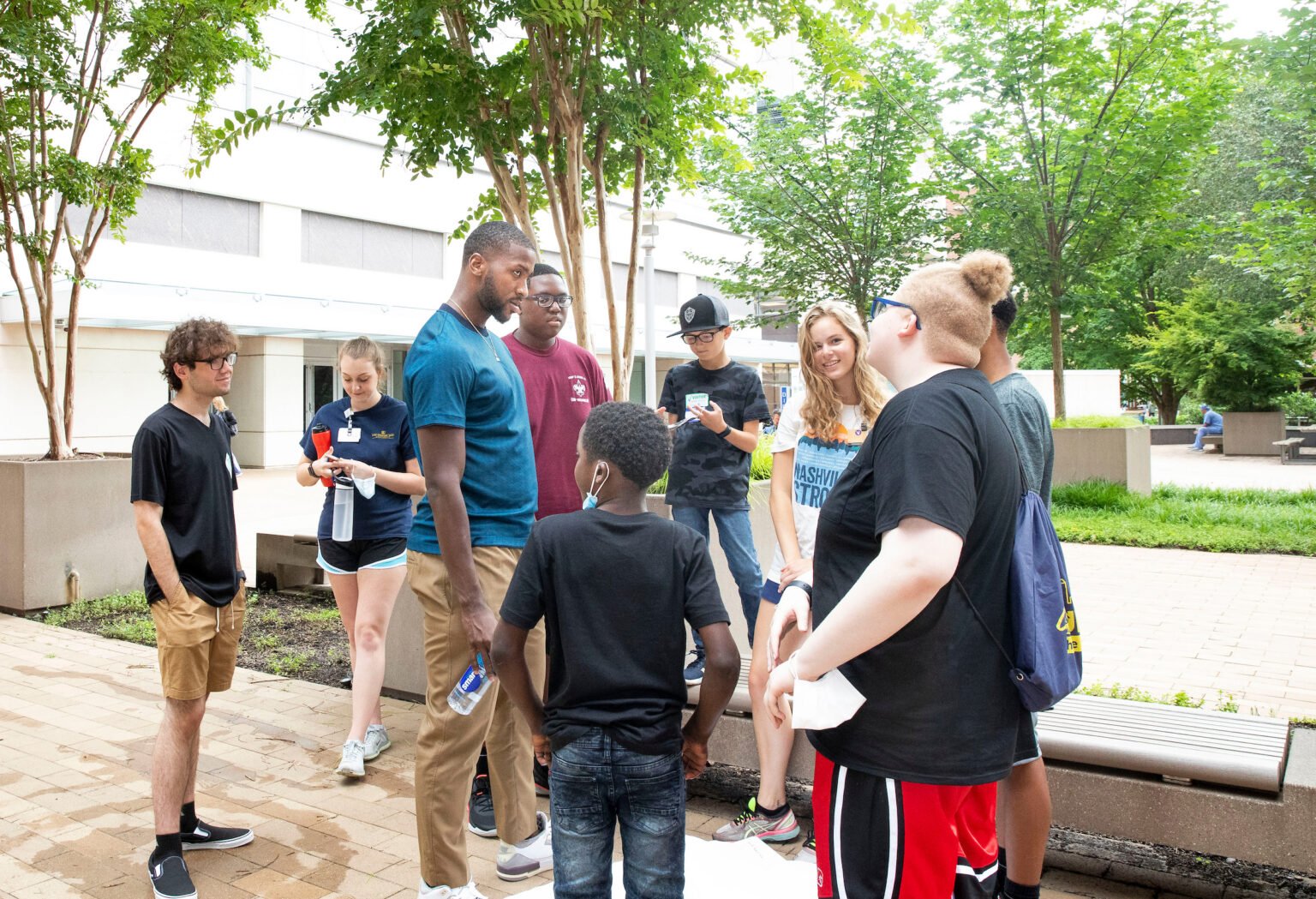
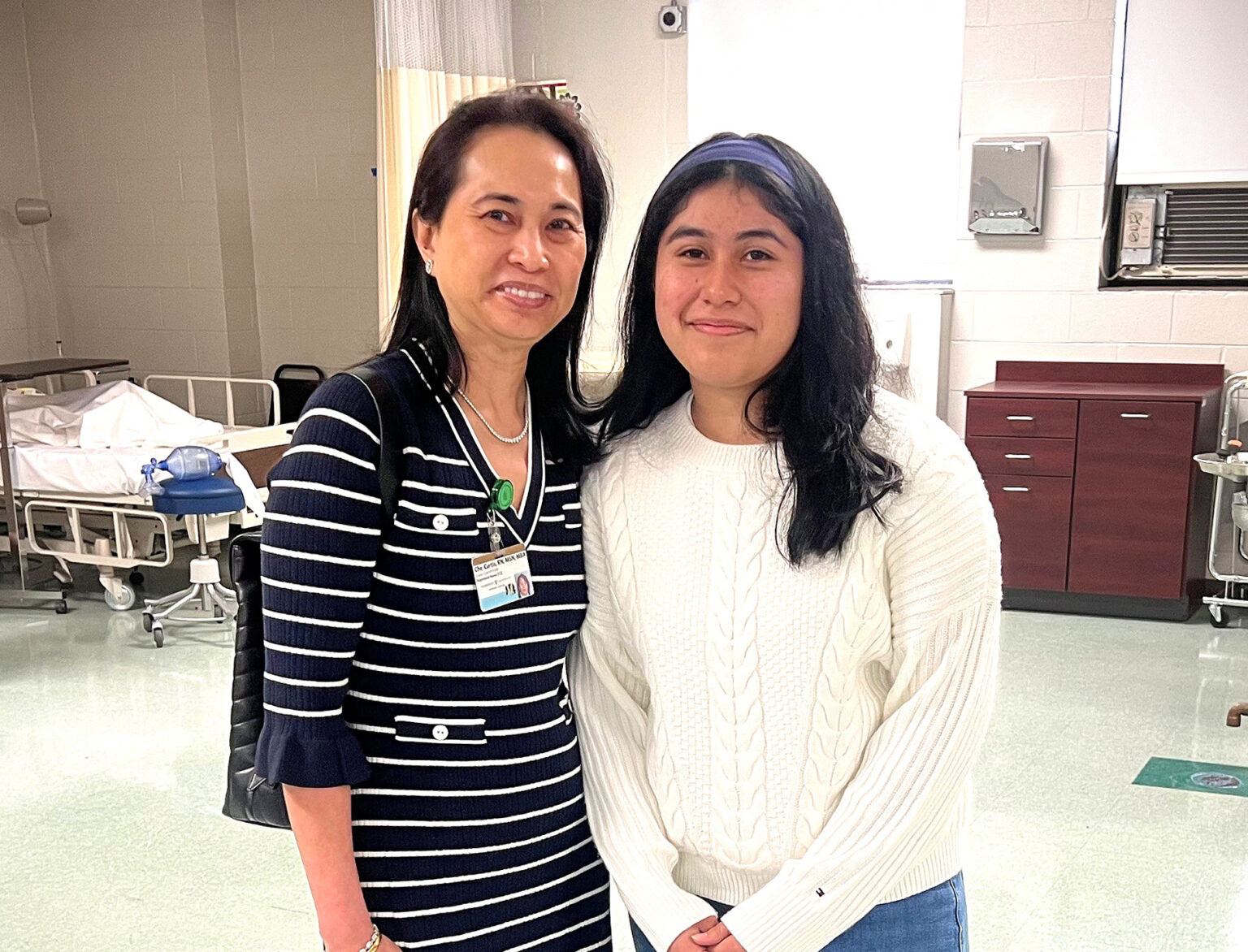
Programs like STRIVE and others are invaluable for both participants and the organization. For students, it’s an opportunity to see firsthand what working in health care looks like, from interacting with patients to learning about different roles such as nursing, social work and child life. It’s inspiring but also grounding, showing both the rewards and challenges of the field.
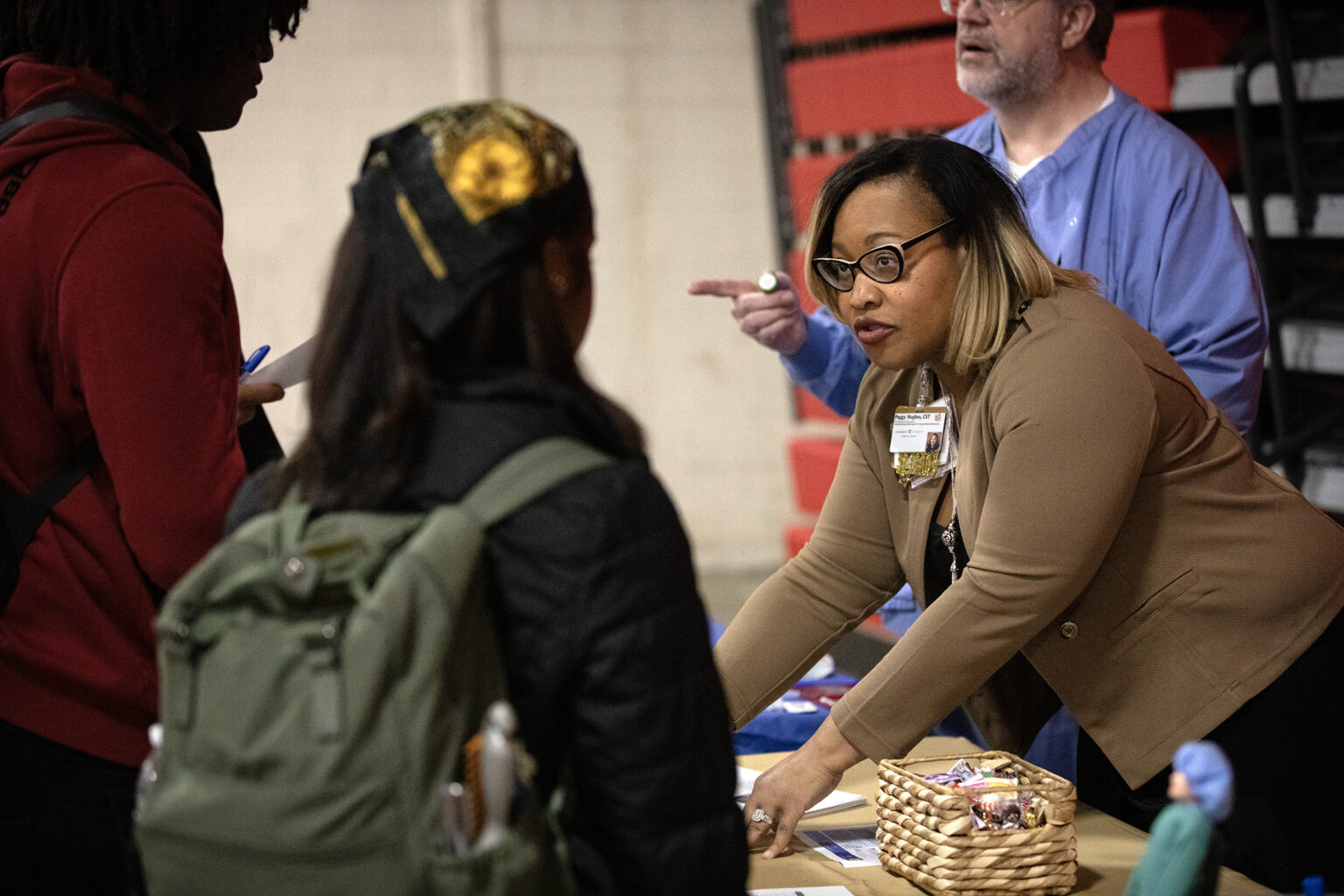
For Vanderbilt Health, we’re encouraging future growth of the health care workforce. Many participants go on to pursue health care careers and even return to work here. It’s an opportunity for current staff to mentor and give back, which is a meaningful part of working in an academic medical center. These programs strengthen our culture, support workforce development and ensure we continue providing high-quality care in the future.
What drives staff and faculty to go above and beyond their clinical roles to take part in summer programming?
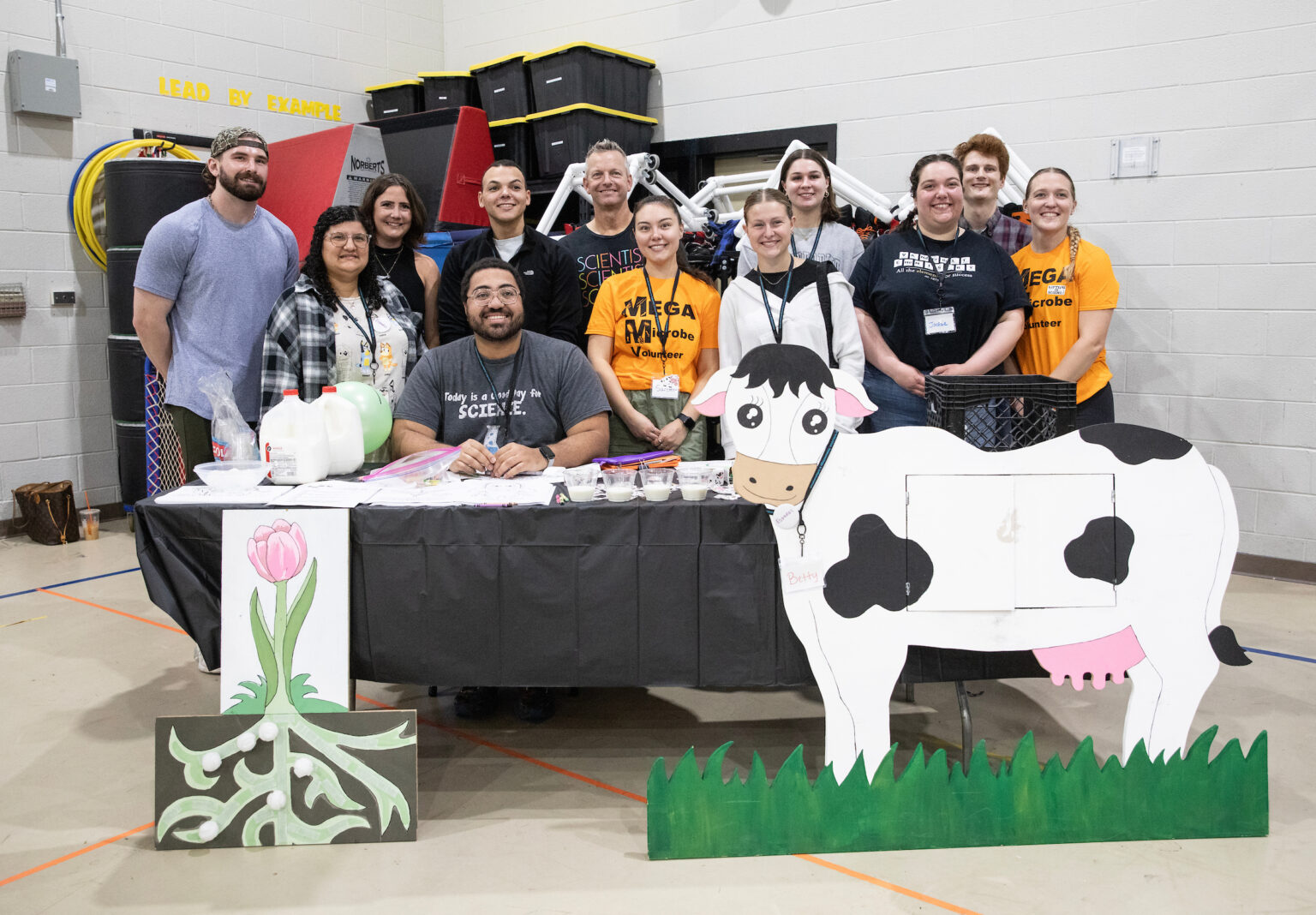
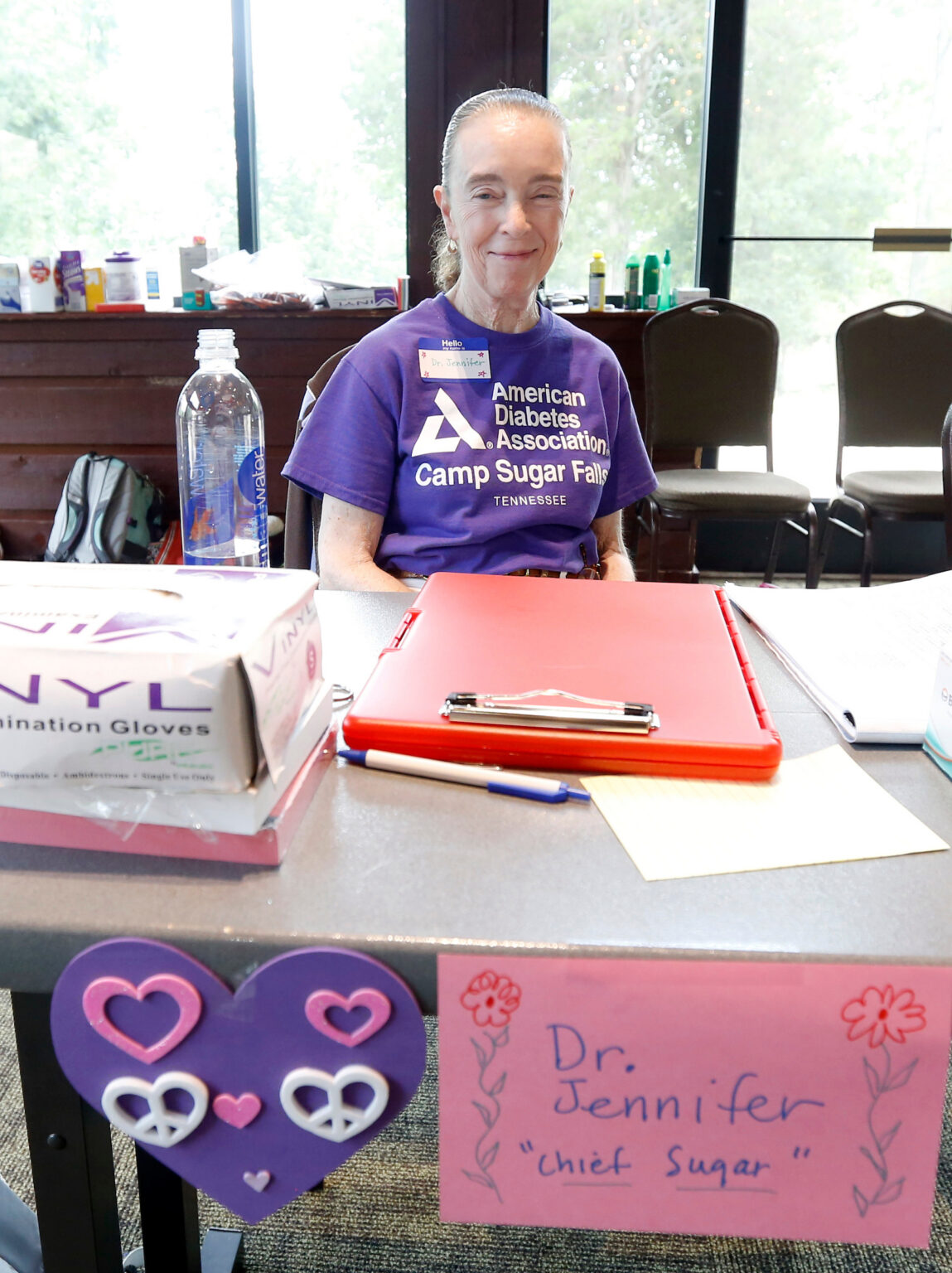
It really comes back to purpose. Programs like diabetes camp allow staff to see kids in a completely different environment — running, playing and connecting — not just as patients. That experience is incredibly meaningful. For staff, it’s a reminder of why they chose this work in the first place. Many staff members volunteer their time outside of already demanding schedules because they care deeply about children and families. Even though it requires extra time and energy outside of their regular roles, it’s truly a labor of love. The emotional reward and impact on kids’ lives are what drive that commitment. Supporting children goes far beyond clinical care, and it requires a community of people who are willing to give their time and energy to make a difference.

