


Leigh MacMillan Archive — Page 79 of 85




-
September 25, 2012
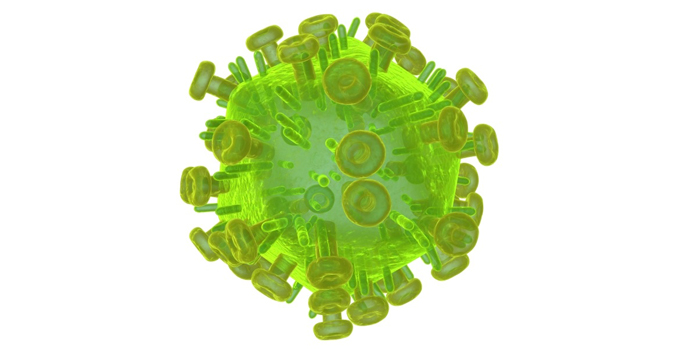
Cell entry ports for cold virus
The respiratory virus HMPV uses its fusion (F) protein – which interacts with cellular receptors called integrins – to bind to and enter target cells. -
September 19, 2012
How ‘Jedi’ disposes of dead neurons
The protein Syk is essential for clearing away neuron “corpses” in the developing peripheral nervous system. -
September 13, 2012
Cells with LIP eat their neighbors
A transcription factor called LIP is capable of causing one cell to consume another. -
September 6, 2012
New doctoral students welcomed
Vanderbilt University Medical Center welcomed 109 new doctoral students into the scientific community last week in the third annual “Simple Beginnings” ceremony. -
September 6, 2012
Neuronal subtypes in genetic disorder
Inhibitory neurons that connect and regulate signaling in the brain (interneurons) may contribute to epilepsy and autism in patients with tuberous sclerosis complex. -
August 30, 2012
Targeting new pathways to ease pain
The spinal cord’s neuropeptide Y signaling pathway may be a good target for new pain therapeutics.