



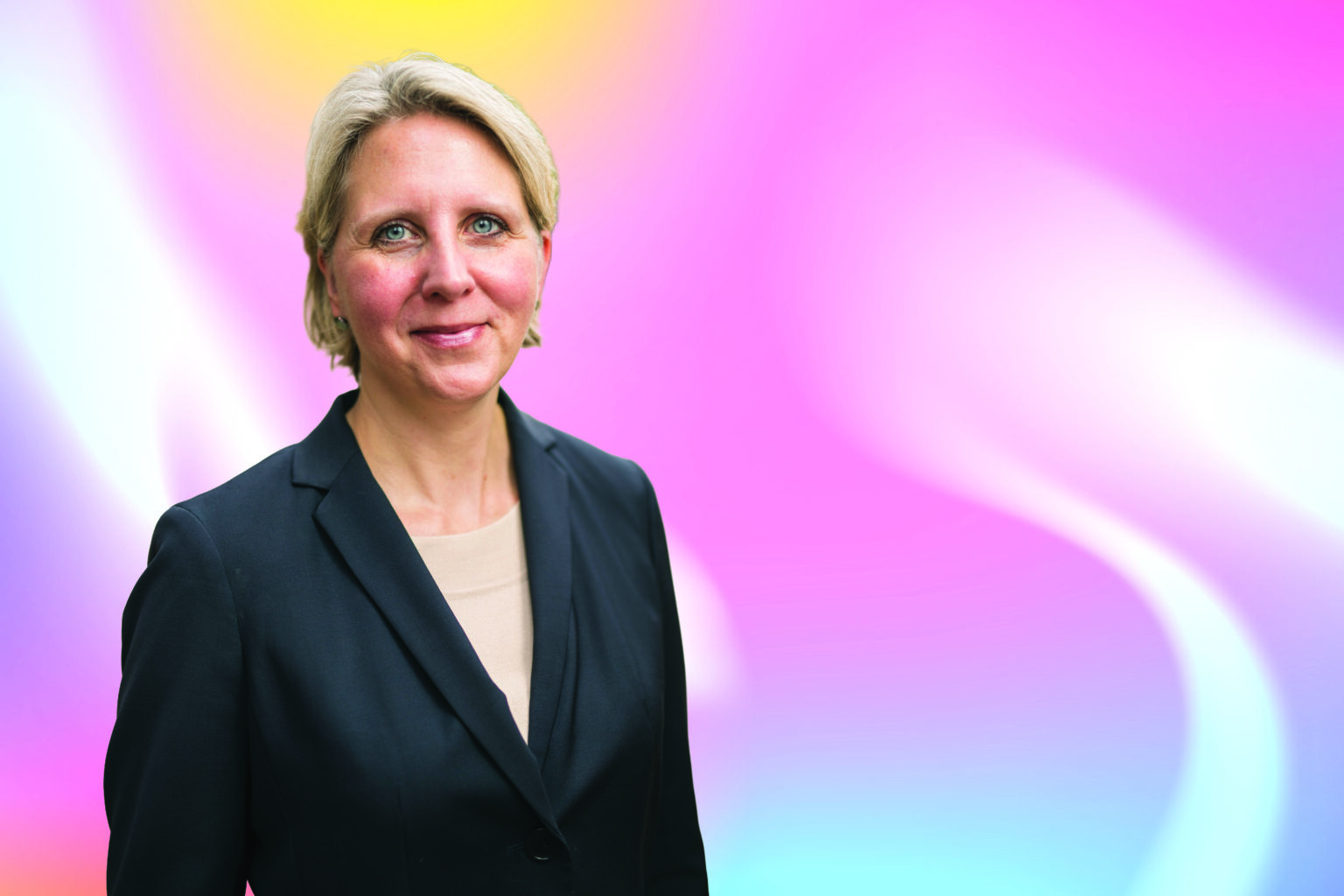

Hilary Tindle, MD, MPH, the William Anderson Spickard Jr., MD Professor of Medicine, is a physician who specializes in tobacco addiction and researches clinical approaches to quitting smoking.
Q: What resources are available for someone who wants to quit smoking?
A: First, tell your health care provider that you want to quit smoking and would like their help. In addition to your doctor, there are several resources. The newest is the tobacco treatment clinic at the Vanderbilt Lung Institute, which has dedicated tobacco treatment counselors who offer telehealth and in-person appointments. The Tennessee Tobacco QuitLine also offers free counseling and medication and can be accessed by calling 800-QUIT-NOW. Another great resource is Smokefree.gov, a website operated by the National Cancer Institute. Smokefree.gov has excellent information, tips and free tools such as texting and phone apps for iPhone or Android.
Q: How important is it to seek assistance and guidance?
A: Using counseling and proven medication to quit smoking is very important. About 25 million U.S. adults currently smoke cigarettes, and over half try to quit each year, but fewer than 1% use counseling and medication. That means 99% of people trying to quit smoking are not getting the help they need. Unfortunately, 95% of people who try to quit without help are unsuccessful. The good news is that using counseling and medication can triple odds of success.
Q: Can you tell us more about medication for smoking cessation?
A: Nicotine replacement therapy is the most used medicine to quit smoking, and it comes in several forms including the patch, gum, lozenge and nasal spray. The patch is long-acting and provides a steady amount of nicotine all day. The other three forms are short-acting and can be used alongside the patch. Combining two forms of nicotine replacement — long-acting patch plus short-acting gum, lozenge or spray — yields higher success than using one form alone. Of the nicotine replacement options, only nasal spray requires a prescription.
Q: Are there other prescription medications for smoking cessation?
A: Varenicline (brand name Chantix) is also highly effective. A third option is bupropion. Future smoking cessation medications are in the pipeline but are not yet approved by the Food and Drug Administration.
Q: How soon do people benefit from quitting?
A: The benefits of quitting smoking begin immediately. In the first 20 minutes, blood pressure and heart rate normalize. Within 12 hours, carbon monoxide levels drop to normal. Within days to weeks, breathing and circulation improve, and within one year, heart attack risk drops by 50%. The benefits to your pocketbook also begin immediately and continue to grow.
Q: Do you have any advice for people who have tried to quit smoking without success?
A: Yes. First, use a combination of counseling and proven medication to support your quit attempt. Second, know that more than 3 out of 5 people in the U.S. who ever smoked have already quit, and you can too. Third, persistence is key: Most people who quit smoking had to try five or more times. No matter what, do not give up. Keep trying!