



As a 25-year-old lead dancer on tour with “Sesame Street Live,” Dani Lorson noticed it took her longer than the others to recover after a show. She thought she might have adult asthma. “It would be two or three hours later; I’d just be sitting on my bed and still had the hardest time catching my breath,” she said.
For the majority of the 2015 tour, the dance company moved from city to city after two or three nights. When it stopped in Detroit for a month, Lorson went to a walk-in clinic for tests. When the doctor called and asked her to return to discuss the results, she wasn’t concerned.
“The doctor said, ‘I think you have leukemia,’” Lorson said. “And I was like, ‘What? I’m so healthy. What are you talking about?’”
The doctor said she was 90% sure and that a bone marrow test would be more definitive.
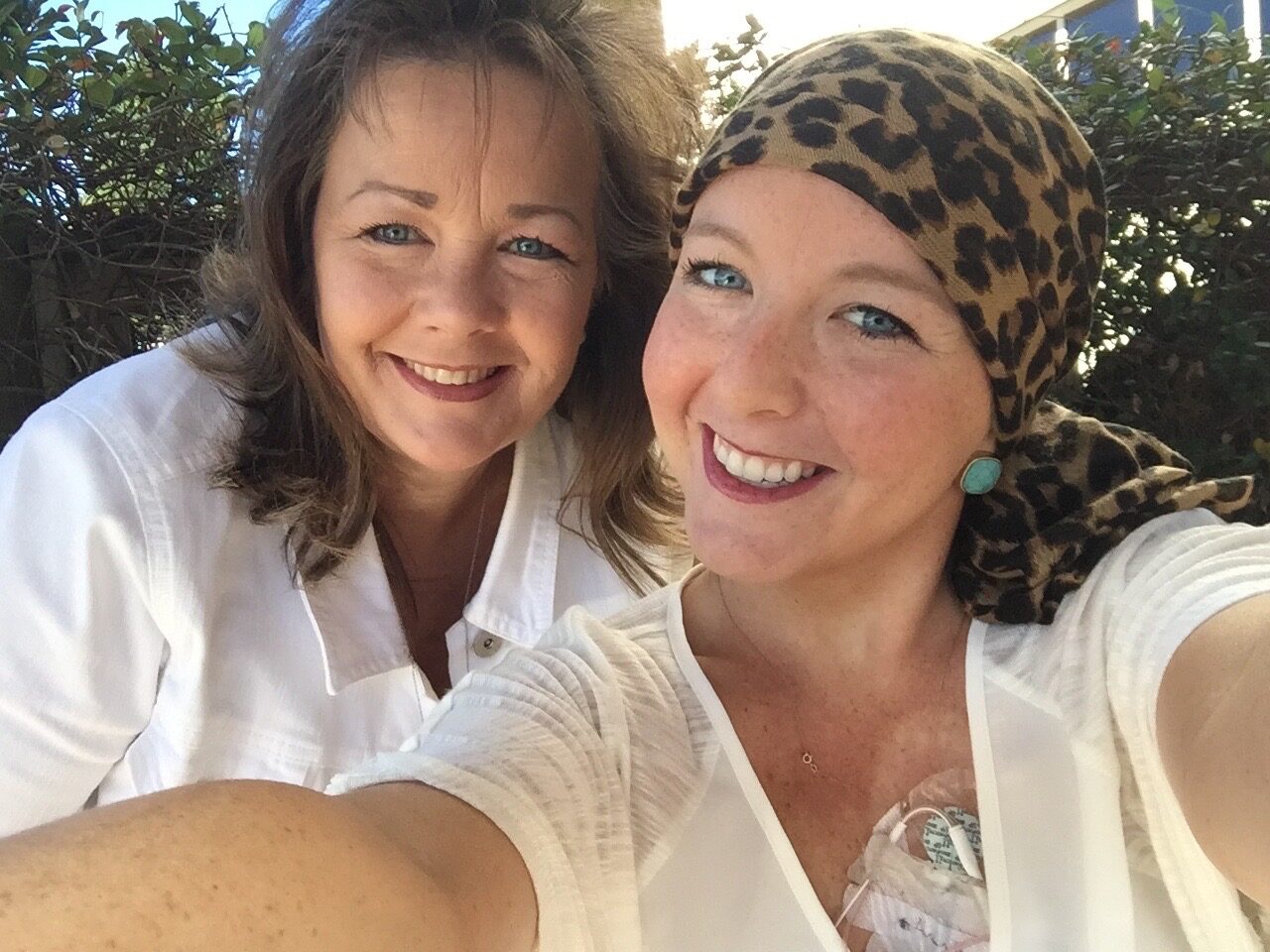
“I studied dance in college — being a professional dancer was my dream. I was not going to leave the tour until I was 100% sure I had leukemia,” Lorson said. “When it was confirmed that I had acute lymphoblastic leukemia (ALL), I quit my dream job, and the next thing I knew, I was on a flight back to Mobile, Alabama, and moving back in with my mom. It was quite a regression.”
Lorson was scared and didn’t know what to expect. She was given the option to freeze her eggs before she started chemotherapy, but it meant delaying treatment.
“At that point, I was more worried about saving my own life than thinking about another life, so I declined,” she said.
In Alabama, she followed the pediatric protocol of three years of chemotherapy, saw a hematologist at Vanderbilt Health for a “second set of eyes” and was leukemia-free for two years, during which time she moved to Knoxville, Tennessee.
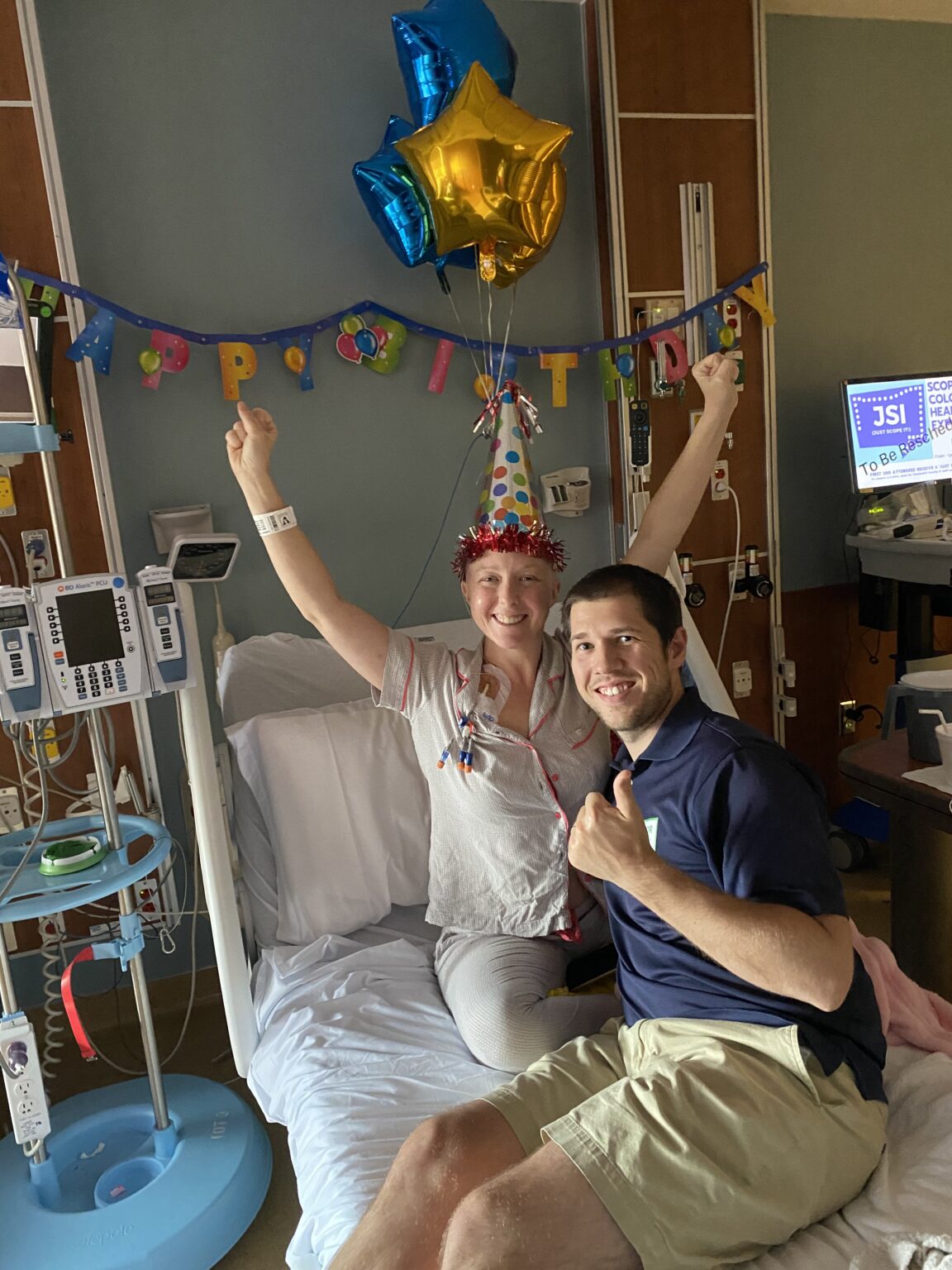
She relapsed in November 2019 and was referred to Vanderbilt Health for a stem cell transplant. Her treatment started in January 2020, and in addition to dealing with COVID, it involved a few failed attempts at remission. Then it took a while to find a donor match in the National Marrow Donor Program. After the transplant, she had many complications that kept her in the hospital, including veno-occlusive disease, a severe liver condition in which chemotherapy blocks small veins.
“After I recovered from that, I got to go home, pick up my life and try to find a new normal,” she said.
One year later, she relapsed again. Lorson’s ALL was back for the third time.
Lorson and her medical team, which included Bhagirathbhai Dholaria, MBBS, associate professor of Medicine in the Division of Hematology and Oncology, decided to get creative after having difficulty finding a donor for her first stem cell transplant.
“Cousins usually aren’t good matches, but thankfully I had two who were half-matches,” she said. “One was a cousin I hadn’t spoken to in 10 years, is 15 years older than me and lives in Florida. I had to call and say, ‘Hey, you’re a match. Would you mind saving my life?’”
Doctors cautioned Lorson that the stem cell transplant would put her into immediate ovarian failure and offered her the opportunity to freeze her eggs.
“At that point I was married and decided to try it,” she said. “I called the fertility clinic the next day and the receptionist said, ‘Thank goodness you called today because we close down for the holidays — if you’d called even a day later, we wouldn’t have been able to squeeze you in.’”
The second stem cell transplant was much easier on Lorson’s body, and she didn’t have the same complications she had with her first one. She was advised to wait at least two years before considering in vitro fertilization (IVF), a process in which her eggs would be fertilized with sperm in a laboratory setting.
“I waited about two-and-a-half years but wasn’t sure if I wanted to go down that road,” she said. “What if I relapsed again? It came back two other times — what’s to stop it from coming back again?”
Month by month, she became more confident in her remission and asked Dholaria if she could talk to one of his patients who had a stem cell transplant and then tried IVF. Dholaria said he didn’t have any.
“I was like, ‘Excuse me? What? Vanderbilt is a huge hospital. You have so many patients. Are you telling me you don’t have one stem cell patient who has tried IVF?’” Lorson said. “And he said, ‘No.’ So I said, ‘Well then, I guess it has to be me. I’ll be the one. So next time a patient asks you this question, you can give them my number straight away.’”
Dholaria calls Lorson a “superstar stem cell transplant survivor” who has overcome seemingly insurmountable odds.
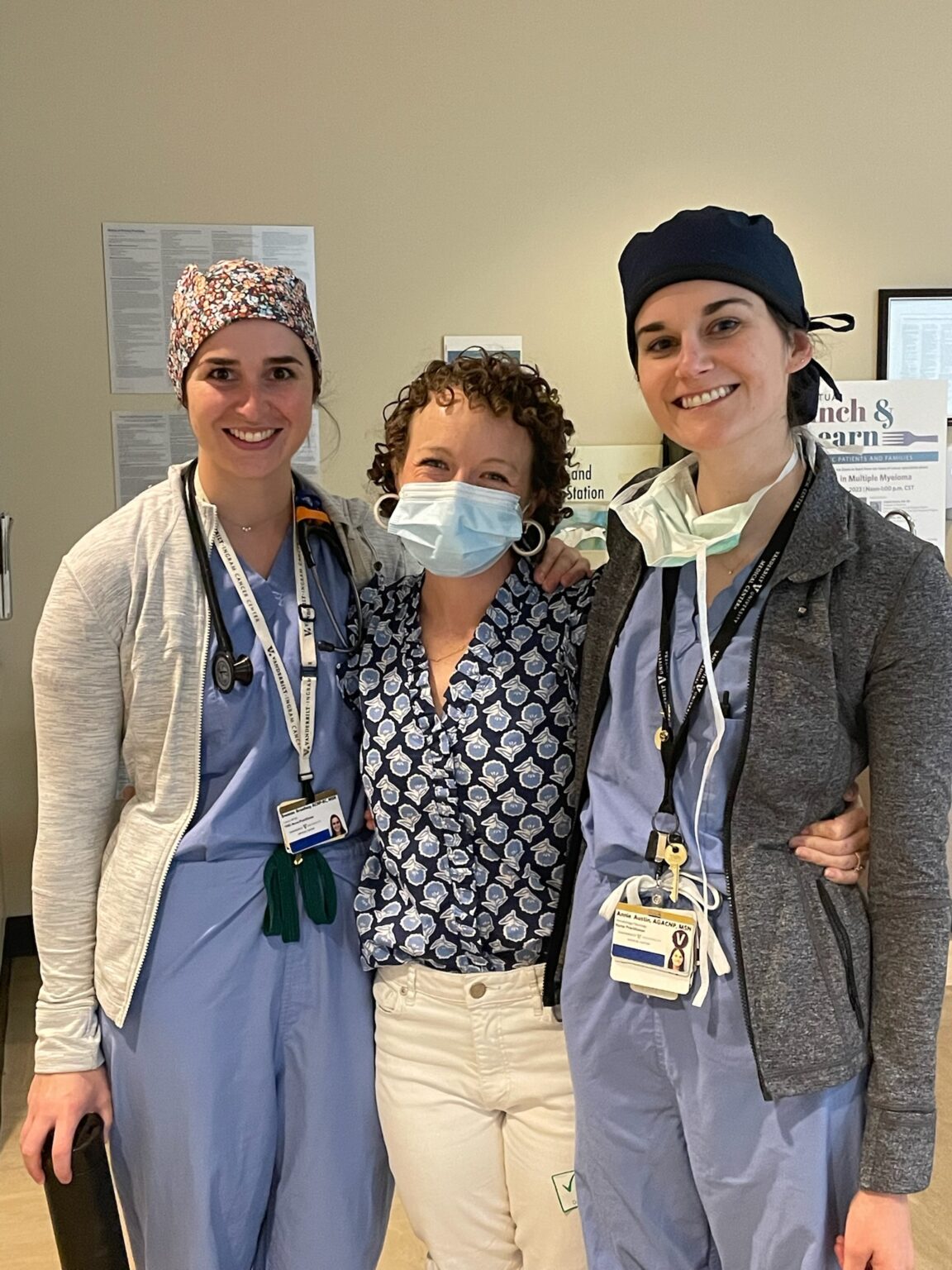
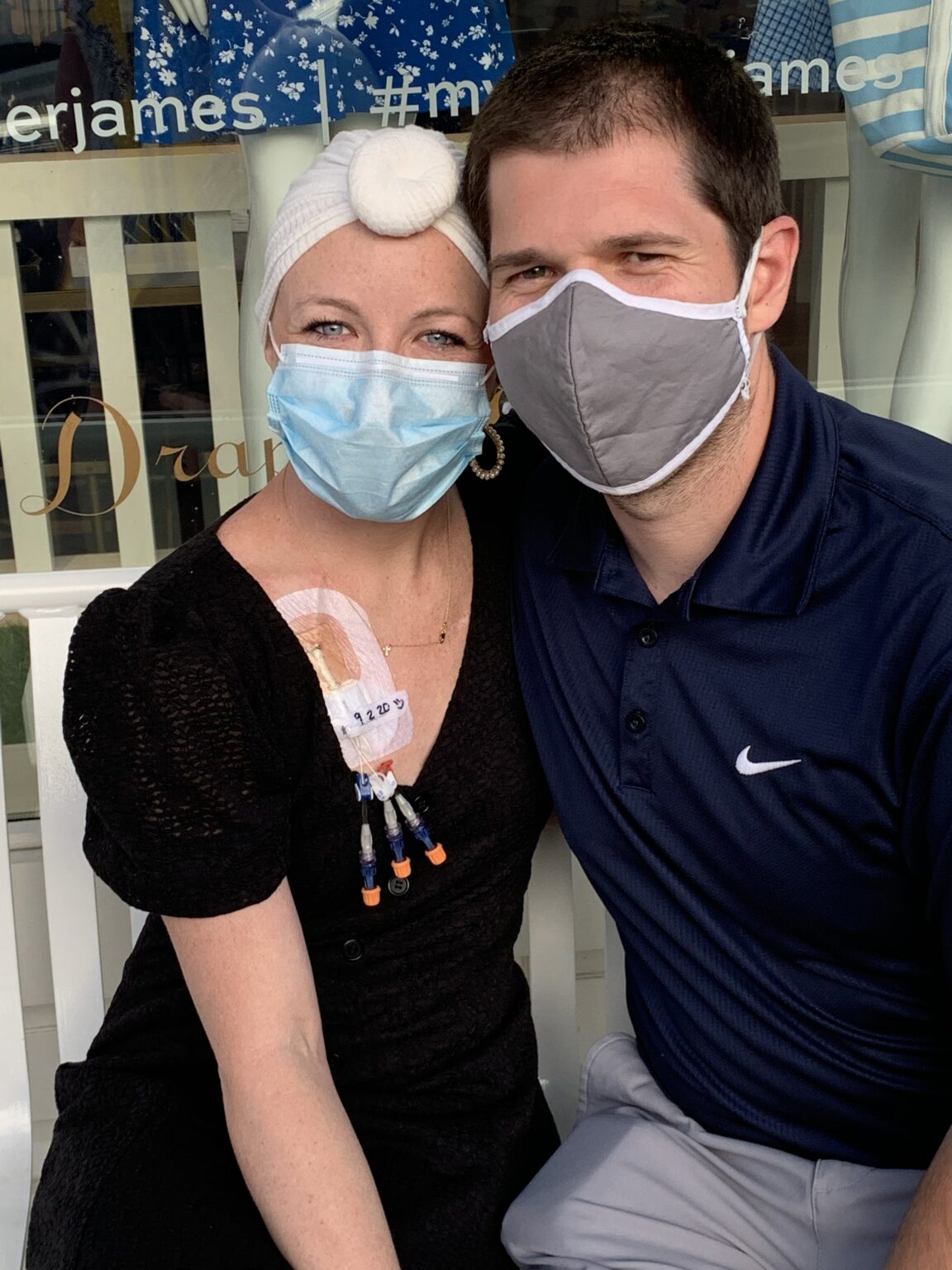
“I first met her when she experienced relapse of her leukemia,” he said. “We decided to pursue curative intent stem cell transplantation, which unfortunately failed after a year. Patients with relapsed leukemia after stem cell transplantation rarely respond to traditional chemotherapy. We decided to give her immunotherapy, which she tolerated well and was able to successfully undergo a second transplant using a different donor.”
Dholaria added that Vanderbilt Health has a comprehensive, fully outpatient allogeneic transplant program — one of few in the nation.
“Intensive leukemia therapies typically result in premature menopause in most patients. However, fertility preservation techniques have come a long way, offering hope to patients like Dani,” he said. “Her story is of hope and perseverance, inspiring all of us to keep pushing boundaries and find better, safer curative therapies for leukemia.”
Vanderbilt Health will soon be offering IVF, said Ryan Heitmann, DO, associate professor of Obstetrics and Gynecology and medical director of the Vanderbilt Fertility Clinic.
“The Vanderbilt Fertility Clinic is restarting our IVF program. Currently, a new clinic and IVF laboratory are being constructed at One Hundred Oaks with an anticipated opening in the first half of 2027,” he said. “In addition to the services currently available at our Cool Springs location, we will offer a wide range of advanced fertility services, including both oncofertility and elective fertility preservation (eggs, embryos and sperm).
“The fertility clinic is also in the final stages of a partnership agreement that will allow us to start these services prior to the One Hundred Oaks IVF center construction being completed.”
Lorson’s IVF doctor initially advised surrogacy, but she was determined to try her own body first, despite the odds.
“I knew it was going to be a hard road with my health history,” she said. “Thankfully, with a lot of hormones and shots, they were able to trick my body into thinking it was a baby-making machine.”
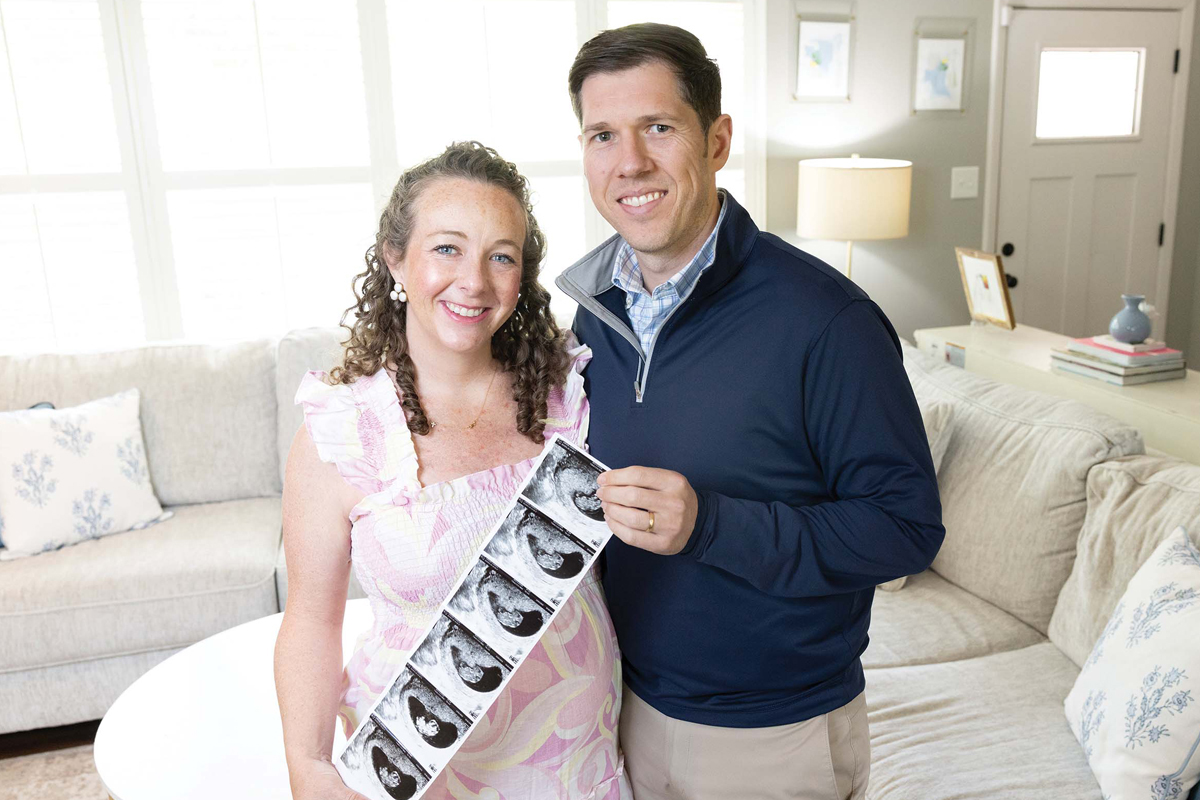
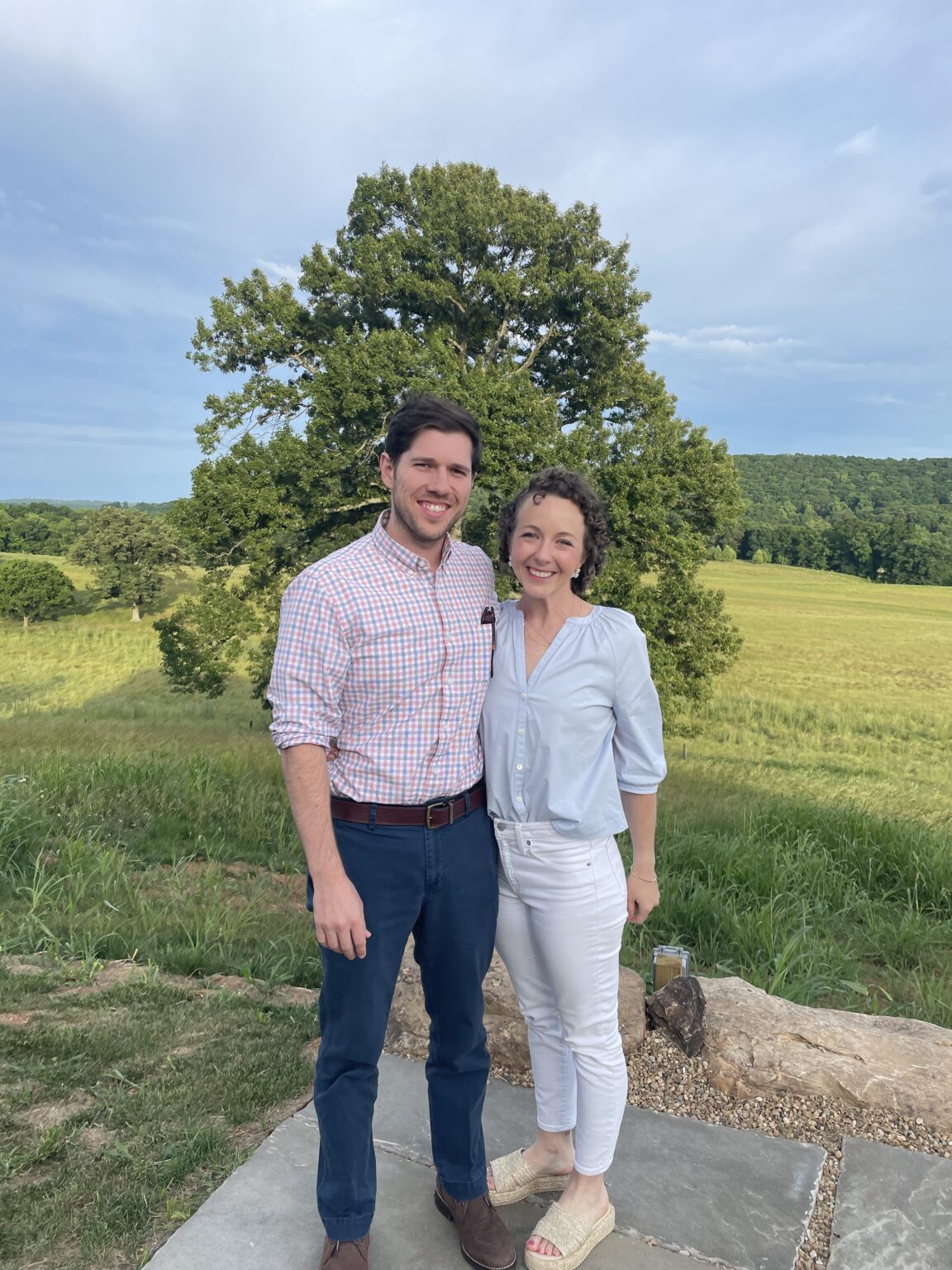
Her first IVF transfer was a success. At press time, Lorson was four-and-a-half years leukemia-free and 23 weeks pregnant. To a greater or lesser degree, she thinks she’ll always worry if her leukemia will return, but she’s walked through a lot of pain and bad news to live what she calls “a beautiful life.”
“It’s absolutely crazy to be pregnant, but I had to believe,” she said. “One of these days, doctors are going to stop doubting me.”