BethAnn McLaughlin Archive — Page 1 of 1

November 29, 2018

McLaughlin, Casagrande honored by the Society for Neuroscience

Two Vanderbilt University scientists — BethAnn McLaughlin, PhD, and the late Vivien Casagrande, PhD — have been honored by the Society for Neuroscience for making significant contributions to the advancement of women in science.

Portrait of a smiling woman with shoulder-length brown hair wearing a striped shirt and dark cardigan.
January 21, 2016

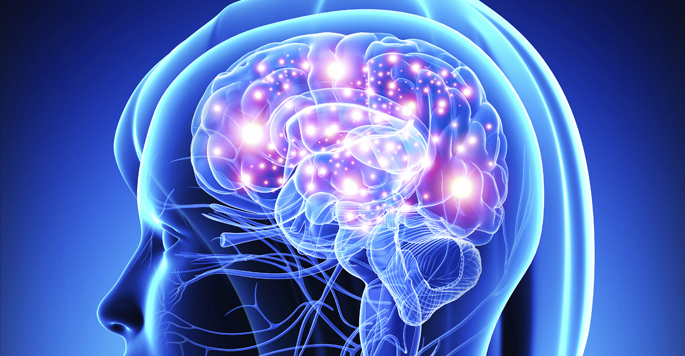
McLaughlin named a reviewing editor for neuroscience journal

BethAnn McLaughlin, Ph.D., a neuroscientist at Vanderbilt University Medical Center, has been invited to serve as a reviewing editor for the Journal of Neuroscience, the flagship publication of the Society of Neuroscience, one of the world’s largest scientific societies.

Stylized side-profile illustration of a human head showing a glowing, interconnected brain and nervous system in blue, purple, and pink.
February 19, 2015

Study sheds light on a ‘guardian’ protein of brain function

Mitochondria not only are the cell’s main power producers, they are also the chief cooks and bottle washers.

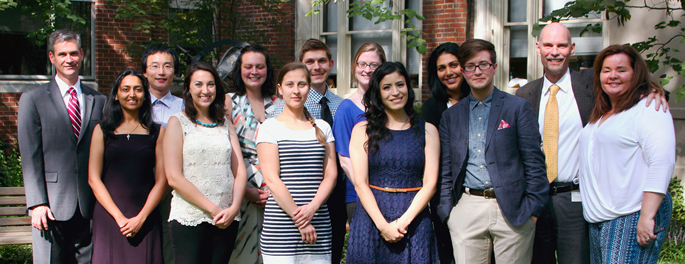
Group portrait of medical residents and faculty standing outside a brick building, associated with the Vanderbilt Clinical Neuroscience Scholars Program.
September 4, 2014

CNS program now giving residents lab experience

In the same way scientists from the Vanderbilt Clinical Neuroscience Scholars (CNS) Program have benefited from their experiences in the clinical setting, an initiative is underway for Psychiatry, Neurology and Neurosurgery residents to have an opportunity to do bench work in the basic science labs.

Ribbon covered in multicolored jigsaw-puzzle pieces, with four loose puzzle pieces on a gray background.
August 14, 2013

Oxidative stress in autism

A biomarker for oxidative stress is elevated in patients with both autism spectrum disorder and gastrointestinal dysfunction, suggesting opportunities for individualized approaches to clinical care.

microbrain
July 24, 2012

Vanderbilt-led team to develop ‘microbrain’ to improve drug testing

Creating a device out of human cells that simulates brain chemistry is the goal of a $6.4 million grant which is part of major new federal initiative to develop a series of “organs on a chip” designed to improve the drug development process.