


kidney disease Archive — Page 3 of 3

-
May 29, 2014
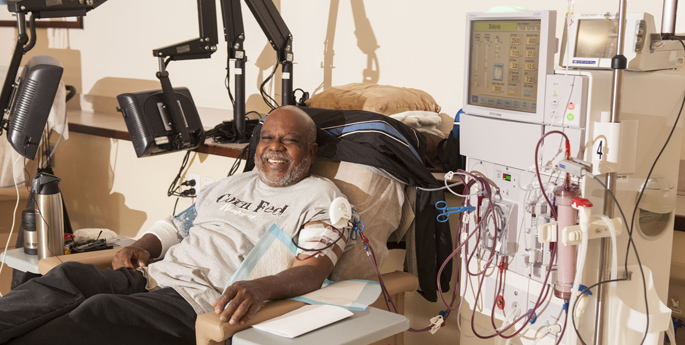
New center dedicated to kidney disease
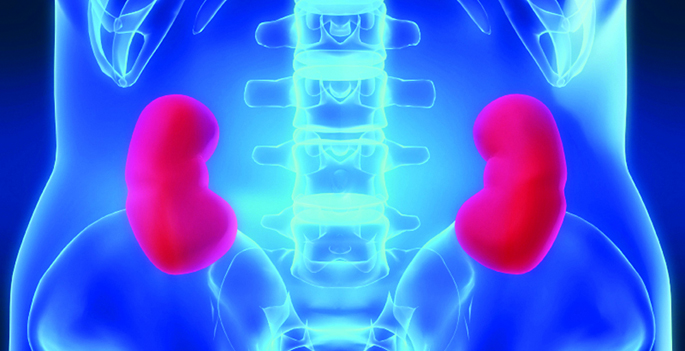
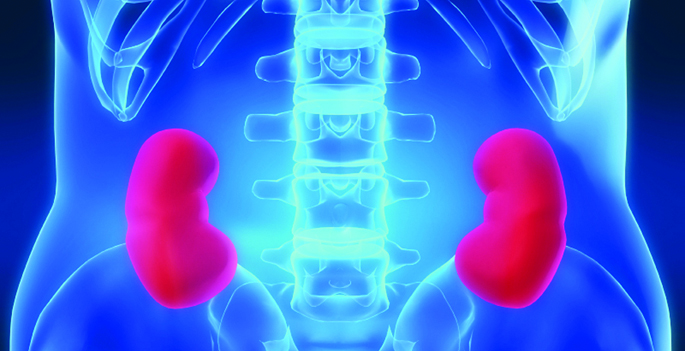
Kidney disease is the eighth most common cause of death in the United States and affects more than 20 million people, yet many people don’t know they have kidney disease because it often develops very slowly and with minimal symptoms. For this reason, kidney disease is often referred to as a silent killer. -
March 19, 2014
Small molecule protects kidney filter
A compound identified at Vanderbilt has therapeutic potential in protecting the kidney filter barrier. -
July 11, 2013
Project seeks to create ‘bioartificial’ kidney
Nephrologist William Fissell IV, M.D., associate professor of Medicine and Biomedical Engineering, is intent on creating and mass-producing an implantable bioartificial kidney that can transform quality of life and prospects for survival for people with chronic kidney disease who would otherwise be forced onto dialysis. -
January 21, 2013
HDL cholesterol impaired in kidney disease
HDL cholesterol is impaired in patients with chronic kidney disease – and may increase their cardiovascular disease risk. -
September 30, 2010
Paired kidney exchange links donors, recipients