


NHLBI Archive — Page 6 of 19




-
June 9, 2020
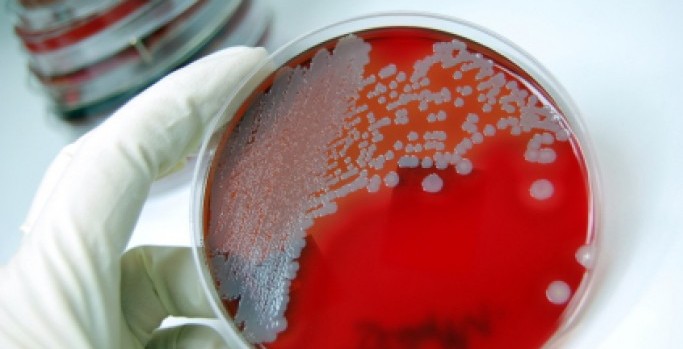
Staph’s activation of blood clotting
Staph bacteria may change the factor they use to activate blood clotting — to evade the immune response — a new study suggests. -
May 19, 2020
Probing innate immunity
Manuel Ascano team validates an inhibitor of the cGAS-STING signaling pathway, which is important for cellular innate immunity against bacteria, viruses, and our own damaged DNA. -
May 5, 2020
A dual-purpose metabolic switch
John York and colleagues have demonstrated that the protein Vip1 is a rare type of bifunctional enzyme: it can both synthesize and destroy key cellular signaling molecules. -
April 30, 2020
EHRs, biobanks and Mendelian diseases
Electronic health records and biobanks can be effectively combined to detect and study Mendelian diseases such as cystic fibrosis. -
April 16, 2020
‘Tuning’ cell shape for division
Dylan Burnette and colleagues have discovered that two forms of the molecular motor protein myosin have distinct roles in regulating cell shape during cell division. -
April 8, 2020
Study launched to test hydroxychloroquine as treatment for COVID-19
-
March 19, 2020
Race, hormones and diabetes risk
Variation in the levels of hormones called natriuretic peptides may contribute to racial differences in susceptibility to diabetes, suggesting that this hormone system may be a target for reducing risk of the disease.