


NIH Archive — Page 39 of 93




-
July 12, 2018
Team explores diabetes drug’s ability to treat RSV infection
A drug used to treat diabetes may point to new therapies for respiratory syncytial virus (RSV) bronchiolitis — inflammation and obstruction of the lungs’ small airways. A multi-disciplinary team of Vanderbilt investigators has demonstrated that liraglutide reduces the inflammatory response to RSV infection in a mouse model of the disease. -
July 2, 2018
SMAD4 clue to colon cancer
Loss of a gene that is part of the TGF-beta signaling pathway increased inflammation in the colon and was observed in half of human colitis-associated cancers. -
July 2, 2018
Mother knows best
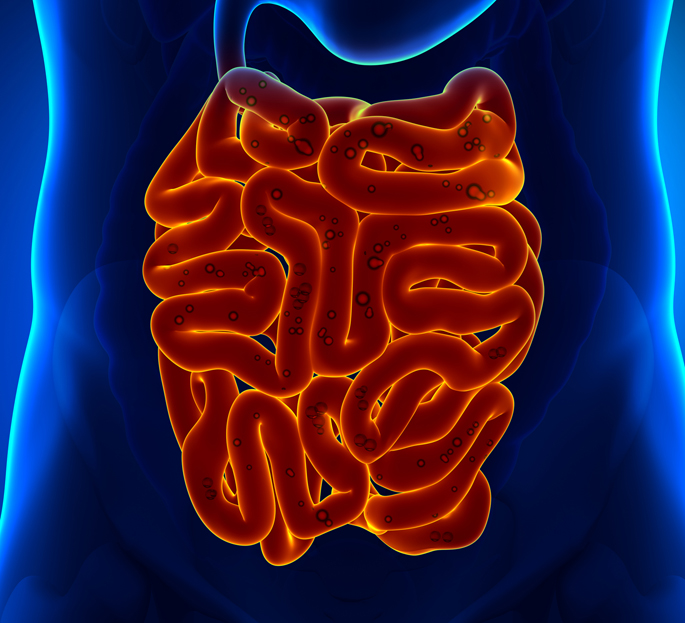
The first demonstration of bacterial DNA in mammalian fetal intestinal tissue suggests that the mother’s microbiome moves into the fetal intestine. -
June 29, 2018
Scavengers “protect” HDL
Jun. 29, 2018—Lipid molecules that bind to HDL can modify its function — and blocking that modification can protect HDL and potentially lower the risk of atherosclerosis and heart disease. -
June 28, 2018
New staph virulence factor
Jun. 28, 2018—The new factor, an enzyme involved in host-pathogen interactions, may be a viable target for treating staph infections. -
June 13, 2018
Novel infection fighter
A drug in use clinically to help make vaccines more effective may be a powerful new tool for fighting antibiotic-resistant infections. -
June 11, 2018
Confronting TB resistance
Vanderbilt researchers describe how certain tuberculosis treatments work and suggest these medications may overcome the threat of drug-resistant tuberculosis.