


stomach cancer Archive — Page 2 of 3


-
November 21, 2014
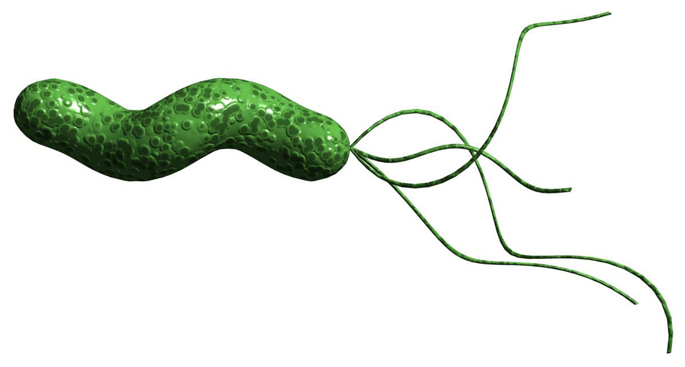
Host sequesters zinc to control stomach bug
Understanding how zinc and the host’s immune response control H. pylori’s cancer-causing potential could suggest new therapeutic strategies to reduce infection and cancer risk. -
December 12, 2013
Therapeutic target for gastric cancer
A protein kinase linked to inflammation and tumor development may be a good target for gastric cancer therapies. -
September 26, 2013
Cell changes en route to stomach cancer
Molecular characterization of pre-cancerous changes in cells lining the stomach could point to lesions with a greater risk of progression to cancer. -
August 12, 2013
Noninvasive test detects stomach bug
A noninvasive test can be used to identify the presence of Helicobacter pylori and evaluate its virulence, which will be useful in areas with high rates of H. pylori-associated gastric cancer. -
May 30, 2013
Berlin earns stomach cancer foundation award
Jordan Berlin, M.D., professor of Medicine and Ingram Professor of Cancer Research at Vanderbilt-Ingram Cancer Center, has received the Tree of Life award from Debbie’s Dream Foundation: Curing Stomach Cancer (DDF). -
May 13, 2013
Salt revs stomach bug’s cancer impact
A high-salt diet worsens the carcinogenic effects of Helicobacter pylori, a bacterium that colonizes the stomachs of half of the world’s population. -
December 20, 2012
Cancer markers from archived tissue
Archived tissue samples are yielding new disease biomarkers.