


Cancer Archive — Page 12 of 70





-
September 20, 2024
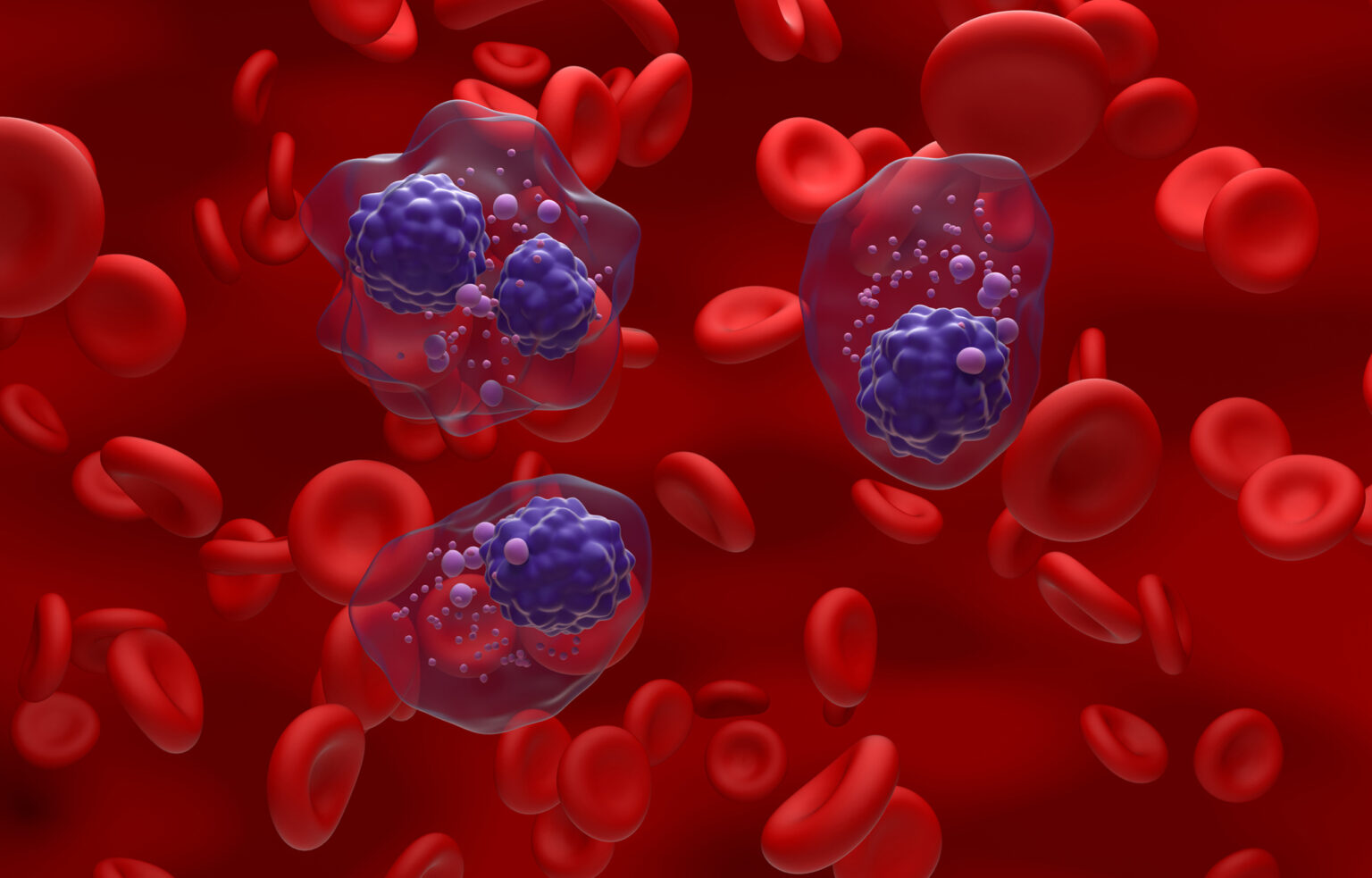
Fever drives enhanced activity, mitochondrial damage in immune cells
The mechanistic understanding of how cells respond to heat could explain how chronic inflammation contributes to the development of cancer. -
September 20, 2024
VUMC physician-scientists recognized for extending veterans’ lung cancer screening
Lucy Spalluto, MD, MPH, and Jennifer Lewis, MD, MS, MPH, are the recipients of the 2024 VAQS Team Award for work they began in 2017. -
September 20, 2024
Vanderbilt researchers speaks at World Conference on Lung Cancer
Deppen spoke about biological, population and technology issues related to the discovery and implementation of biomarkers for early cancer detection. -
September 17, 2024
Protocol improves follow-up for women at high risk for breast cancer
Before the protocol, every patient underwent a Breast Cancer Risk Assessment Tool evaluation, yet there was no established protocol for sharing the results. -
August 7, 2024
Epigenetic change to DNA associated with cancer risk in ‘multiomics’ study
The new study identifies 4,248 CpG sites associated with the risk of seven different types of cancer: breast, colorectal, renal cell, lung, ovarian, prostate and testicular germ cell cancers. -
July 25, 2024
Cookeville celebration
Vanderbilt-Ingram Cancer Center celebrated a ribbon cutting recently at the Cookeville Regional Medical Center Cancer Center, where Vanderbilt-Ingram medical oncologists, radiation oncologists and advanced practice nurses are now the exclusive providers for cancer care. -
July 15, 2024
Katrin Karbstein appointed co-leader of Vanderbilt’s Cancer Cell Biology Research Program
There, she will develop and implement program aims, participate in strategic decision-making in the Cancer Center, direct pilot project funding, facilitate interactions among Cancer Center members, and assist in the recruiting activities for the 42-member program with over $11.7 million in annual peer-reviewed funding.