


Division of Nephrology and Hypertension Archive — Page 5 of 9



-
May 18, 2020
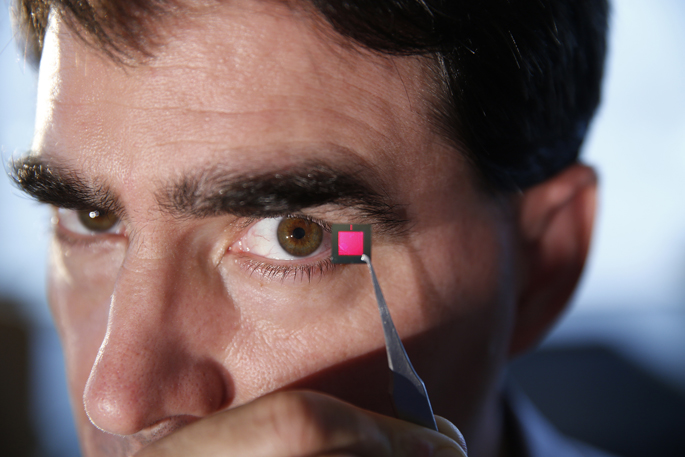
Implant one day may replace dialysis
Vanderbilt researchers used pharmacological manipulations to increase salt and water transport by kidney cells grown in culture, a step necessary for realizing an implantable artificial kidney device. -
May 12, 2020
Pioneering nephrologist William Stone mourned
William J. Stone, MD, nephrologist and professor of Medicine, emeritus, who retired in December after 50 years as a member of the faculty of the Vanderbilt University School of Medicine, died Monday, May 11, at his home in Nashville. He was 83. -
February 18, 2020
Barbershops targeted to improve health of black men
Black men with high blood pressure could benefit from a research study beginning this month to check their vitals while they are getting a haircut at a barbershop. -
February 13, 2020
Nashville VA dialysis unit named in Stone’s honor
The Nashville Veterans Affairs Medical Center has dedicated its dialysis unit to William Stone, MD, a nephrologist and professor of Medicine at VUMC -
February 6, 2020
Team tracks integrin’s role in lung function
Beta-1 integrin, a critical component of epithelial extracellular matrix receptors, is essential for normal lung function in adulthood, researchers at VUMC have discovered. -
January 28, 2020
Protein levels in urine after acute kidney injury predict future loss of kidney function
High levels of protein in a patient’s urine after acute kidney injury is associated with increased risk of kidney disease progression, Vanderbilt researchers report. -
October 31, 2019
Acute kidney injury recovery time impacts future risk
Interventions that impact the timing of recovery following acute injury may improve future outcomes for patients.