Leonard Bacharier Archive — Page 1 of 1

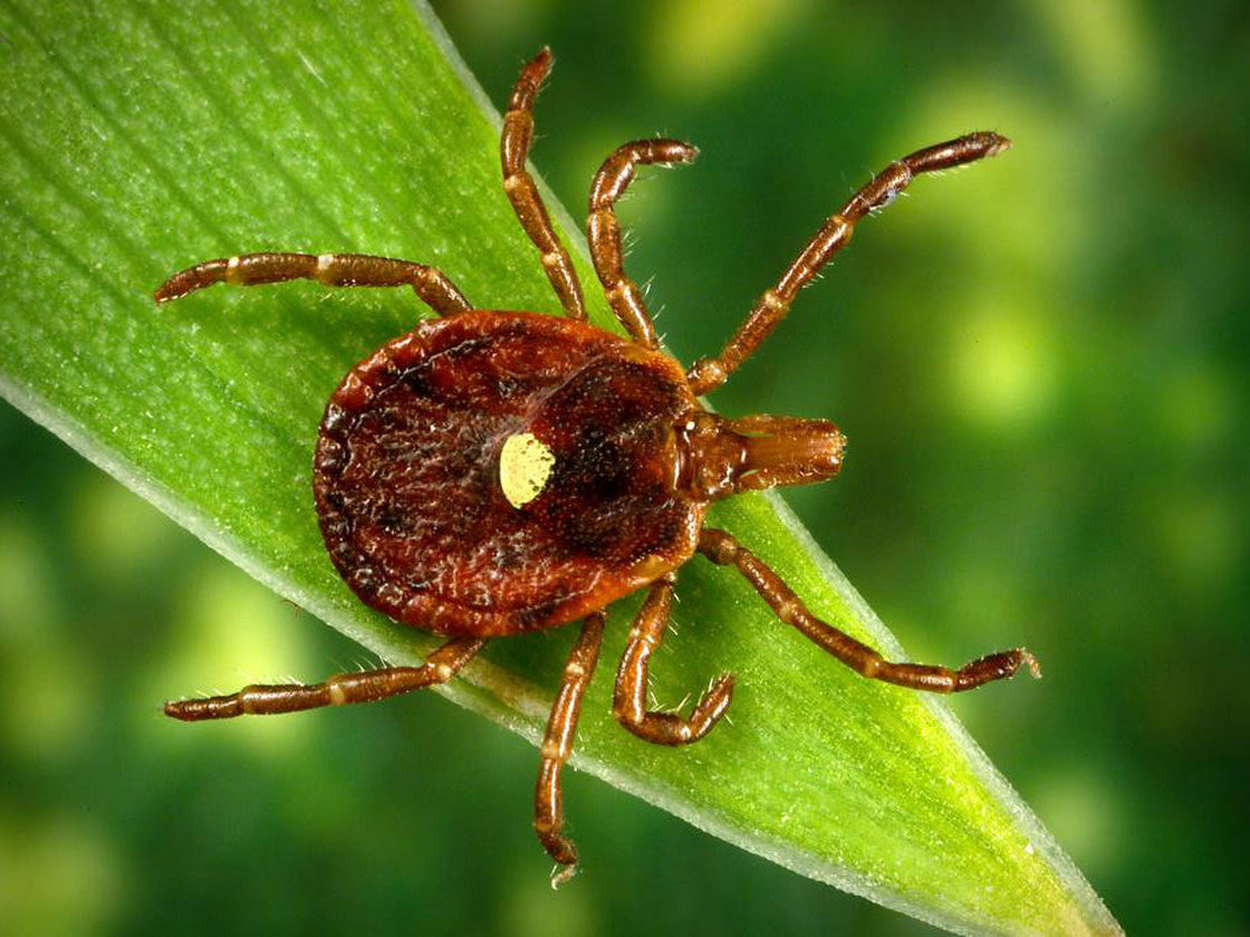
(CDC Public Image Library)
October 8, 2026

Research study aims to clarify alpha-gal syndrome diagnosis and treatment

Alpha-gal syndrome is an allergic condition associated with tick bites that can trigger severe reactions to a sugar molecule called galactose-alpha-1,3-galactose, or alpha-gal, found in red meat.

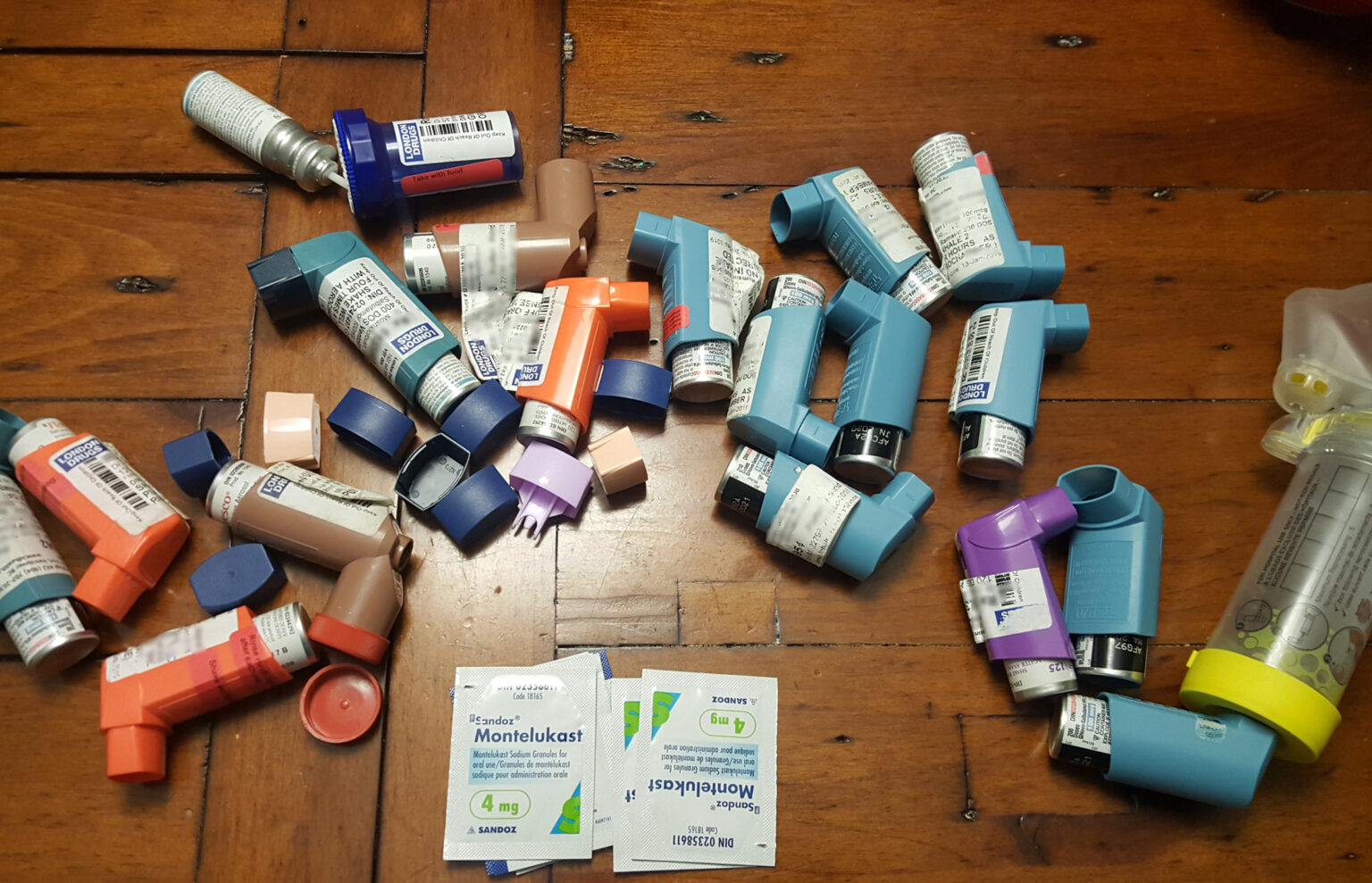
Assorted metered-dose inhalers, spacer parts, and medication packets scattered across a wooden floor. Several labels read “Longs Drugs,” and two packets are labeled “Montelukast 4 mg.”
May 19, 2025

New study highlights improved treatment approach for people with mild asthma

A multicenter trial found that adding budesonide, an inhaled steroid, to albuterol significantly reduced severe asthma attacks compared to using albuterol alone.

(Adobe Stock)
April 29, 2024

Grant bolsters food allergy research efforts

Vanderbilt University Medical Center has been awarded a seven-year, $5 million award to conduct food allergy research, joining nine other institutions as part of the Consortium for Food Allergy Research.

Child kissing and touching a pregnant adult’s abdomen.
March 16, 2023

Study seeks to identify prenatal allergy risk markers

A Vanderbilt clinical trial is seeking to identify prenatal and early childhood markers of high risk for food allergy and atopic dermatitis, or eczema, as well as biological pathways that lead to these conditions.

Open orange prescription bottle spilling green-and-white capsules onto a white surface.
February 28, 2022

Study finds azithromycin use during RSV not useful in preventing recurrent wheezing, may cause harm

Vanderbilt research on the impact of the antibiotic azithromycin during severe respiratory syncytial virus (RSV) bronchiolitis overwhelmingly support current national bronchiolitis guidelines, which recommend against antibiotics during acute bronchiolitis due to lack of effect on the acute illness.

Illustration of three inhaler devices in orange, blue, and light blue, shown upright and at an angle.
December 8, 2021

International study supports dupilumab for treatment of moderate-to-severe asthma in children

In a late-stage clinical trial, the biologic agent dupilumab reduced the rate of severe asthma attacks and improved lung function and asthma control for children ages 6 to 11 with moderate-to-severe asthma, offering a new option to these patients.