


New England Journal of Medicine Archive — Page 1 of 5




-
April 4, 2025
Study details genetic architecture of congenital diarrheal disorders in infants
The findings represent a significant advance toward development of more effective, targeted therapies for congenital diarrhea and enteropathies -
March 4, 2025
Skin tone may affect accuracy of blood oxygen measurement in children: study
One of two commonly used oximetry devices failed to detect low oxygen levels in 7% of patients with the darkest skin tone. -
February 27, 2025
VUMC part of new study validating curative therapy for sickle cell disease
Of 38 adults with severe SCD who participated in the study, more than 97% no longer required immunosuppressive therapy one year after the transplant. -
August 22, 2024
Yelena Bodien joins VUMC to advance efforts in research, treatment of brain disorders
Bodien, who will co-direct the Neuroimaging Core of the Critical Illness, Brain Dysfunction and Survivorship Center, has applied behavioral measures and advanced neuroimaging to improve the diagnosis and prognosis of severe brain injury. -
June 13, 2024
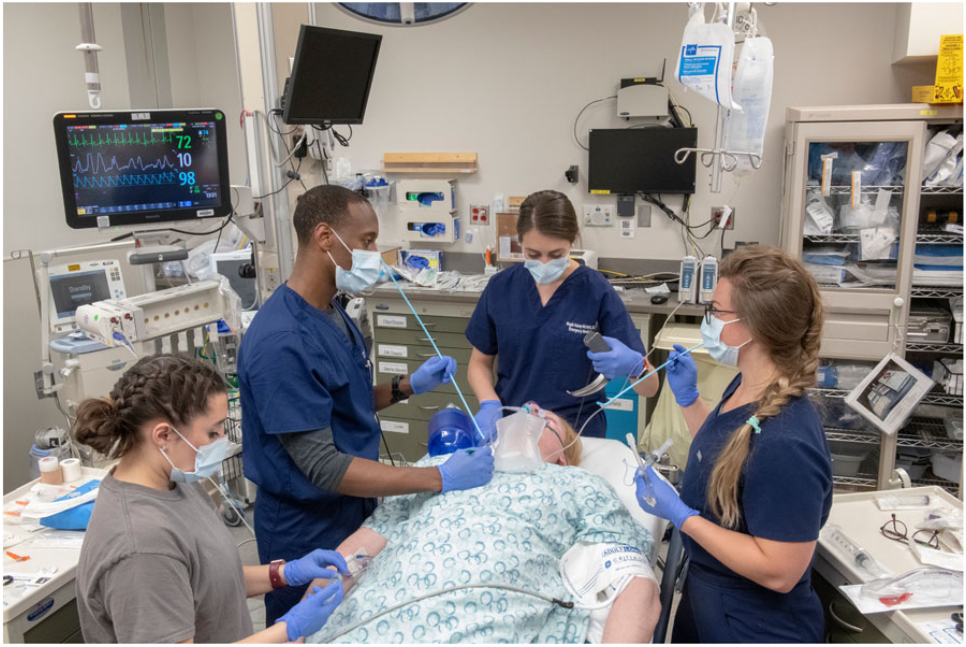
Multicenter study identifies method of preoxygenation that prevents hypoxemia and cardiac arrest during emergency tracheal intubation
Preoxygenation is the administration of supplemental oxygen prior to the start of a procedure to increase the content of oxygen in the lung and decrease the risk of hypoxemia -
March 26, 2024
GRADE Study expands results of major NIH-sponsored comparative study of glucose lowering medications in Type 2 diabetes
The study, which included more than 5,000 volunteers with Type 2 diabetes from diverse racial and ethnic groups, compared the treatments insulin glargine, liraglutide, glimepiride and sitagliptin. -
June 16, 2023
Study shows video laryngoscope increases successful intubation on first attempt
A Vanderbilt study study comparing the two types of laryngoscopes used in tracheal intubation of critically ill patients showed that the use of a video laryngoscope increased successful intubation on the first attempt, compared to the use of a direct laryngoscope, the standard approach for almost a century.