


Parkinson’s disease Archive — Page 1 of 3




-
June 7, 2023
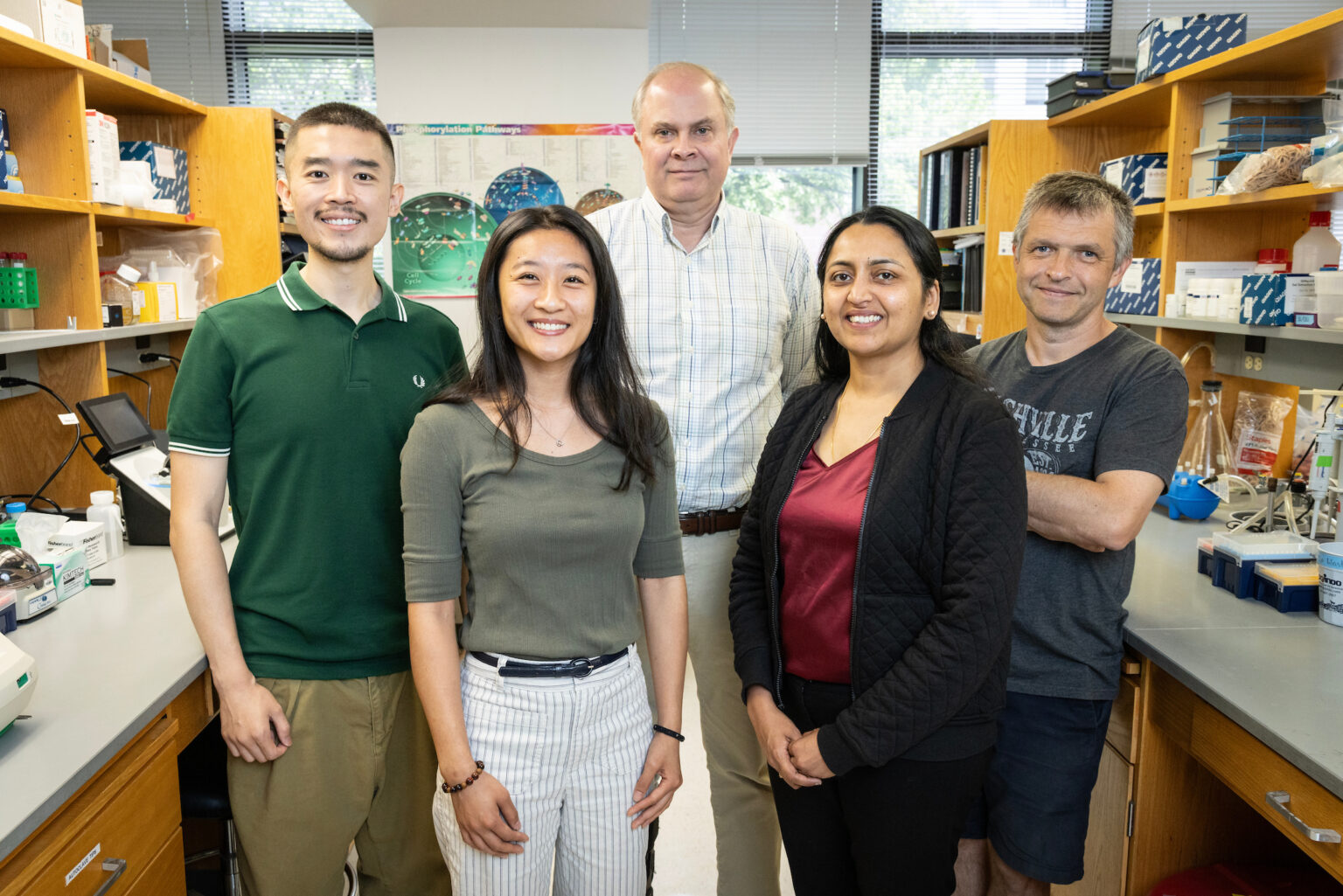
Deep brain sweet spot might be key to halt Parkinson’s
A sweet spot in the deep brain with direct lines of communication to motor regions far out on the cerebral cortex might hold a key to halting the progression of early-stage Parkinson’s disease. -
December 1, 2022
VUMC receives national certification for Parkinson’s disease care
Vanderbilt University Medical Center recently became the nation’s second health care organization to receive The Joint Commission’s Gold Seal of Approval for Parkinson’s Disease Certification. -
November 17, 2022
Study examines impulsiveness in Parkinson’s disease
Vanderbilt researchers are studying aspects of dopamine release and its regulation in Parkinson’s patients with and without impulsive-compulsive behaviors. -
June 30, 2020
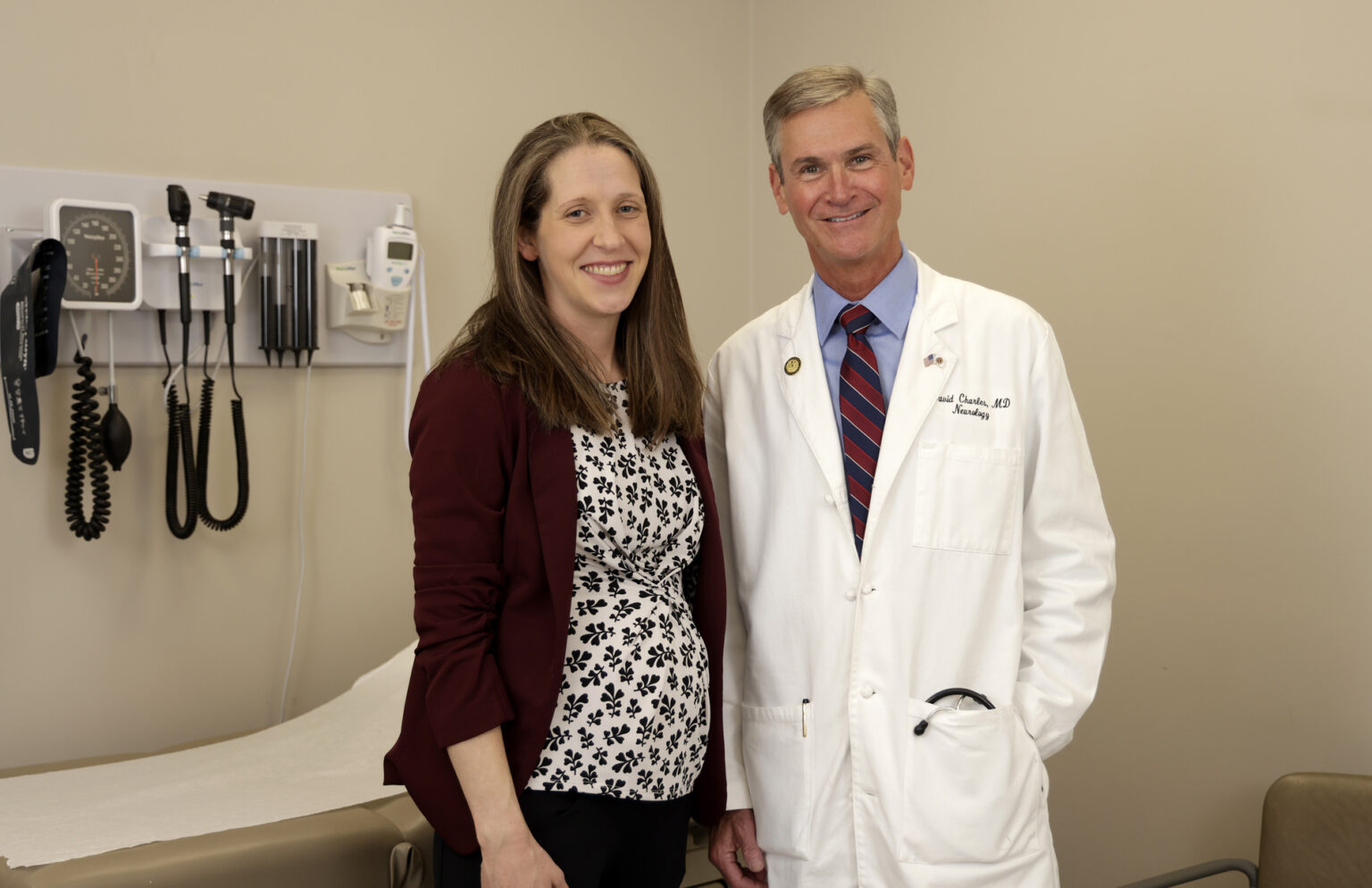
Pilot study suggests Parkinson’s disease progression can be slowed
A pair of ultra-thin electrodes surgically implanted deep into the brain might slow the progression of Parkinson’s disease, according to five-year outcomes from a 30-patient randomized clinical trial conducted by investigators at Vanderbilt University Medical Center. -
December 6, 2018
Neuromodulation Society honors Hacker’s Parkinson’s research
Mallory Hacker, PhD, research assistant professor of Neurology, is the 2019 recipient of the Kumar New Investigator Award from the North American Neuromodulation Society. -
August 30, 2018
Parkinson’s study to track impact of DBS on earliest patients
A decade after taking part in the first clinical trial of deep brain stimulation (DBS) administered during very early-stage Parkinson’s disease, participants will return to Vanderbilt University Medical Center this year to be re-evaluated. -
June 29, 2018
DBS treatment may slow tremor progression in early-stage Parkinson’s patients
June 29, 2018 - Analysis of data from a clinical trial conducted at Vanderbilt suggests that deep brain stimulation (DBS) administered to patients with very early-stage Parkinson’s disease slowed the progression of rest tremor. The study, published June 29 in Neurology, is significant because it is the first evidence of a treatment that may possibly delay the progression of one of the cardinal features of Parkinson’s disease.