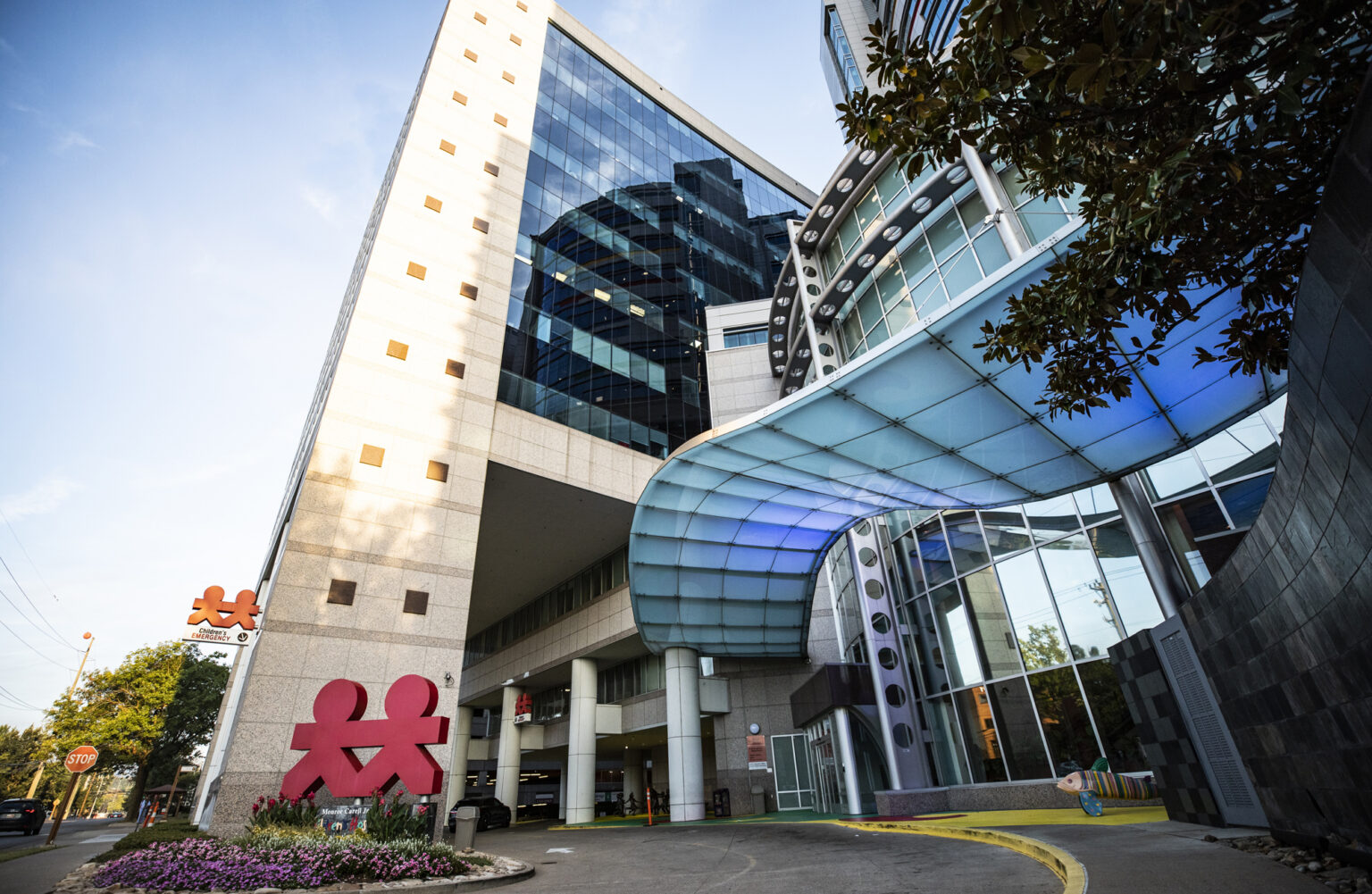
Among the more than 500 physicians in 30 pediatric and surgical specialties at Monroe Carell Jr. Children’s Hospital at Vanderbilt, Danielle Orsagh-Yentis, MD, has a unique role.
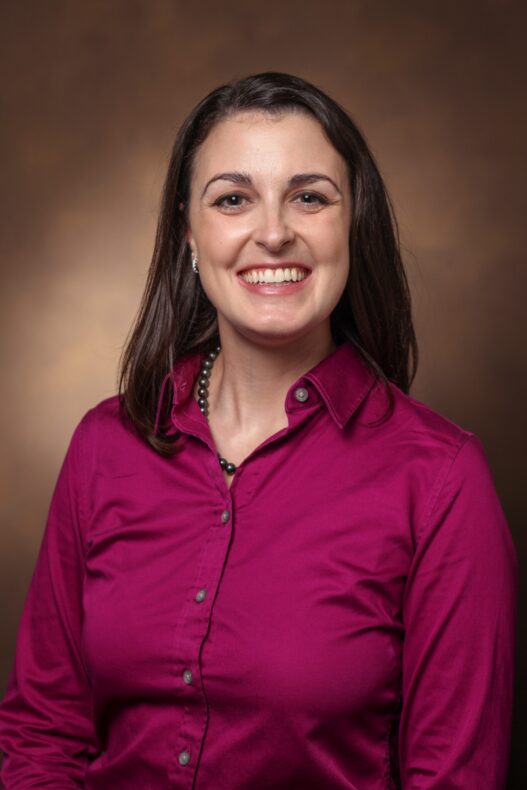
She is the only fellowship-trained pediatric motilist at Monroe Carell — and in the state. Motilists diagnose and treat disorders that affect gastrointestinal (GI) motility: the movement of food, fluids and waste through the digestive tract.
Orsagh-Yentis, Assistant Professor of Pediatrics, joined Monroe Carell’s GI team in 2019. She came with a highly specialized distinction: In addition to completing a traditional three-year pediatric GI fellowship, she had completed a one-year intensive fellowship in pediatric neurogastroenterology motility.
When the muscles and nerves controlling GI motility do not function correctly, issues can arise like bloating, constipation, diarrhea, vomiting and regurgitation.
Primed to treat the most complex cases, Orsagh-Yentis sees motility patients strictly on a referral basis.
“I am almost always seeing patients who are at least second opinions and most oftentimes it’s a third, fourth or fifth opinion,” she said. “We are the ones who see complex cases of constipation, chronic vomiting, extreme distention, fecal soiling and congenital disorders.
“Many of my patients have been dealing with these symptoms for one to five years. Our goal is to pinpoint what is going on, make a diagnosis and get them on a path to betterment,” she said. “There is nothing I get more pleasure from than seeing a patient who has had multiple episodes of vomiting per day for over a year get a new lease on life. There is truly nothing more rewarding than that. It’s a huge a quality-of-life change.”
The Motility Clinic sees about 10-12 new patients twice a month during various half-day sessions throughout the month. Patients with Hirschsprung disease, a rare condition affecting intestinal nerve cells, and anorectal malformations are seen at a monthly half-day clinic that operates in collaboration with one of the pediatric surgeons.
With few motilists in the region, patient referrals come from across Tennessee and from Kentucky, Alabama, Mississippi, Georgia, Florida and Illinois.
Disorders treated in the clinic include achalasia, other forms of esophageal dysmotility, rumination syndrome, gastroparesis, chronic nausea, chronic vomiting conditions like cyclic vomiting syndrome and abdominal migraines, pediatric intestinal pseudo-obstruction, chronic constipation, encopresis, pelvic floor dyssynergia and nonretentive fecal incontinence.
“We have, at our disposal, the full gamut of technology to assess motility in pediatric patients including esophageal manometry, antroduodenal manometry, colonic manometry, and anorectal manometry,” said Orsagh-Yentis. Manometry is a diagnostic test that measures muscle contractions in the GI tract.
“I work closely with pediatric psychologists and pelvic floor physical therapists, as well as our surgeons helping devise the best treatment for an individual child,” she added.
Orsagh-Yentis performs special motility procedures like botulinum toxin (Botox) injections, which help patients with chronic nausea and/or vomiting. Botox injections can also assist patients who have chronic constipation, tight anal sphincter muscles, or Hirschsprung disease have bowel movements more easily.
In the coming years, the clinic hopes to provide more innovative treatments and therapies to expand the unique services offered at Monroe Carell.