


Kathy Whitney Archive — Page 16 of 25



-
September 17, 2015
Pioneering transplant patient readies for Heart Walk
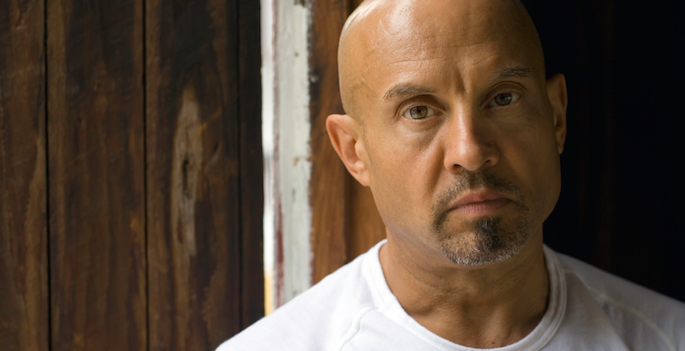
In April 1986 Bonnie Davis of Mt. Pleasant, Tennessee, became the first female patient to receive a heart transplant at Vanderbilt University Hospital. On Oct. 3, she will return to campus to participate in the Greater Nashville Heart Walk. -
September 10, 2015
Beckman to direct newly formed Section of Vascular Medicine
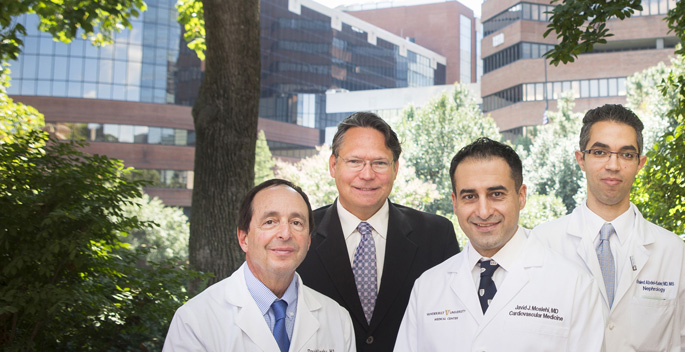
Joshua Beckman, M.D., MSc., previously a faculty member at Harvard Medical School and Brigham and Women’s Hospital, has been named director of Vanderbilt’s newly formed Section of Vascular Medicine within the Division of Cardiovascular Medicine. -
August 20, 2015
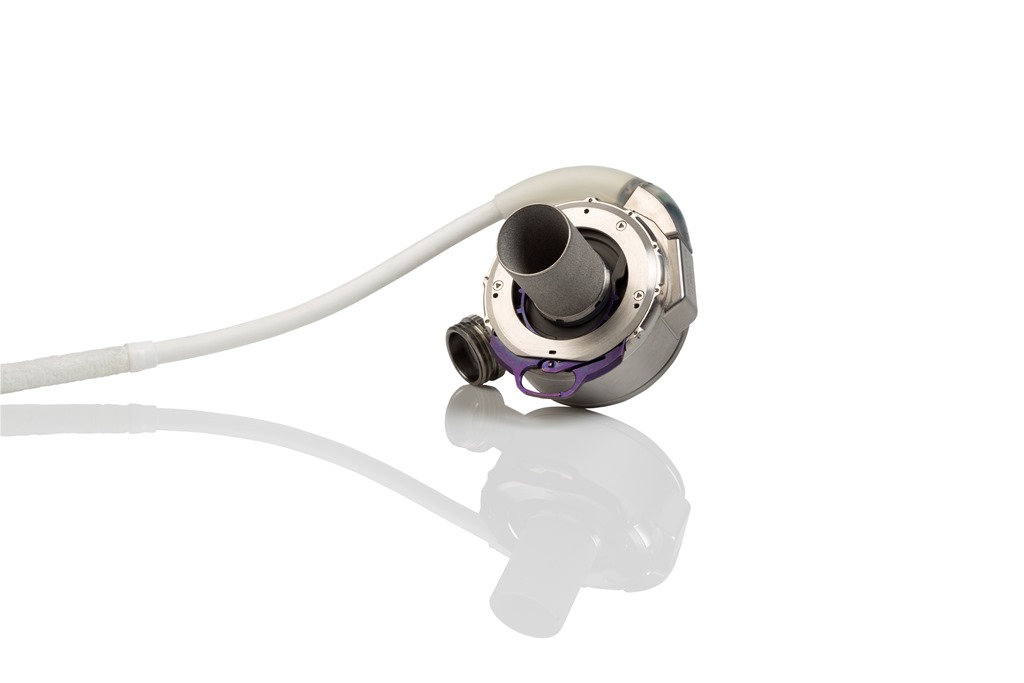
New device monitors pulmonary artery pressures
For patients with heart failure, changes in pulmonary artery (PA) pressures are an early indication that their condition is worsening, even before they notice symptoms such as shortness of breath or weight gain. -
August 13, 2015
Million Veteran Program data spurs research in pharmacogenomics of kidney disease
A team of Vanderbilt and Nashville VA researchers, led by Adriana Hung, M.D., MPH, has been awarded a grant from the U.S. Department of Veterans Affairs to use the Million Veteran Program (MVP) data to conduct diabetes research. -
August 6, 2015
VUMC recognized for high standard of cardiac care
The American College of Cardiology has recognized Vanderbilt University Medical Center (VUMC) for its commitment to and success in implementing a higher standard of care for heart attack patients. -
June 18, 2015
Noted VUSM alum Robert Heimburger dies at 97
Robert F. Heimburger, M.D., a member of the Vanderbilt University School of Medicine class of 1943, died June 9. He was 97.