



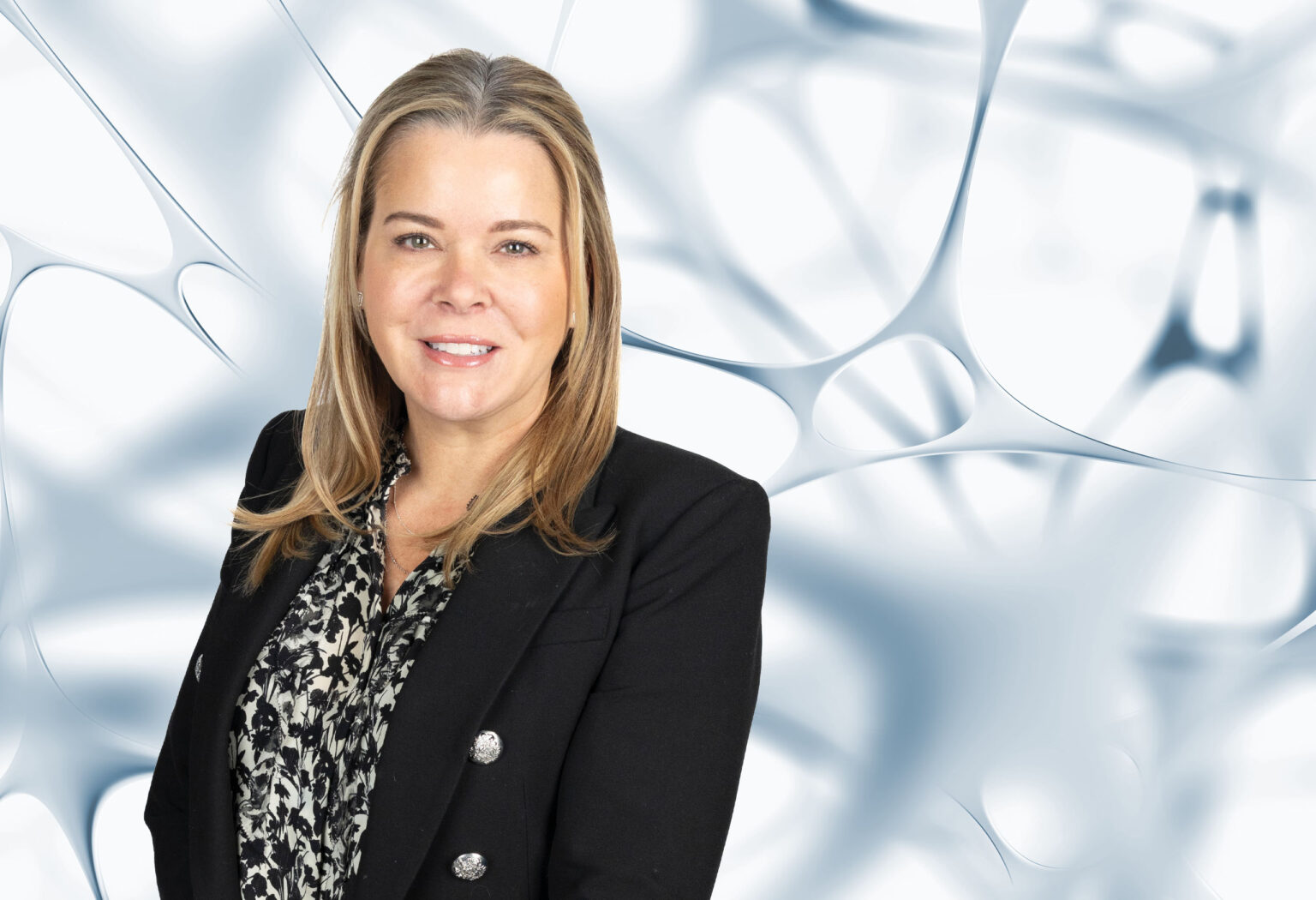

Angela Jefferson, PhD, Professor of Neurology and Medicine, is founding Director of the Vanderbilt Memory and Alzheimer’s Center (VMAC) and founding Director of the Vanderbilt Alzheimer’s Disease Research Center. Jefferson, who holds the Herbert O. and Vineta Christopher Directorship, also leads the Vanderbilt Memory and Aging Project.
Q. What is the significance of VMAC being a National Institutes of Health-designated Center of Excellence?
A. This designation reflects years of commitment to building a highly collaborative environment where
innovative, interdisciplinary research thrives, and discoveries can be translated into better care.
This is especially important because Tennessee has a high burden of Alzheimer’s disease and related vascular risk factors. We have an extraordinary opportunity to serve our region through scientific discovery, community engagement, education and compassionate clinical care. It is an honor and a responsibility we take very seriously.
Q. What explains the increasing prevalence of dementia?
A. As advances in health care allow us to live longer, the number of individuals affected by dementia naturally increases. Chronic health conditions including high blood pressure, diabetes, obesity and vascular disease can contribute to dementia risk. In the past, many cognitive symptoms were also often dismissed as a normal part of aging. Now, biomarkers, brain imaging and clinical assessment allow us to identify Alzheimer’s disease earlier and with greater accuracy.
Q. What do you see ahead in dementia research, diagnosis and treatment?
A. The pace of progress in dementia research and care is accelerating at a rate unimaginable a decade ago. Advances in blood-based biomarkers and digital assessment tools are transforming how we identify individuals at risk for Alzheimer’s disease and related dementias. These tools have the potential to make diagnosis more accessible, scalable and precise across health care settings.
Treatment approaches are also becoming increasingly sophisticated. Current therapies primarily target amyloid, but there are promising therapies in development aimed at other biological processes involved in Alzheimer’s disease, including tau and vascular pathways.
We are also gaining a deeper understanding of modifiable risk factors and the importance of prevention, particularly in midlife, reducing dementia risk before significant cognitive decline occurs.
Q. How has philanthropy impacted your work?
A. One philanthropic partnership that is particularly special to me is the Herbert O. and Vineta Christopher Directorship, which I was honored to receive several years ago. Mr. Christopher established this in memory of his late wife, Vineta, who battled Alzheimer’s disease. Our shared goal is to advance research and care for patients and families facing these devastating illnesses and help change the trajectory for future generations.
Mr. Christopher’s generosity extends beyond our center to include support for fellows in the Department of Otolaryngology-Head and Neck Surgery and investments in Vanderbilt Health’s future through endowed and planned giving. Philanthropic partnerships like his are incredibly meaningful because they allow us to pursue innovative ideas, support trainees and early-career investigators, and accelerate discoveries. I am humbled by the trust donors place in our team and our mission.