


featured-Reporter Archive — Page 74 of 140


-
March 30, 2017
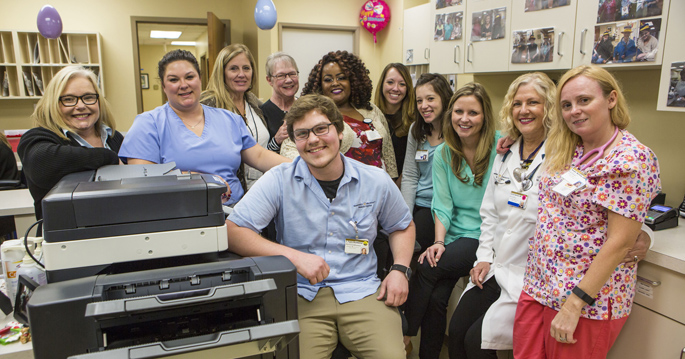
Birthday bash celebrates first year of Seacrest Studios
Monroe Carell Jr. Children’s Hospital at Vanderbilt celebrated the first birthday of its Seacrest Studios at an event on Tuesday, March 21. -
March 28, 2017
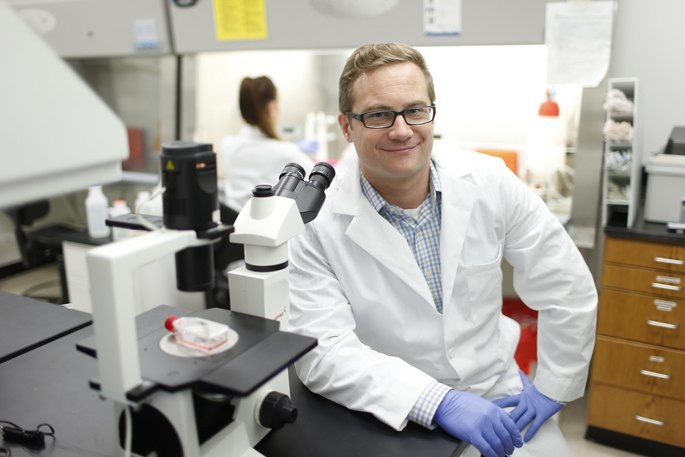
Vanderbilt study finds natural chemical helps brain adapt to stress
A natural signaling molecule that activates cannabinoid receptors in the brain plays a critical role in stress-resilience — the ability to adapt to repeated and acute exposures to traumatic stress, according to researchers at Vanderbilt University Medical Center. -
March 23, 2017
Match Day reveals medical students’ residency locations
inseparable study buddies and then best friends. They started dating at the end of the first year and got married in June 2016. On March 17, the couple stood side by side as they opened their Match Day envelopes that revealed the locations of their residencies…and their future. -
March 23, 2017
Gavin family’s new gifts expand support for Trauma program
When Carol Ann Gavin was transferred to Vanderbilt University Medical Center (VUMC) in 2010 after being gravely ill for weeks, one of the first people she met was critical care surgeon Richard Miller, M.D. She immediately trusted Miller’s assurance that he would get her well. He delivered on his promise. -
March 23, 2017
Volunteer leaders added to VUMC advisory boards
Thirteen volunteer leaders have been named over the past year to fill vacant positions on three Vanderbilt University Medical Center (VUMC) advisory boards and councils. -
March 15, 2017
VUMC taking part in full-scale disaster drill Thursday, March 23
Vanderbilt University Medical Center (VUMC) will join several other hospitals and federal, state and local agencies for a full-scale weather-related disaster drill on Thursday, March 23, from 9 a.m. to noon. -
March 9, 2017
Melanoma study finds new way to enhance targeted therapies
With the help of a drug formerly used to treat HIV/AIDS, researchers at Vanderbilt University Medical Center (VUMC) have found a way to make melanoma cells more vulnerable to targeted anti-cancer therapy.