


NIH Archive — Page 49 of 93





-
February 23, 2017
Team identifies ‘switch’ involved in DNA replication
DNA replication is an extraordinarily complex multi-step process that makes copies of the body’s genetic blueprint. It is necessary for growth and essential to life. Now researchers at the California Institute of Technology (Caltech) and Vanderbilt University have found evidence that one of those steps may involve the telephone-like transmission of electrical signals regulated by a chemical “switch.” -
February 23, 2017
Researchers chart new informatics path in tracking disease risk
In a study in Circulation: Cardiovascular Genetics, Vanderbilt University’s Jonathan Mosley, M.D., Ph.D., and colleagues use genetic correlation to hitch together two unrelated sets of data, one from a longstanding epidemiological cohort and the other from electronic health records. -
February 23, 2017
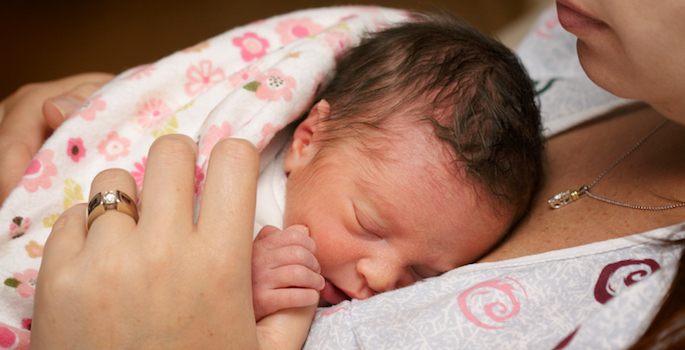
A target to heal tiny lungs
The protein beta-catenin may be a good target for therapies to treat lung disease that is a common complication of preterm birth. -
February 22, 2017
Organ-on-a-chip mimics heart’s biomechanical properties
Scientists at Vanderbilt University have created a three-dimensional organ-on-a-chip that can mimic the heart’s amazing biomechanical properties in order to study cardiac disease, develop heart drugs. -
February 20, 2017
Improving therapies for GI tumors
A signaling protein overexpressed in upper gastrointestinal cancers is an attractive therapeutic target. -
February 16, 2017
Team’s study uncovers cellular responses to bird flu vaccine
New research from Vanderbilt University eavesdrops on gene expression in human immune system cells before and after vaccination against bird flu. -
February 14, 2017
Using the Internet for good
Terrah Foster Akard is helping children facing serious and life-threatening illness create a digital record of their lives, and measuring the impact the practice has on their emotional wellbeing.