


NIH Archive — Page 53 of 93




-
October 20, 2016
Research sheds light on how RSV wards off potential vaccines
Respiratory syncytial virus (RSV) is the major cause of life-threatening viral pneumonia in infants worldwide, yet despite repeated efforts, scientists have been unable to develop an effective vaccine against it. -
October 13, 2016
EGF receptor found to regulate macrophage inflammation in gut
Researchers at Vanderbilt University School of Medicine have uncovered a link between epidermal growth factor receptor (EGFR) signaling and the inflammatory response to bacterial infection in the gastrointestinal tract. -
October 13, 2016
Grant spurs research on how nerves guide organ function
Michelle Southard-Smith, Ph.D., associate professor of Medicine in the Vanderbilt University School of Medicine, has won a major award from the National Institutes of Health (NIH) to support her research on how nerves control organ function. -
October 12, 2016
Imaging probe for retinal disease
An imaging probe developed at Vanderbilt detects retinal inflammation early and may allow therapeutic intervention to prevent blindness. -
October 11, 2016
Culprits in genetic epilepsies
Genetic variation in GABA-A receptors confers risk for inherited forms of epilepsy. -
October 7, 2016
Rheumatoid subtypes explored by PheWAS
A computer-based method pioneered at Vanderbilt is being used to compare subtypes of rheumatoid arthritis. -
October 6, 2016
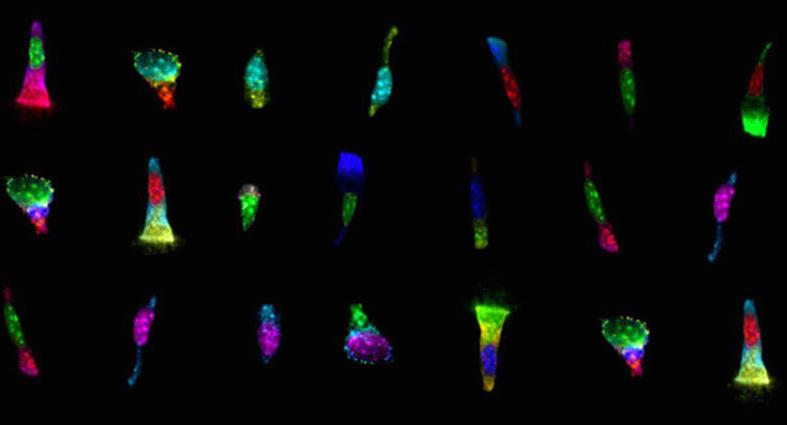
Motoring to the tips of the brush border
New findings implicate a motor protein in the assembly of the brush border in the intestines and kidneys – a specialized surface that is critical for healthy organ function.