


Imaging Archive — Page 4 of 14



-
June 12, 2023
Images predict functional decline
MRI brain scans at baseline for study participants 60 and older — who were free of clinical dementia at study entry — predicted a decline in independent function five years later. -
June 8, 2023
An image of cancer treatment response
An MRI method developed by Vanderbilt researchers uses imaging data to derive cell size and could be added to clinical practice for better monitoring of breast cancer treatment response. -
May 24, 2023
ACR names Monroe Carell a Diagnostic Imaging Center of Excellence
Monroe Carell Jr. Children’s Hospital at Vanderbilt has been named a Diagnostic Imaging Center of Excellence (DICOE) by the American College of Radiology (ACR). -
May 22, 2023
Neurofluid flow and Alzheimer’s disease
Vanderbilt researchers used novel MRI methods to noninvasively quantify measures of neurofluid circulation and found that hypertrophy of a site of cerebrospinal fluid egress may be related to amyloid-beta retention in Alzheimer’s disease. -
May 8, 2023
Improved imaging for kidney disease
Vanderbilt researchers identified optimal MRI parameters for estimating the severity of polycystic kidney disease, a common inherited disorder that can lead to end-stage renal failure. -
May 4, 2023
Better adenoma detection
Fluorescent nanoparticles clearly identified colonic adenomas — precursors to colorectal cancer — in mice, and the formulation should translate to clinical use in humans. -
March 27, 2023
Improving lung nodule diagnosis
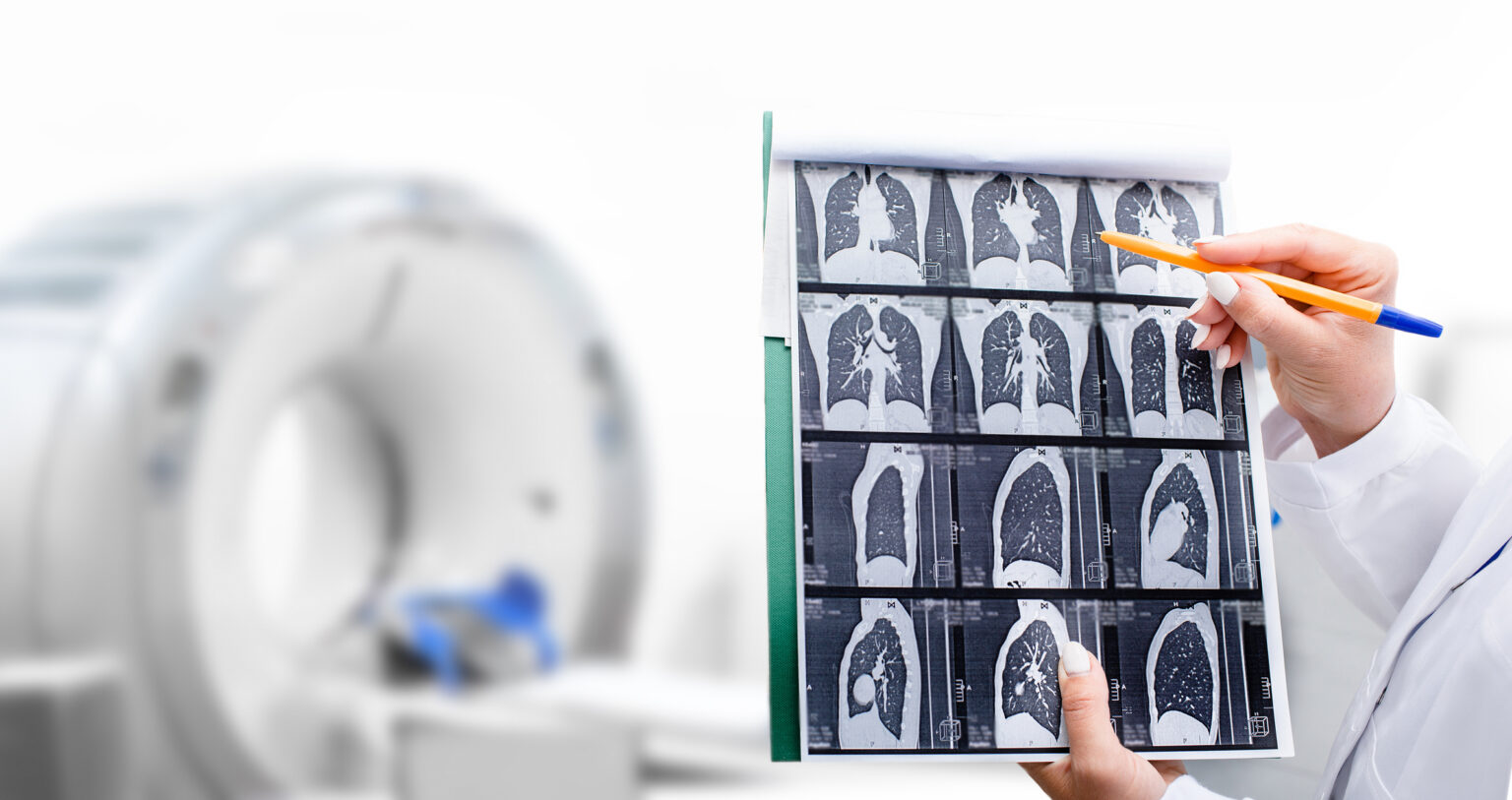
Adding blood and imaging biomarkers to a clinical prediction model could improve diagnostic accuracy for the 1.6 million lung nodules detected each year, many through expanded lung cancer screening programs.