


Division of Allergy Pulmonary and Critical Care Medicine Archive — Page 3 of 13

-
April 22, 2024
Julie Bastarache elected VP of clinical investigation society
Julie Bastarache, MD, Assistant Vice President for Clinical & Translational Scientist Development at Vanderbilt University Medical Center, has been elected vice president of the American Society for Clinical Investigation (ASCI) for 2024-2025. -
March 29, 2024
Anna Hemnes named director of the Division of Allergy, Pulmonary and Critical Care Medicine
Anna Hemnes, MD, has been named director of the Division of Allergy, Pulmonary and Critical Care Medicine, physician-in-chief of the Vanderbilt Lung Institute and director of the Center for Lung Research. -
February 22, 2024
NIH-funded trial to determine if immunomodulation can improve brain and cardiovascular dysfunction in Long COVID
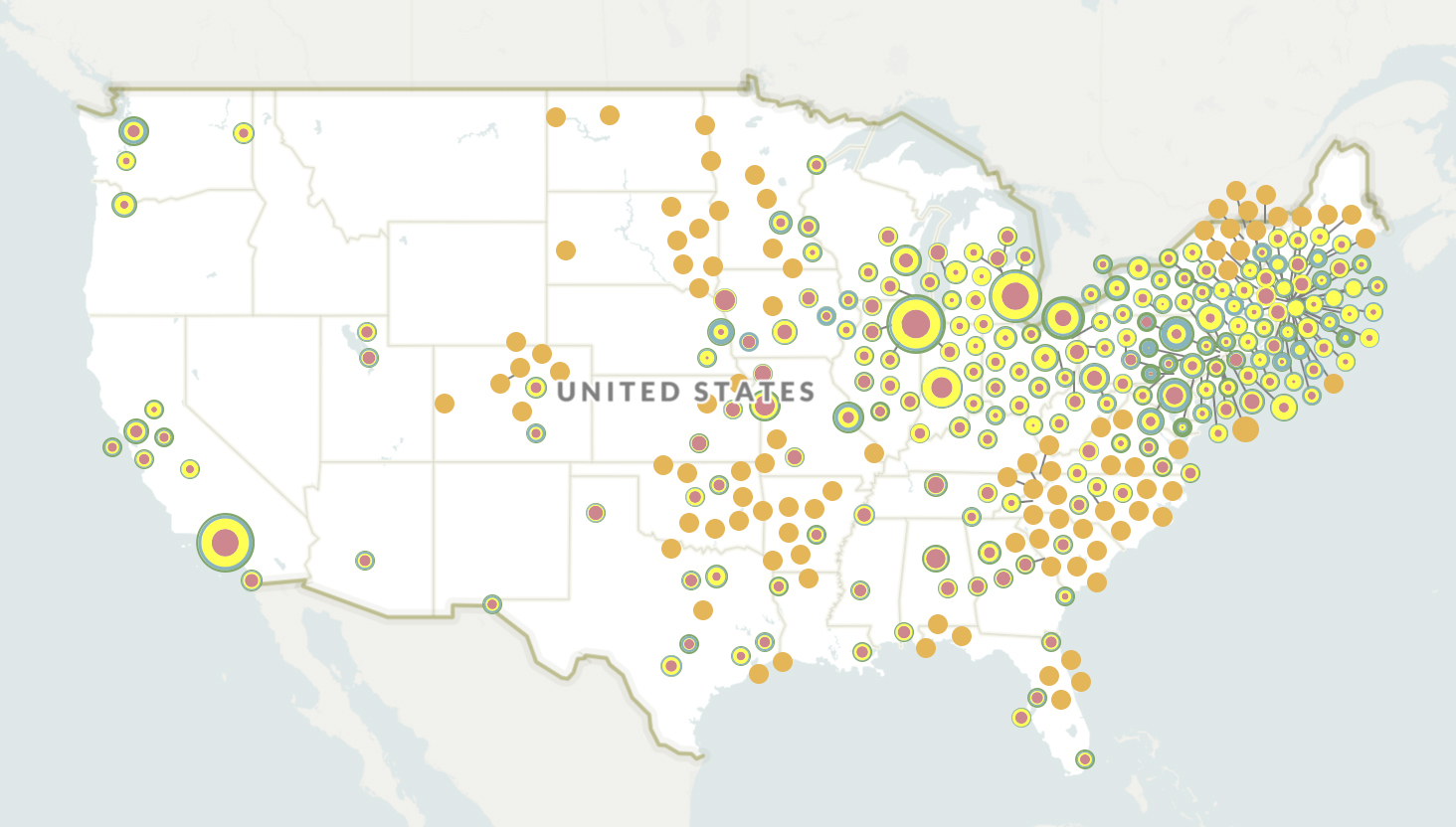
Vanderbilt University Medical Center is working with scientists around the U.S. to launch the first Phase III, multicenter, placebo-controlled trial to determine the effect of immunomodulation on Long COVID. -
February 22, 2024
VUMC mourns loss of renowned pulmonary medicine physician-scientist John H. Newman
John H. Newman, MD, an acclaimed physician-scientist in Vanderbilt University Medical Center’s Division of Allergy, Pulmonary and Critical Care Medicine who made numerous contributions to the knowledge of pulmonary vascular disease, died on Tuesday, Feb. 20, after a several-month illness. He was 78. -
February 15, 2024
Timothy Blackwell to chair the Department of Internal Medicine at the University of Michigan
Timothy Blackwell, MD, director of the Division of Allergy, Pulmonary and Critical Care Medicine, is leaving Vanderbilt University Medical Center to chair the Department of Internal Medicine at the University of Michigan. -
January 30, 2024
Four physician-scientists from VUMC receive national early-career awards
Four Vanderbilt physician-scientists have received awards from the American Society for Clinical Investigation. -
January 24, 2024
Stokes Peebles appointed to the National Advisory Allergy and Infectious Diseases Council
Vanderbilt's Stokes Peebles, MD, has been appointed to the National Advisory Allergy and Infectious Diseases Council.