


Division of Pediatric Emergency Medicine Archive — Page 1 of 2



-
May 16, 2025
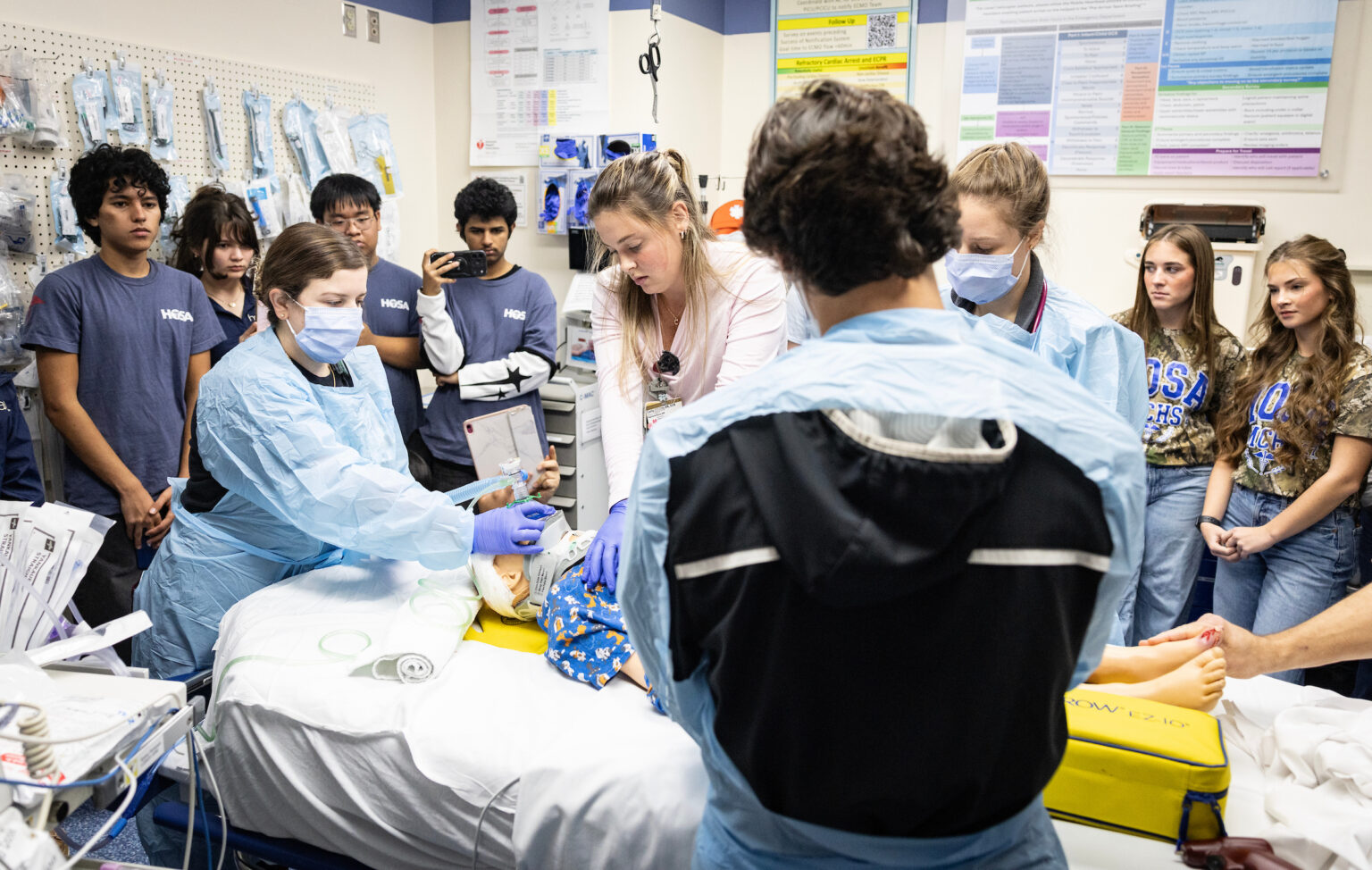
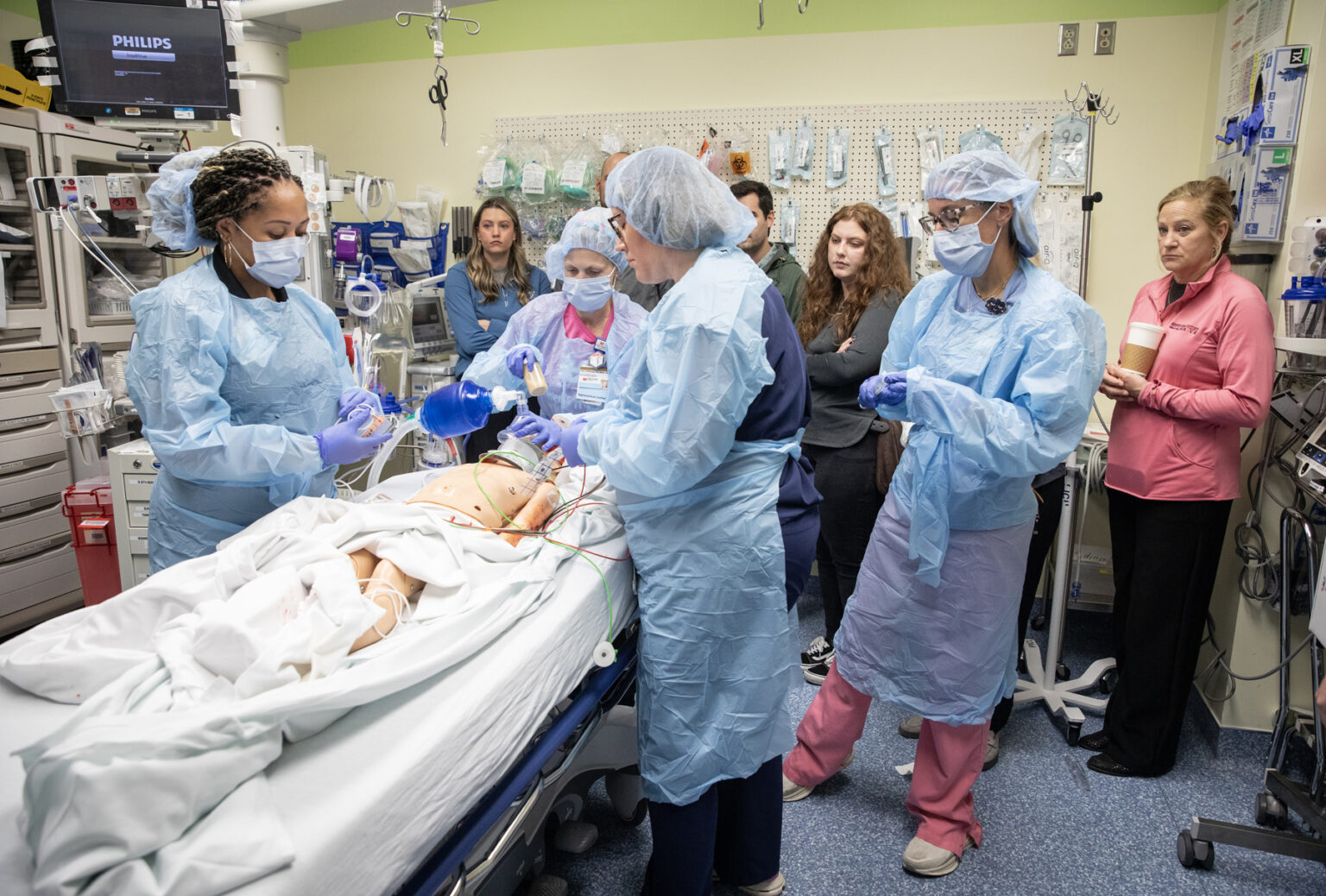
‘This could happen any day.’ Volunteers and staff pitch in for the first large-scale mass casualty drill held at VUMC in 15 years.
Dozens of people pitched in to help leadership at Monroe Carell Jr. Children’s Hospital at Vanderbilt get an up-to-date review of emergency preparedness. -
July 10, 2024
The LifeFlight legacy: 40 years in 40 photos
Since July 1984, LifeFlight has made 76,942 flights and transported 80,118 patients. It’s transported another 37,133 patients since its ground transport program began; critical care ground transports number 4,188. This is the ever-expanding legacy: mothers, fathers, sisters, brothers, wives, husbands, children and grandparents — alive. Explore an audio clip, map and more. -
September 29, 2023
How to prepare for a medical emergency: A paramedic’s 10 things you need to know before the ambulance is on the way
Most people do not know what to expect when calling 911. Here is guidance from someone who knows. -
October 27, 2022
Vanderbilt experts urge caution when using glow sticks
Pediatricians at Monroe Carell Jr. Children’s Hospital at Vanderbilt urge everyone to use caution when using the popular glow-in-the-dark sticks and accessories. -
September 1, 2022
New protocol moves pediatric ED patients to primary care clinic
Vanderbilt has created a pediatric emergency department to primary care clinic transfer protocol as an alternative for using the ED for non-urgent conditions that can be treated in a primary care setting. -
July 21, 2022
Children’s Hospital sees increase in children poisoned by THC in marijuana edibles
They resemble candy. They taste like candy. Some children have ended up in intensive care. -
March 9, 2021
Pediatric emergency visits, hospitalizations down sharply during pandemic: study
Amid the COVID-19 pandemic, children’s hospitals across the United States have seen signification reductions in the number of children being treated for common pediatric illnesses like asthma and pneumonia, according to a new multicenter study led by Monroe Carell Jr. Children’s Hospital at Vanderbilt.