


Vanderbilt Brain Institute Archive — Page 3 of 5


-
October 29, 2014
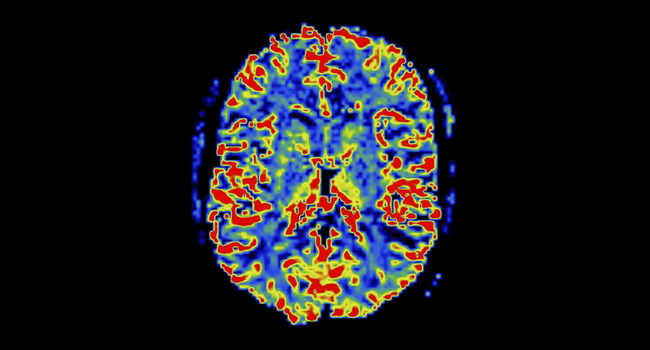
‘White matter’ behaves differently in children with dyslexia
Trans-institutional neuroimaging research at Vanderbilt finds that the brain may be structured differently in children with dyslexia. -
October 20, 2014
New faculty: Dugan explores complexities of Alzheimer’s
Laura Dugan strives to bring breakthroughs in neuroscience research and the aging brain together. -
July 21, 2014
Reversing stress-induced anxiety
Augmenting the signals of natural “endocannabinoids” in the brain may be a promising approach for treating mood and anxiety disorders. -
June 19, 2014
Photo: Music and the Mind
-
May 28, 2014
Ben Folds featured at ‘Music and Mind’ symposium
Ben Folds is featured at “Music and the Mind,” a free symposium sponsored by the Vanderbilt Brain Institute June 12. -
April 11, 2014
Myelin junctions key to conduction
A protein in the myelin coating on nerves helps form a “seal” that enables effective nerve conduction; loss of the protein causes inherited neuropathies. -
March 28, 2014
Mapping brain circuitry
Vanderbilt investigators have used two types of neuroimaging to establish a “map” of connections for a brain region important in anxiety and addiction.