Zhijun Yin Archive — Page 1 of 1

Blue healthcare technology graphic featuring a large white medical cross, glowing digital wave lines, binary digits, and smaller icons for a person, water droplet, capsule, medical kit, heart, and envelope.
July 2, 2026

Team’s prediction task compares GPT-4o with classic machine learning

Large language models have been functionally opaque. Seeking some transparency, a team undertook a comparison with traditional machine learning for predicting which patients would discontinue their home cancer medications.

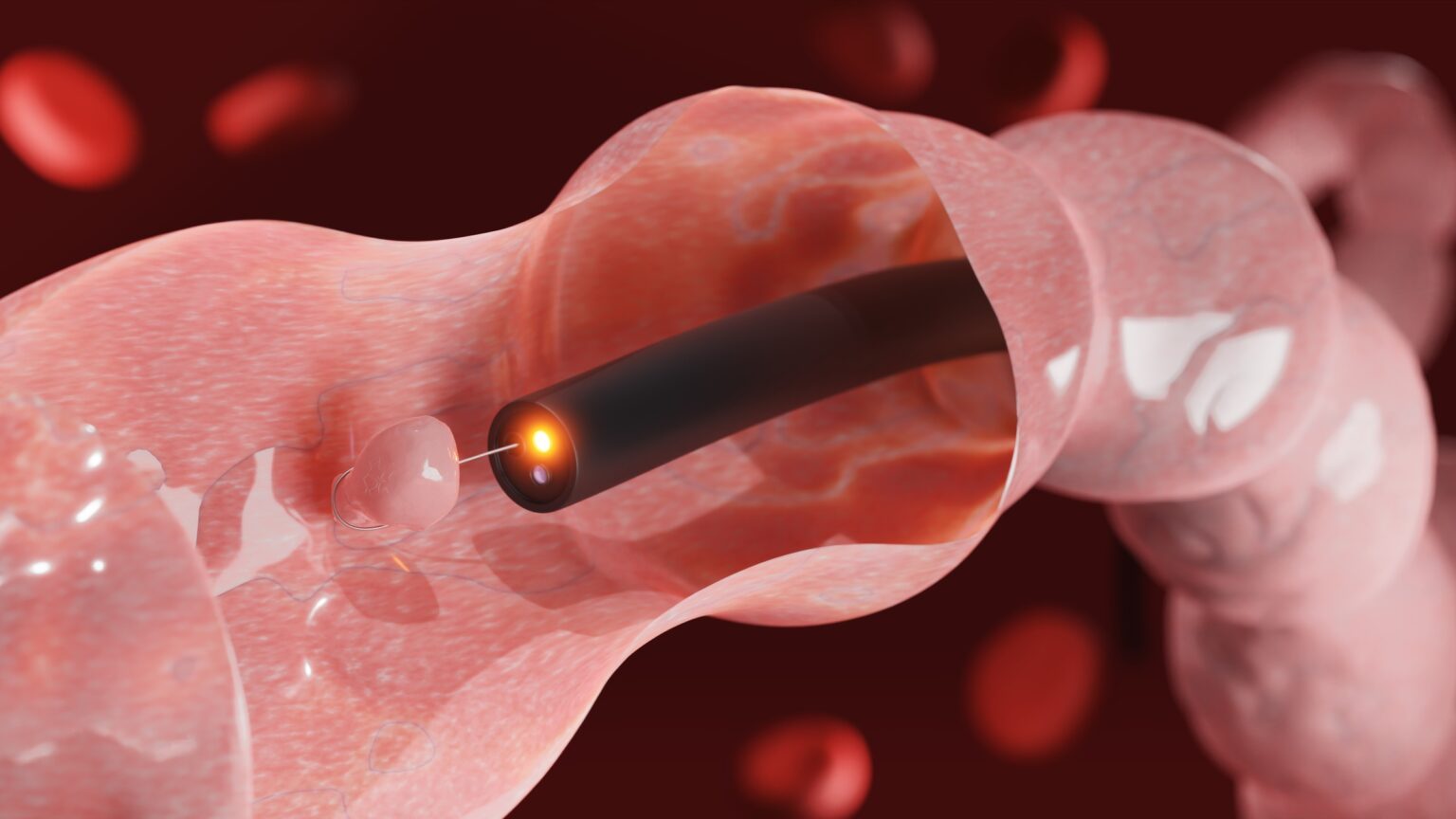
Medical illustration of a colonoscope inside the bowel, positioned beside a small polyp being removed with a wire loop.
February 27, 2026

Demographic and histologic factors influence risk of colon polyp recurrence

Vanderbilt Health study supports shift toward dynamic surveillance that extends monitoring for patients with specific demographic and histologic risk profiles.

Futuristic medical illustration showing a tablet with glowing DNA strands, three medicine vials, a syringe, a human figure, a DNA icon, and a magnifying glass on a digital blue interface.
December 3, 2025

Large-scale integration of genomics, proteomics and clinical records identifies cancer risk proteins and potential therapeutics

A new study identifies previously unreported protein biomarkers and candidate drug targets across six major cancer types and highlights approved drugs with potential cancer preventive effects.

Medical illustration of a colonoscope inside the bowel, positioned beside a small polyp being removed with a wire loop.
October 15, 2025

New NCI-funded project targets polyp recurrence to prevent colon cancer

The researchers anticipate that their findings will inform personalized colorectal polyp surveillance, guide therapeutic prevention strategies, and ultimately reduce the burden of colorectal cancer nationwide.

Person using a laptop with a stylized chatbot interface overlaid on the screen, including bot and user icons, message bubbles, typing indicator, and a “Send” button.
September 23, 2024

New evaluation system to render AI chatbots safe, empathetic

V-CARES will focus on detecting hallucinations, omissions and misaligned values in AI-generated responses on critical health topics.

Illustration of social media and chat connections, with profile silhouettes, speech bubbles, and colored message bars scattered across a blue gradient background.
April 21, 2022

When science spills onto social media

Vanderbilt researchers report that social media posts can offer insights into how the public feels about genome editing, with stances varying across platforms and differing from those of academics and policy makers.