


Research Archive — Page 33 of 138



-
May 17, 2024
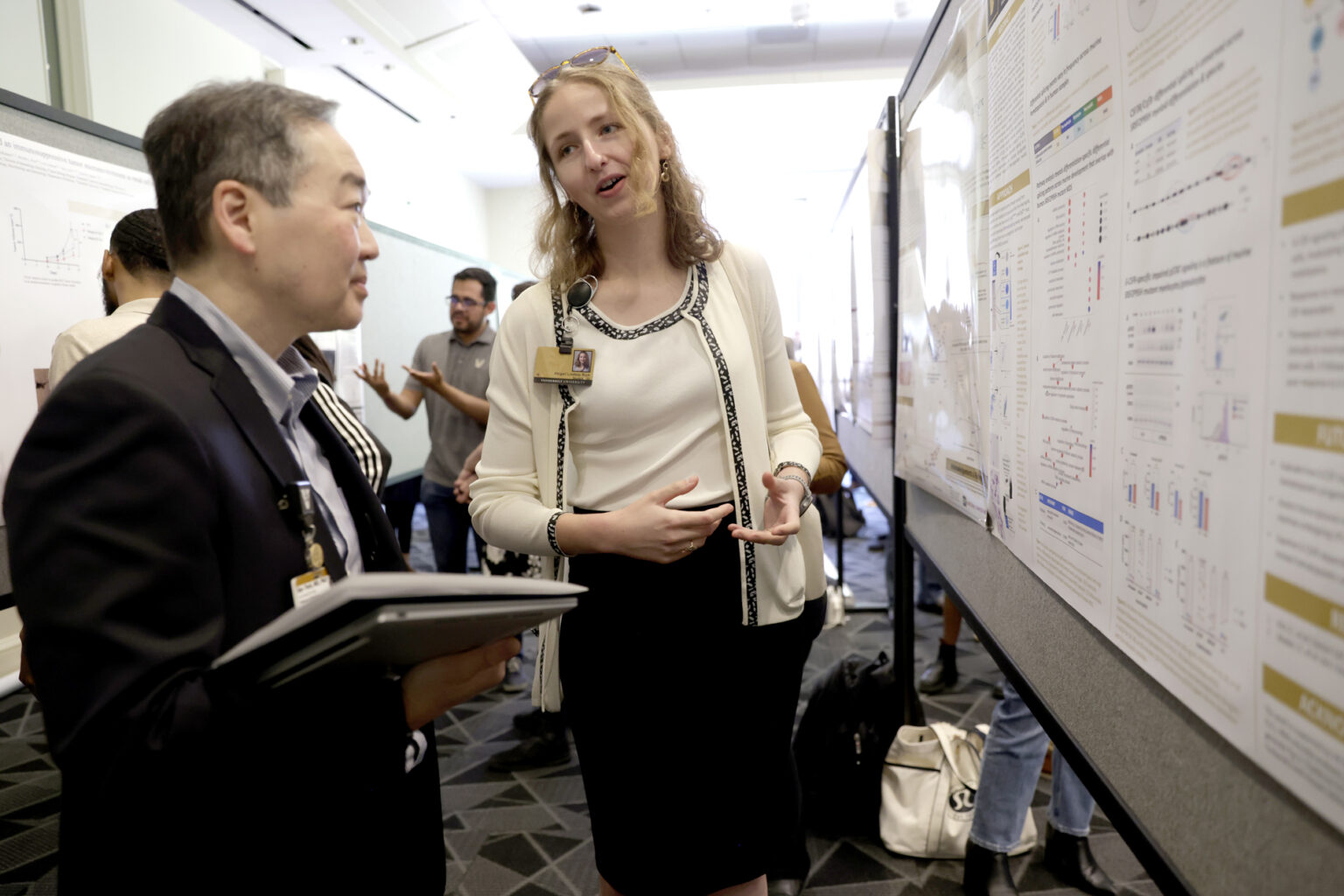
Six Vanderbilt Faculty Research Scholars named
Six junior faculty and postdoctoral fellows have been appointed this year to the Vanderbilt Faculty Research Scholars (VFRS) program at Vanderbilt University Medical Center. -
May 15, 2024
Treatment-resistant depression linked to body mass index: study
Genetic factors are a small but significant contributor to severe depression that does not respond to standard therapy, according to researchers at Vanderbilt University Medical Center and Massachusetts General Hospital. -
May 14, 2024
Breast cancer risk variants identified for women of African ancestry
A study led by researchers from Vanderbilt-Ingram Cancer Center sheds light on some of the genetic variants that make breast cancer more deadly for women of African ancestry and significantly reduces the disparity in knowledge for assessing their genomic risk factors. -
May 13, 2024
Training grant builds research ethics capacity for genetic and genomic research in Nigeria
The long-standing partnership between Vanderbilt Institute for Global Health (VIGH) and collaborators Aminu Kano Teaching Hospital (AKTH) and Bayero University (BUK) is poised to address the growing demand for research in precision medicine in Africa. -
May 8, 2024
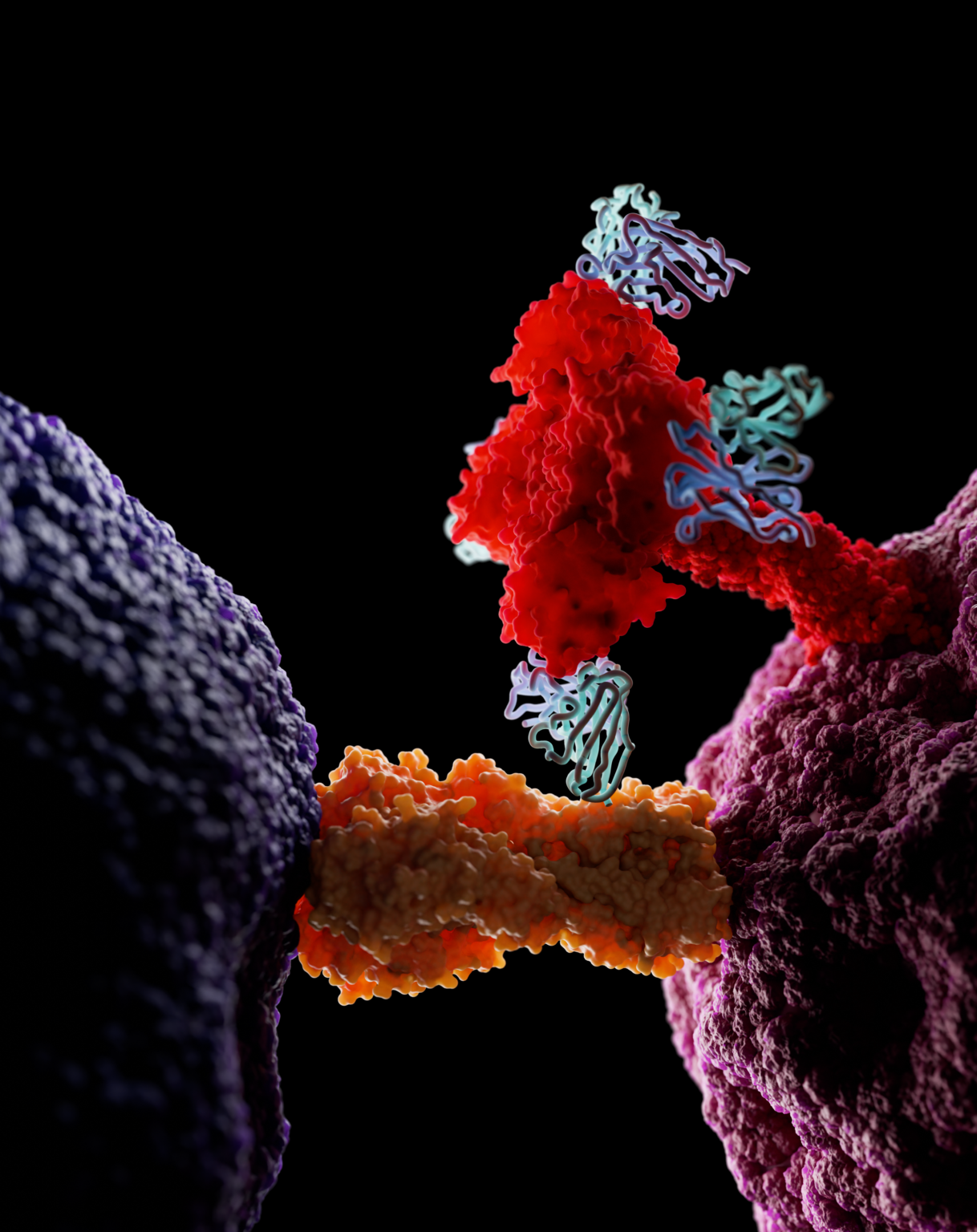
Supercomputing redesign of a COVID monoclonal antibody
The approach, which combines high-performance computing, simulation, machine learning and experimental validation, will help keep antibody drugs up to date in the future against highly variable viruses. -
May 7, 2024
Study seeks to evaluate military exposures on veterans’ lung cancer risk
A prospective cohort of veterans including those with military toxic exposures, such as burn pits, will be screened annually with low-dose chest CT to detect lung cancer and other disease early. -
May 6, 2024
Second-most used herbicide in the US linked to birth defect in national study
At present, 44 countries, including the European Union, have banned or are phasing out atrazine due to concern for its negative effects on human health.