


Research Archive — Page 36 of 139



-
April 16, 2024
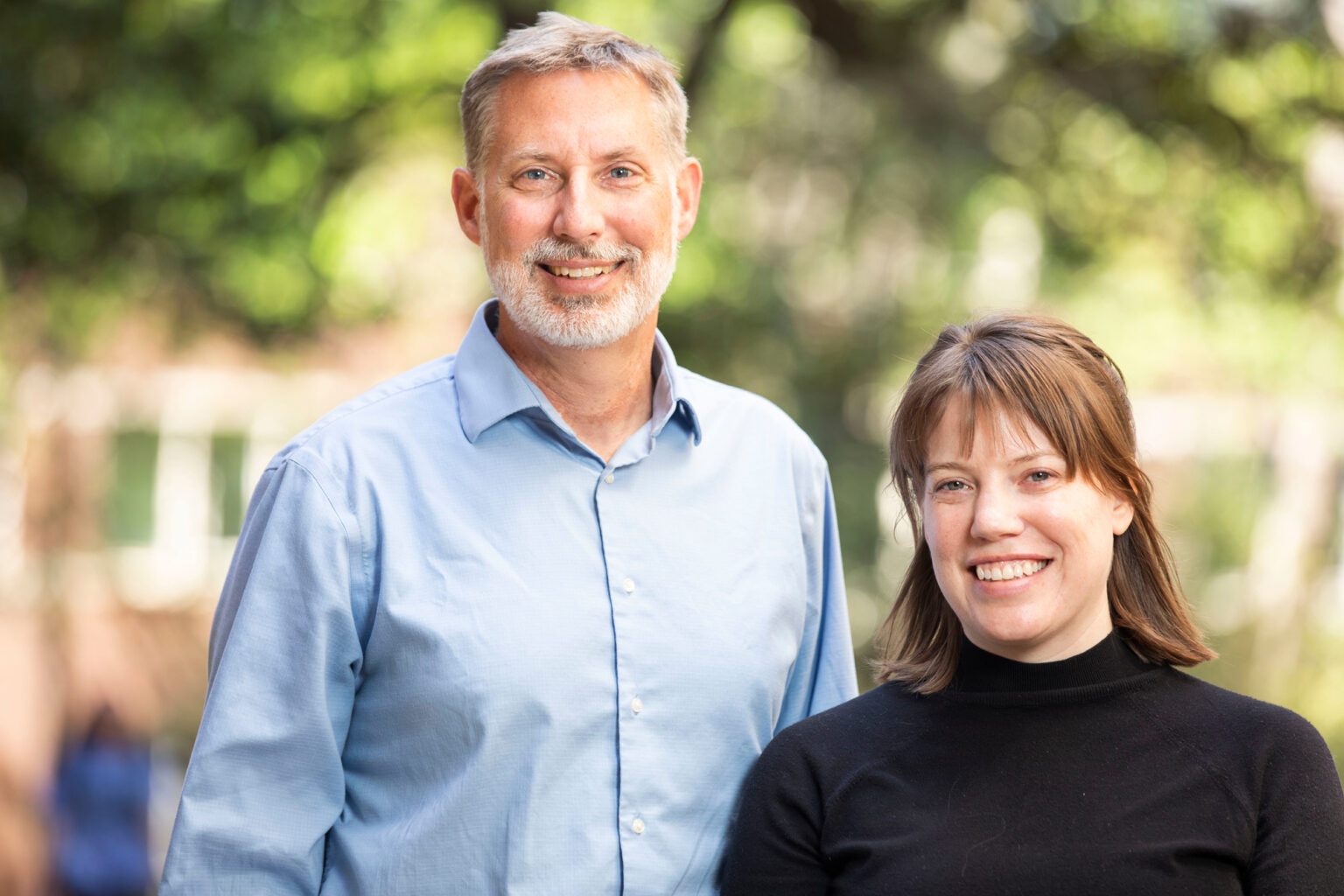
Unsung Zeros: How biostatistics advances personalized health in the era of smart data
VUMC is acrawl with statistical design, bias detection and analysis that’s recognized with $532 million in federal and nonfederal research support. -
April 15, 2024
Mariana Byndloss receives FASEB Excellence in Science Award
The annual awards highlight outstanding achievements by women in the biological sciences. -
April 11, 2024
Paul Harris honored for achievement in translational research
Transformational scientific achievement in bench-to-bedside translational research forms the criterion for the ACTS Edward H. Ahrens Jr. Distinguished Investigator Award, given annually by the Association for Clinical and Translational Science. -
April 9, 2024
Heart disease, depression linked by inflammation: study
Coronary artery disease and major depression may be genetically linked via inflammatory pathways to an increased risk for cardiomyopathy, a degenerative heart muscle disease, researchers at Vanderbilt University Medical Center and Massachusetts General Hospital have found. -
April 5, 2024
Eunyoung Choi’s gastric cancer research merits AACR-Debbie’s Dream funding
Ongoing research by Eunyoung Choi, PhD, into how cells transform into abnormal versions of themselves that are the precursors to stomach cancer has received support from the American Association for Cancer Research. -
April 4, 2024
Tick bites and alpha-gal syndrome focus of $3.5M research grant
Vanderbilt's Scott Smith, MD, PhD, has been awarded a five-year, $3.5 million grant from the National Institute of Allergy and Infectious Diseases, part of the National Institutes of Health, to study the human immune response to tick bites and its role in preventing tick-borne illnesses. -
April 3, 2024
Excess salt linked to heart disease deaths in low-income group: study
Excessive consumption of dietary sodium likely was responsible for up to 30% of cardiovascular disease-related deaths among mostly low-income participants in a large cohort study conducted by Vanderbilt University Medical Center.