



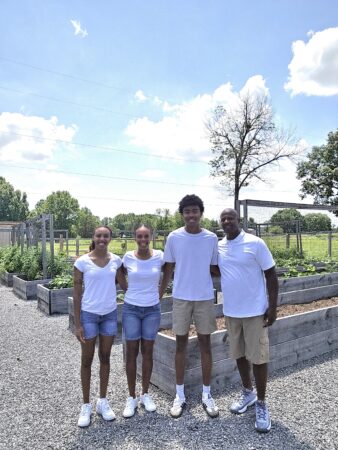
Alex and Shené Scott of Lebanon, Tennessee, upended their family’s dietary choices when their son was diagnosed with Type 1 diabetes. Then as their health journey led them into gardening and farming, the disconnect between dirt and fork in their community stood out.
Now, the Scott’s organization, Vine Branch Fellowship, maintains three school gardens in Lebanon Special School District and a community garden, along with more than 20 aeroponic tower gardens growing inside classrooms across Wilson County.
“We didn’t grow up with gardens though, so we come in fresh,” Alex Scott said.
The message is simple. You don’t need swaths of land or a particularly green thumb.
“You can grow something in a pot, in a bucket, on a patio or balcony,” said Shené Scott. “When the children put their hands in the dirt, they’re more apt to eating the food, and we’ve seen that over and over again. One parent said, ‘My kid would never try anything new. My kid said he didn’t like bell peppers. He likes bell peppers now because he picked one from his school garden.’”
A Changing Landscape
In 2023, a Vanderbilt Child Health Poll conducted among parents in Tennessee found that 41% of families reported food insecurity in the past year, a 10-point jump from the prior year, said pediatrician Cristin Fritz, MD, MPH.
Parents’ concern about whether enough food is at home continues. A 2026 Vanderbilt Child Health Poll found that about 3 in 10 families worry whether the food they have on hand will be harmful to their families’ health — stark findings for a state known for lush landscapes and a deep-rooted culture of farming. The prevalence is attributed to several factors, including the sunset of COVID-era relief programs and successive events that hit people at the grocery checkout, researchers said.
For Fritz, these results are clinically worrisome. Food-insecure families are more likely to develop obesity than to be underweight because families stretched financially thin tend to reach for calorie-dense, less nutritious options, setting the stage for diabetes, hypertension and heart disease across a lifetime, she said.
“The right foods, enough food, a way to get it that maintains dignity and choice for families,” Fritz said, “is so closely tied to health really throughout the lifespan, both physical and mental.”
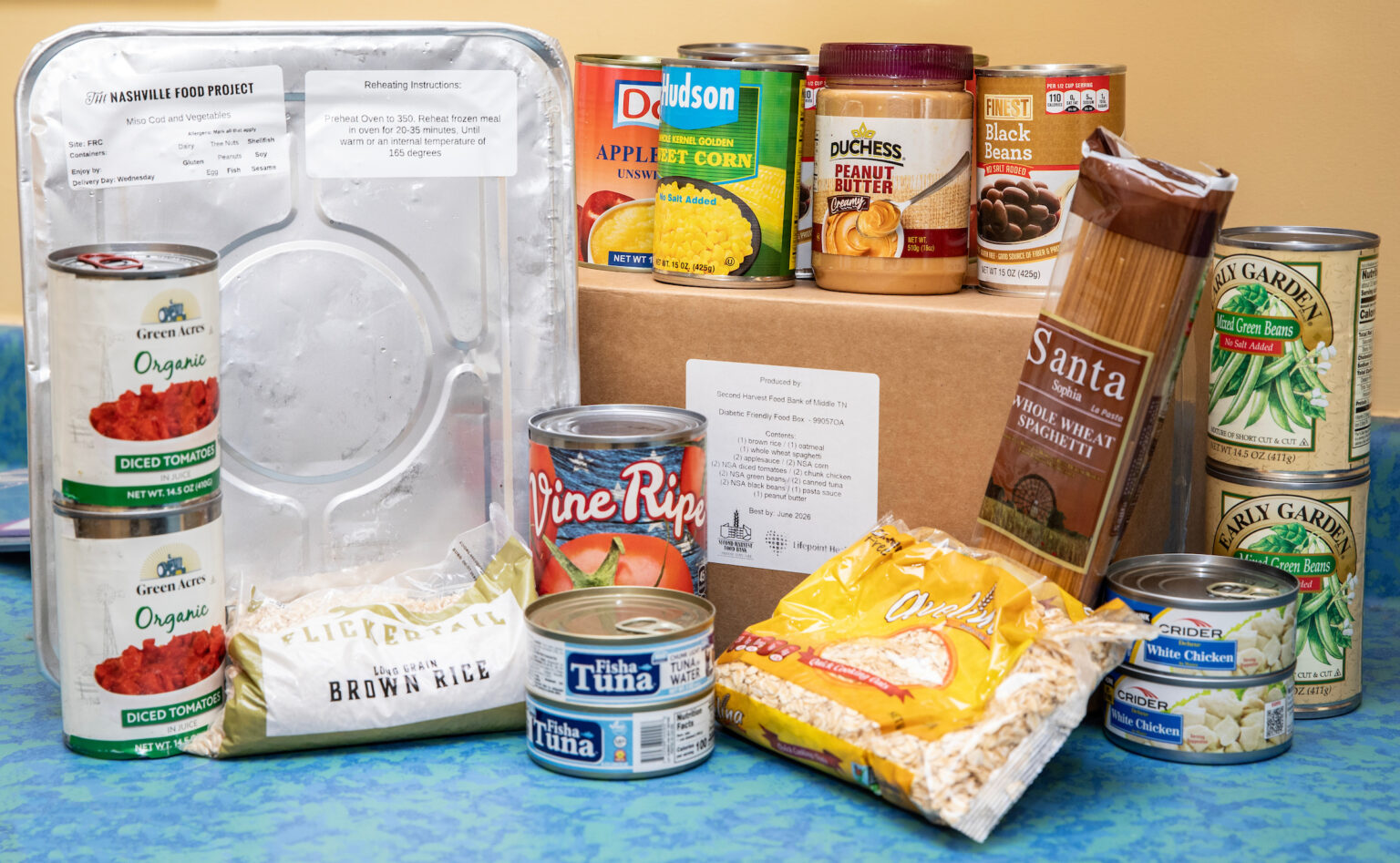
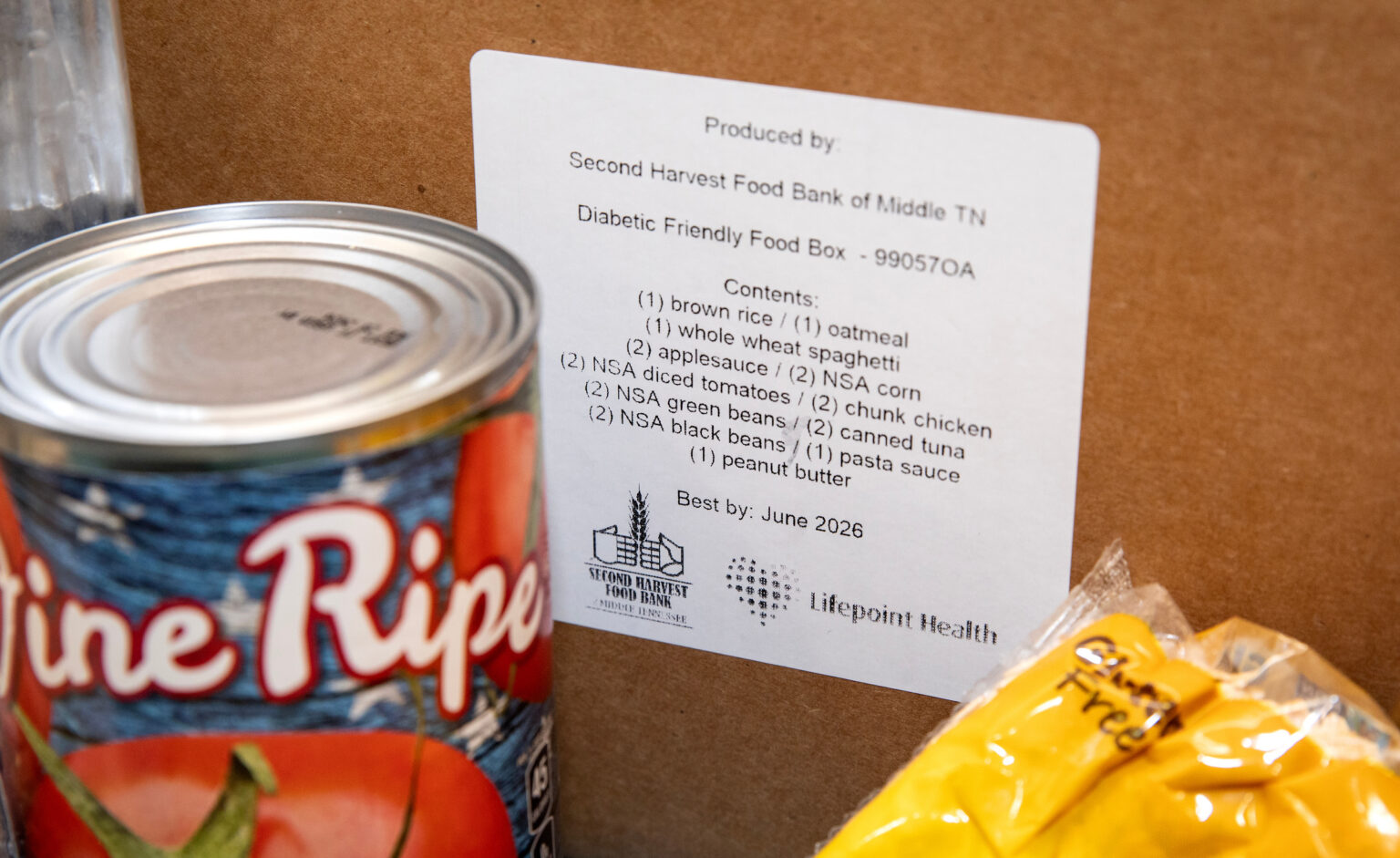
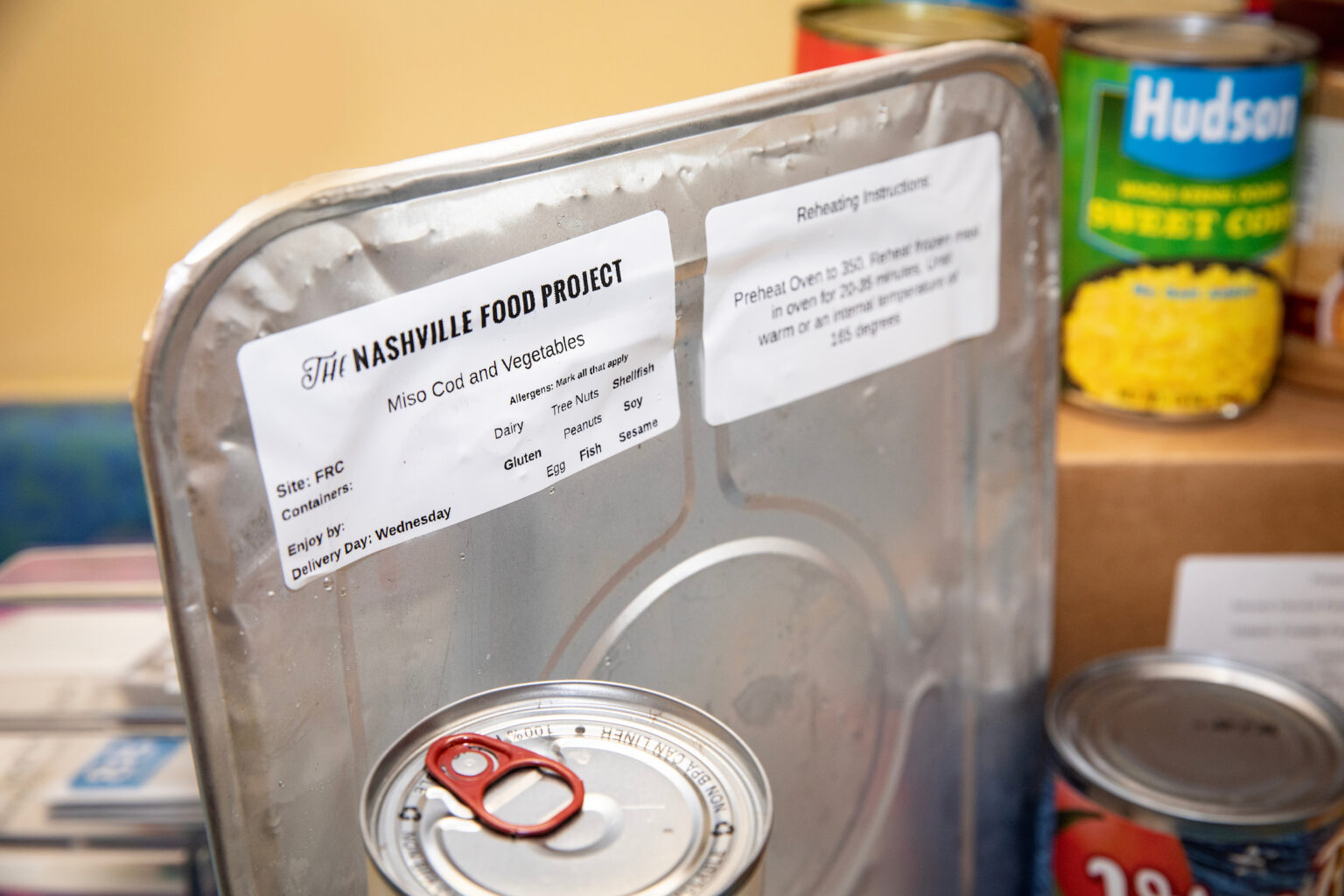
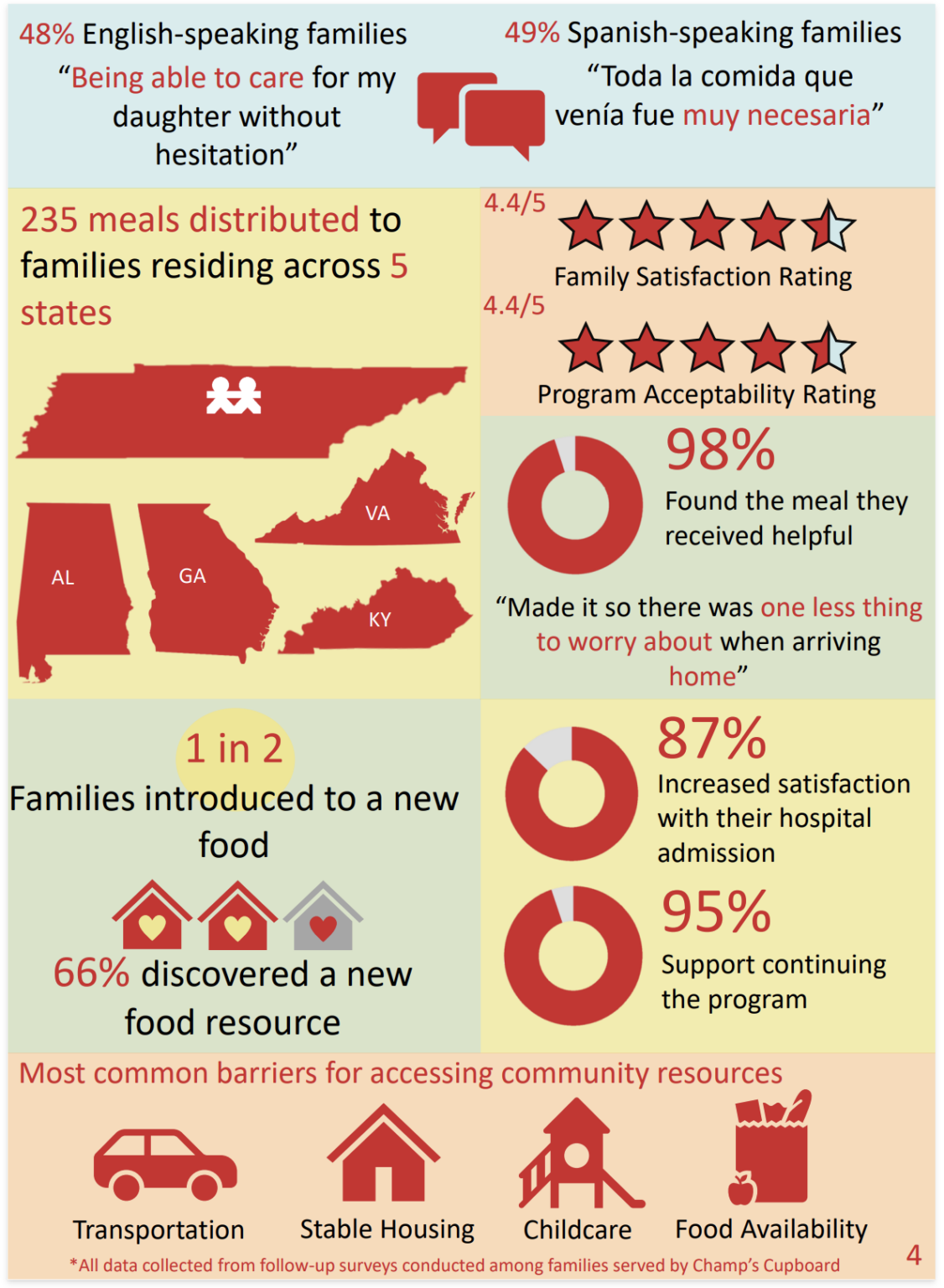
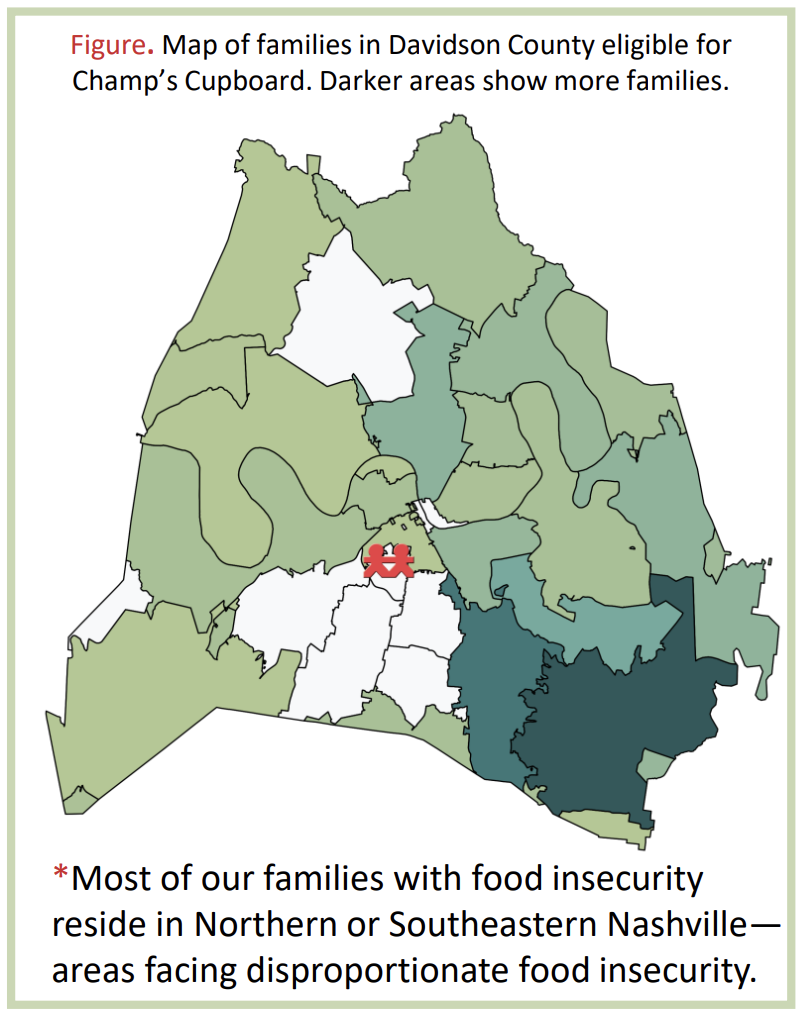
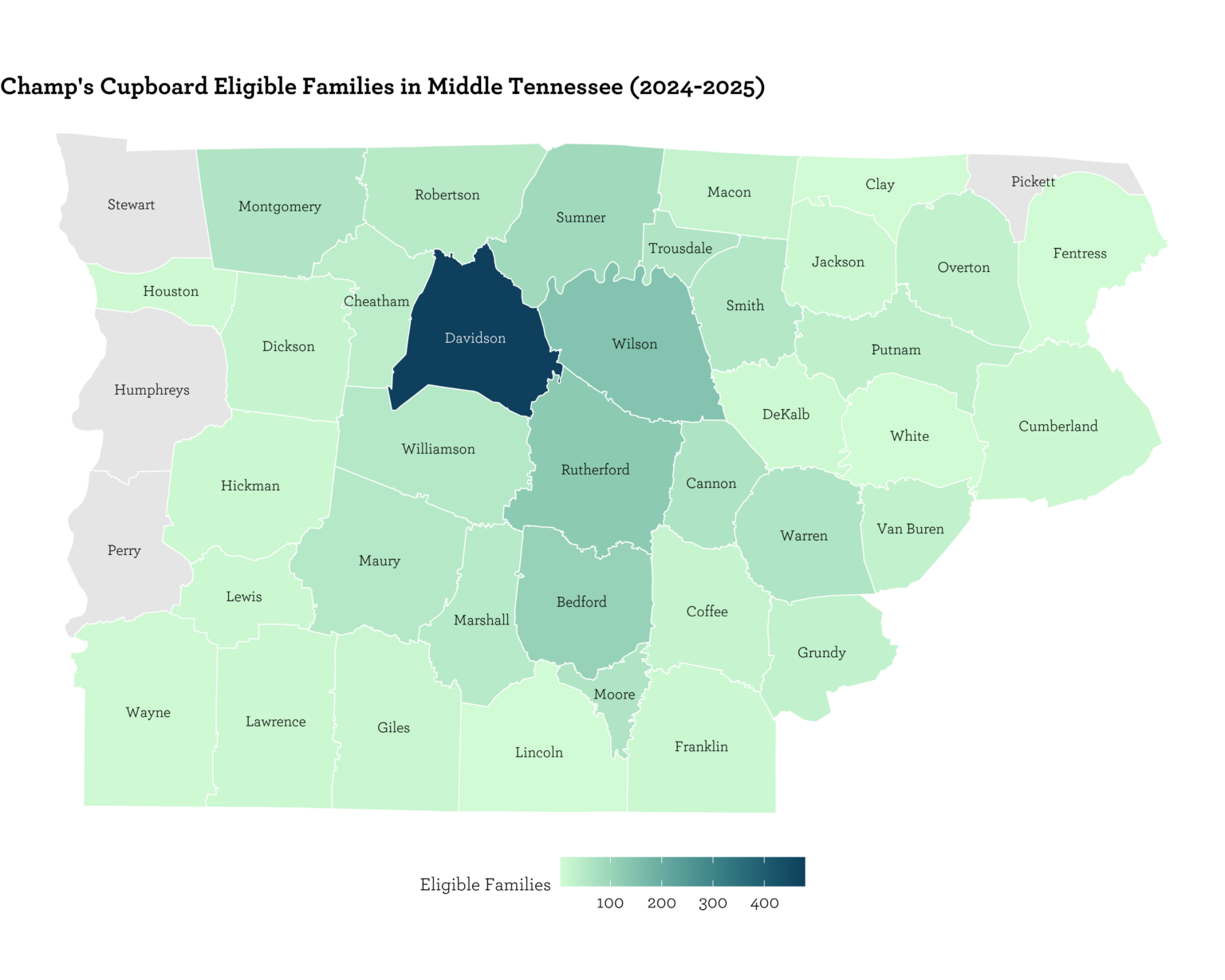
Fritz leads a Vanderbilt Health and a community network coalition in an effort designed to reduce, even if briefly, the stress that comes with wondering about the next meal. Families get screened for food insecurity at admission across to Monroe Carell Jr. Children’s Hospital at Vanderbilt, and those who qualify receive a ticket for a meal from Champ’s Cupboard, which offers shelf-stable boxes and frozen meals.
From Farm to Monroe Carell
Families, however, made the same observation about Champ’s Cupboard that the Scotts did about Lebanon. Fresh fruits and vegetables were missing, said Marie Holzer, MSW, Director of Vanderbilt’s Rooted Community Health. Fresh produce is more expensive than canned or frozen food and largely absent from Champ’s Cupboards’ stock.
Holzer had been working to close that gap for years, but getting fresh food into a health care setting is not simple. Federal rules cap how much hospitals can spend per patient each year on this kind of support, a guardrail against health systems using it to compete for patients.
A breakthrough came when Holzer met Russell Stewart, a Vanderbilt University medical student who grew up on a farm in Colorado. He was involved with VEGI, the Vanderbilt Educational Garden Initiative, and invited Holzer to be a guest speaker. Over time, their partnership grew into the Food Recovery for Underserved Individuals in Tennessee, or FRUIT, initiative, so medical students could collect surplus community-supported agriculture, or CSA, shares from local regenerative farms and route them to Champ’s Cupboard and Shade Tree Clinic. Stewart brought in law students to structure a way for the farms to count the produce as donations.
Before graduating in May, Stewart secured two years of funding from Henry Laird Smith Foundation — established by his great-grandfather, himself a Vanderbilt alumnus — to purchase weekly produce shares from the Welcome Garden, a nonprofit farm affiliated with St. Augustine’s Church.
Beyond the Hospital Walls
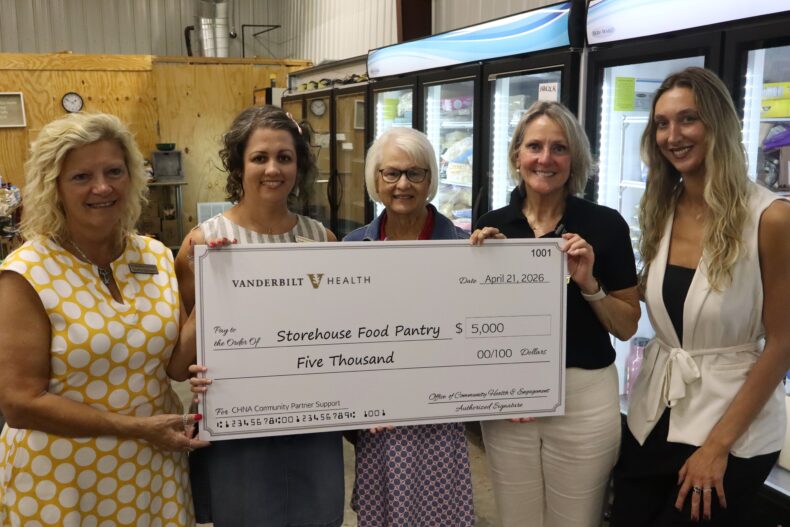
The work-arounds and community relationships are part of what Fritz describes as a tapestry effort because no one organization has the answer. Setting up a scalable program requires local knowledge and creative, logistical collaboration to round up the produce, the capital and the families.
Vanderbilt Health, like other health systems, conducts a Community Health Needs Assessment, commonly called a CHNA, to analyze what is vital to making people healthier in the region. Food security is a prime example of a priority that keeps surfacing, said Jane Freedman, MD, Chief Health System Officer and Deputy CEO. Hospitals are required to conduct the survey but not necessarily required to take action, she said.
However, Vanderbilt Health’s philosophy is that the institution needs a way to support patients when they reveal that food is a struggle. Yet, it’s a hospital system not a food bank, so it looks to partners.
“We are a health care organization. We’re not a food bank, and we can’t solve everything. But if we’re giving people connections to resources, we need to also help support those resources. Our patients aren’t going to get better — the children aren’t going to get better — if they aren’t getting food, if they’re not getting healthy meals,” Freedman said.
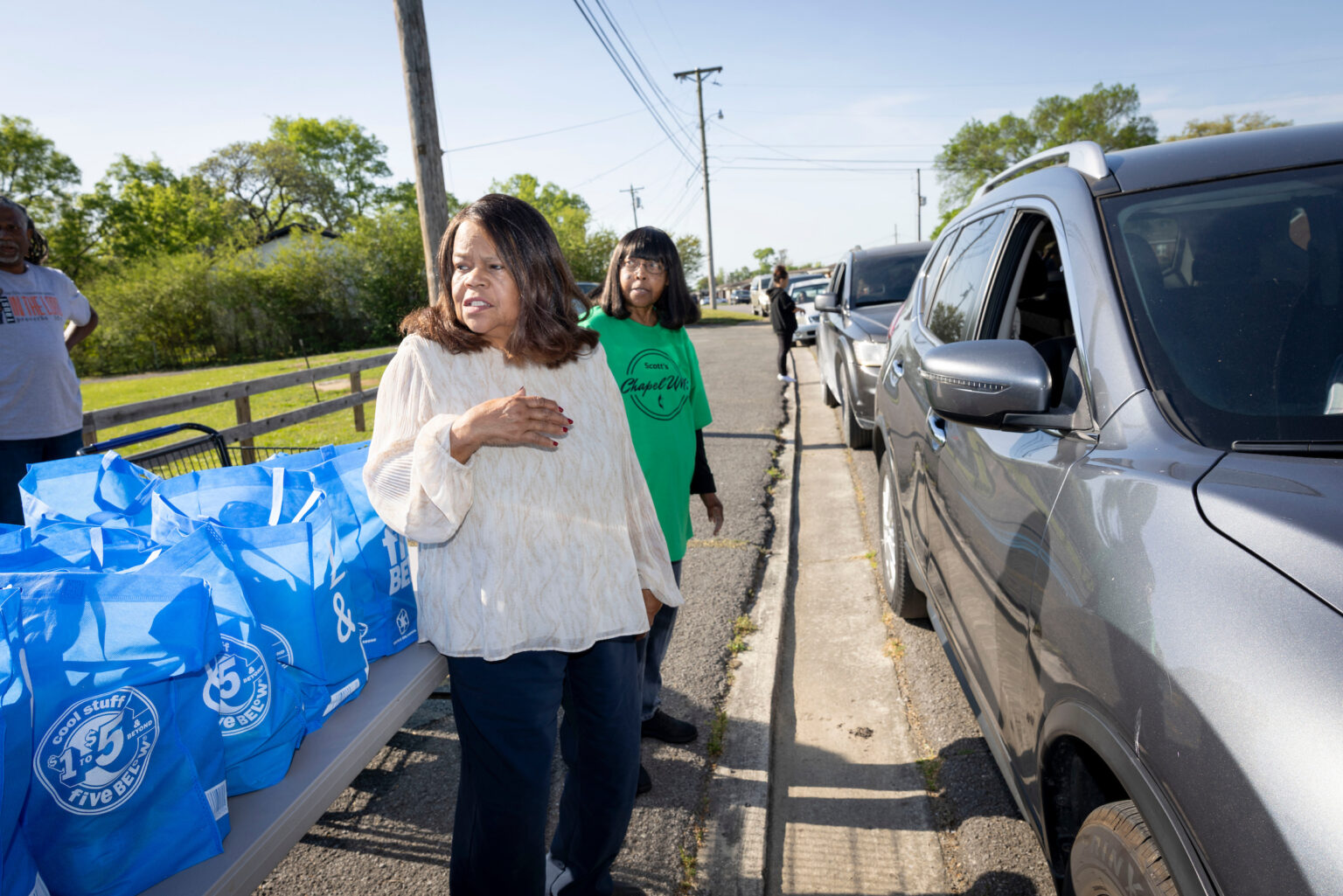
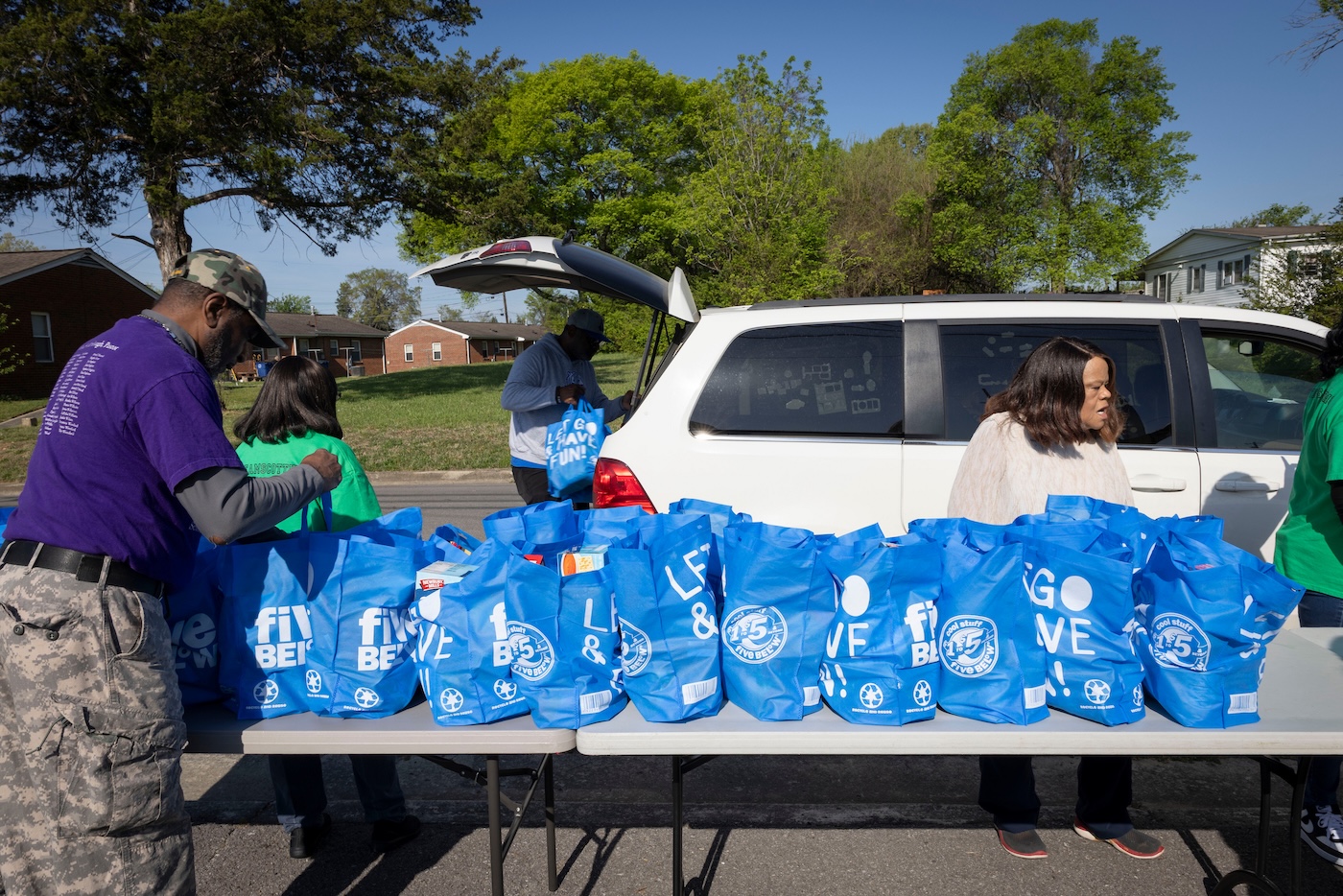
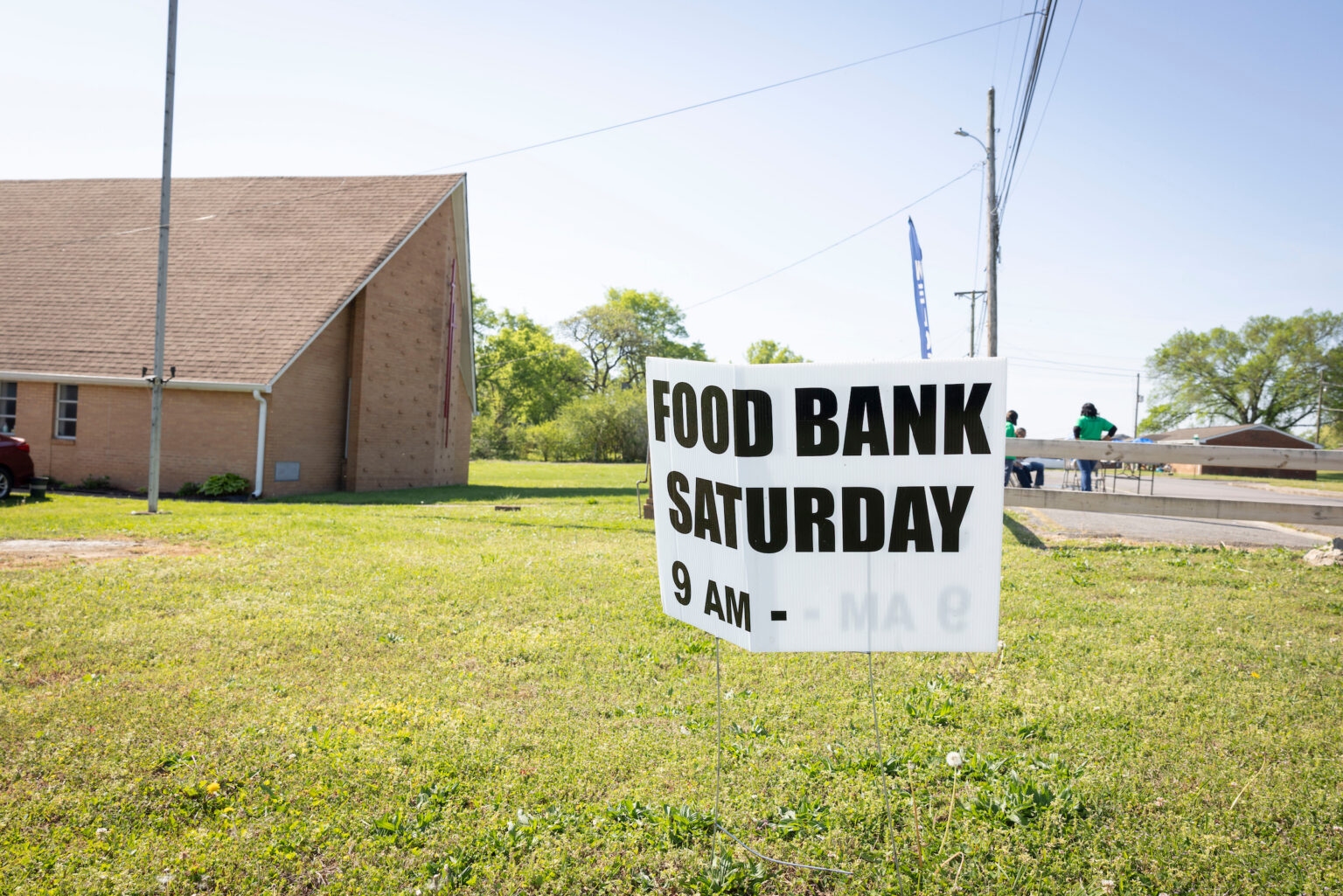
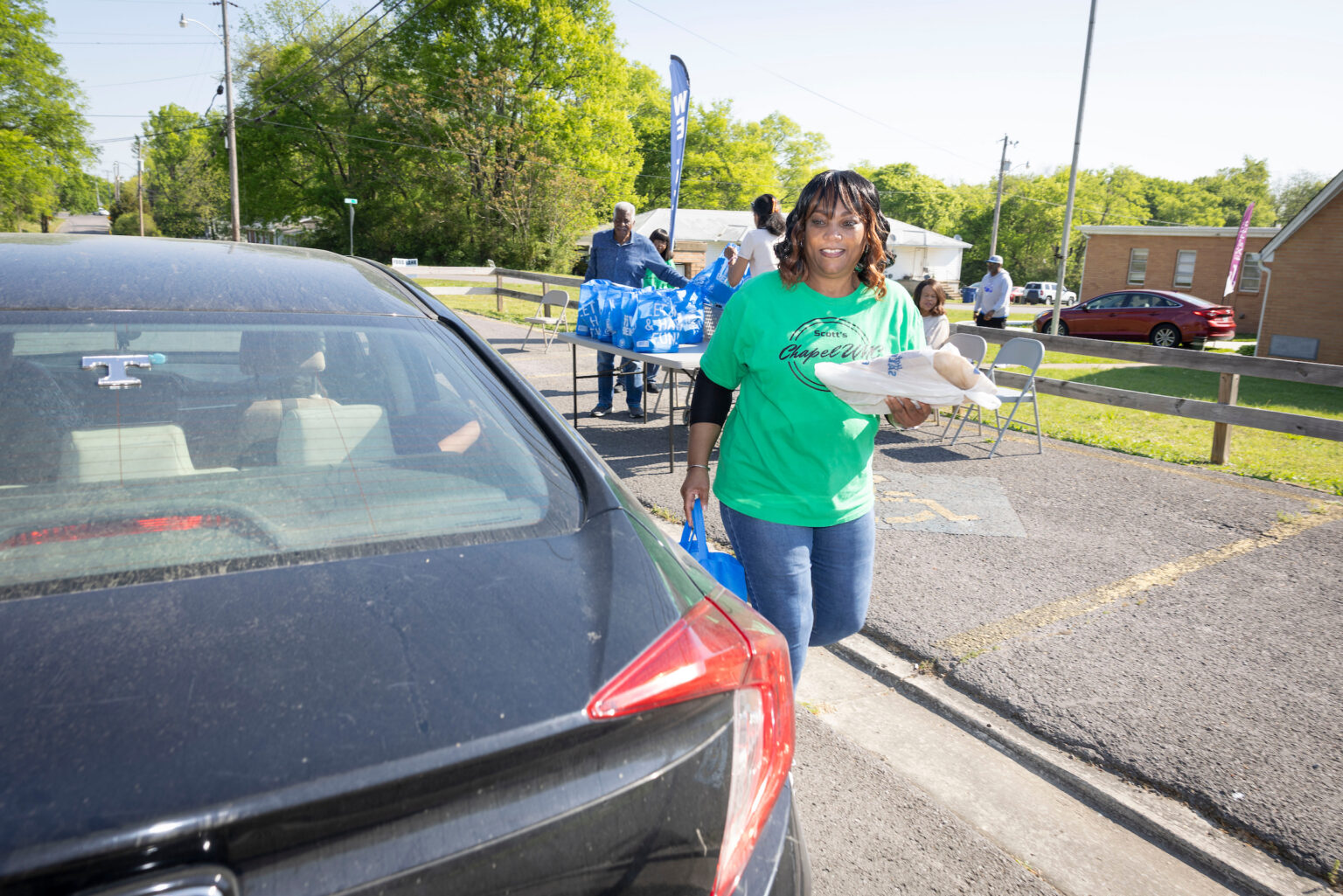
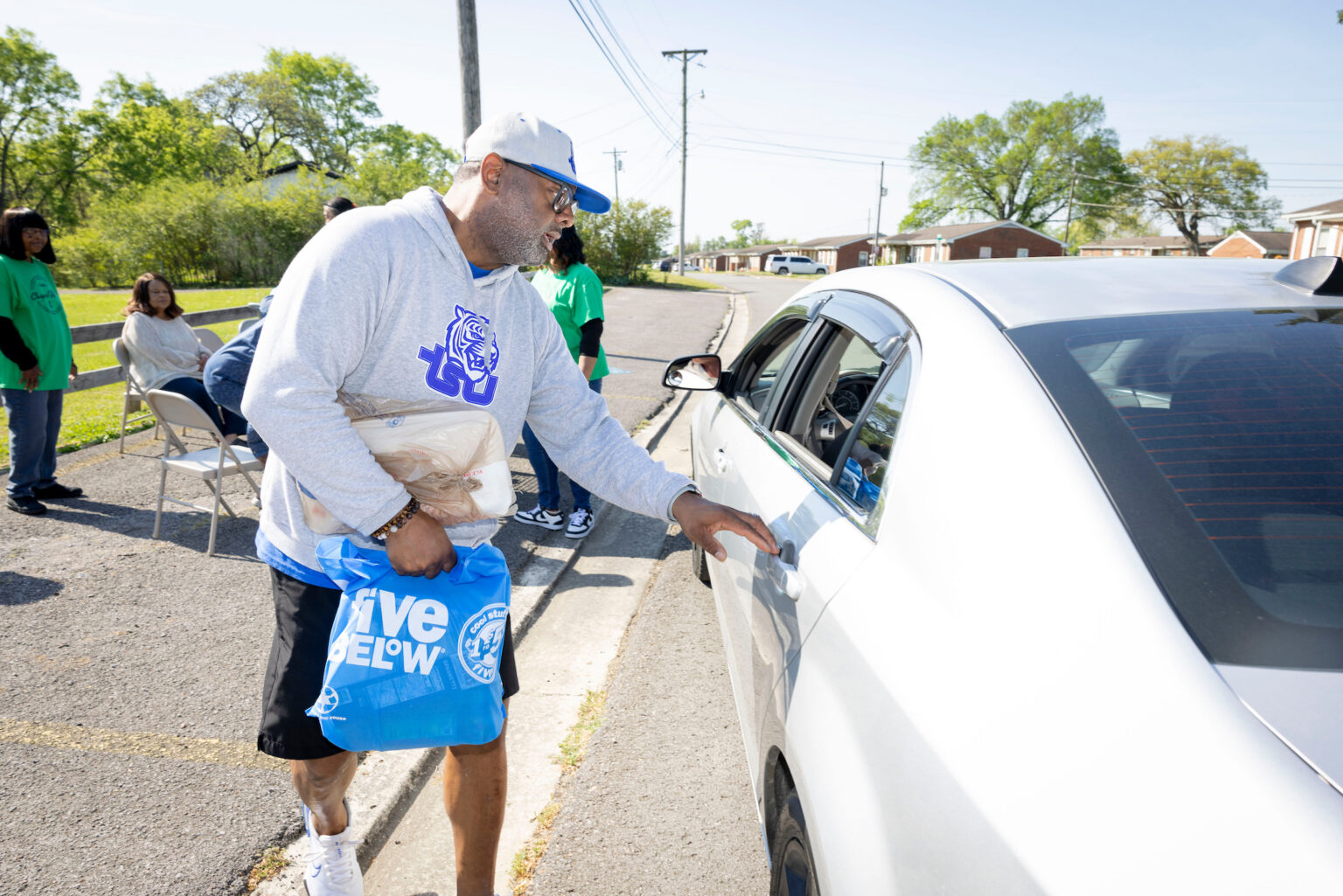
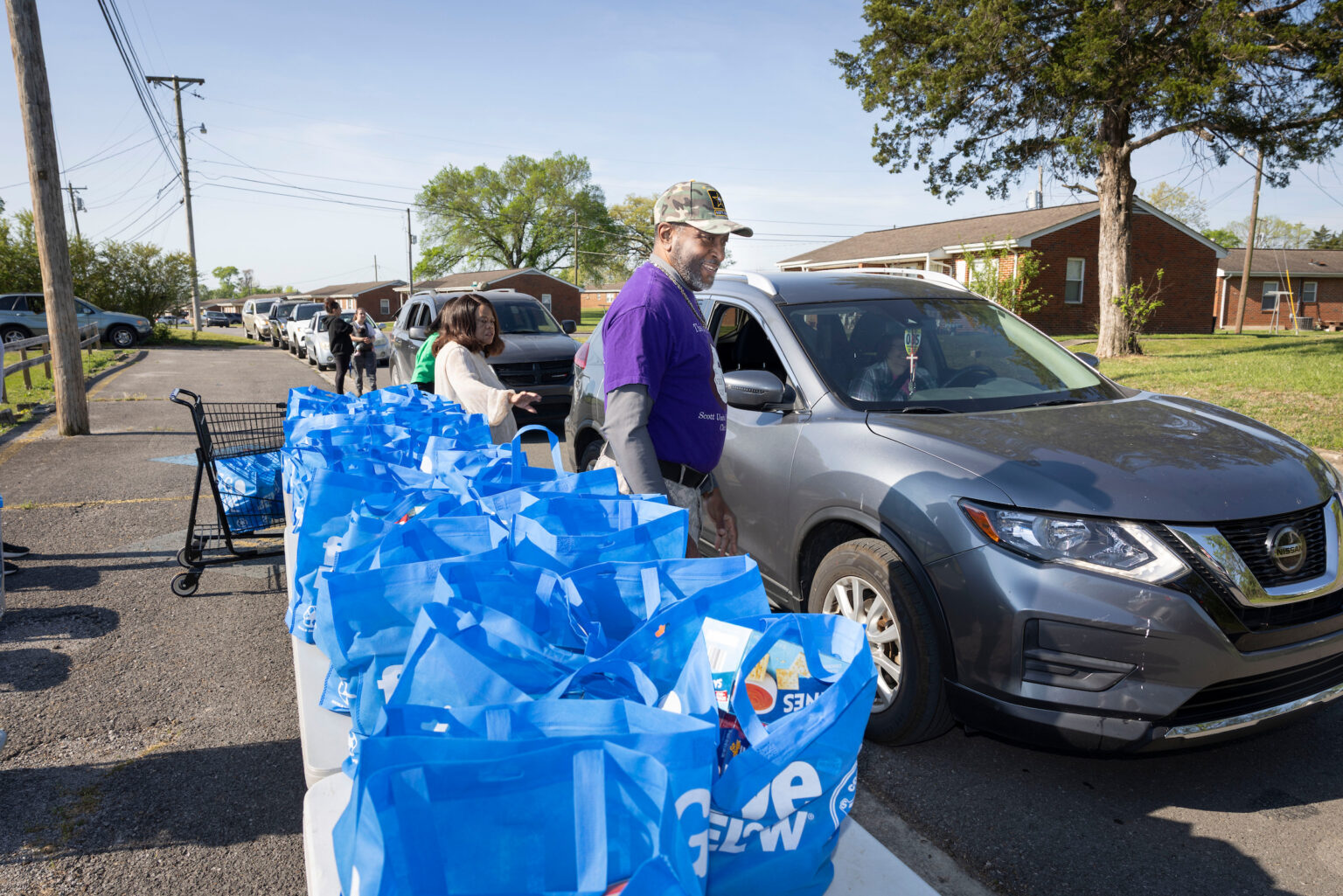
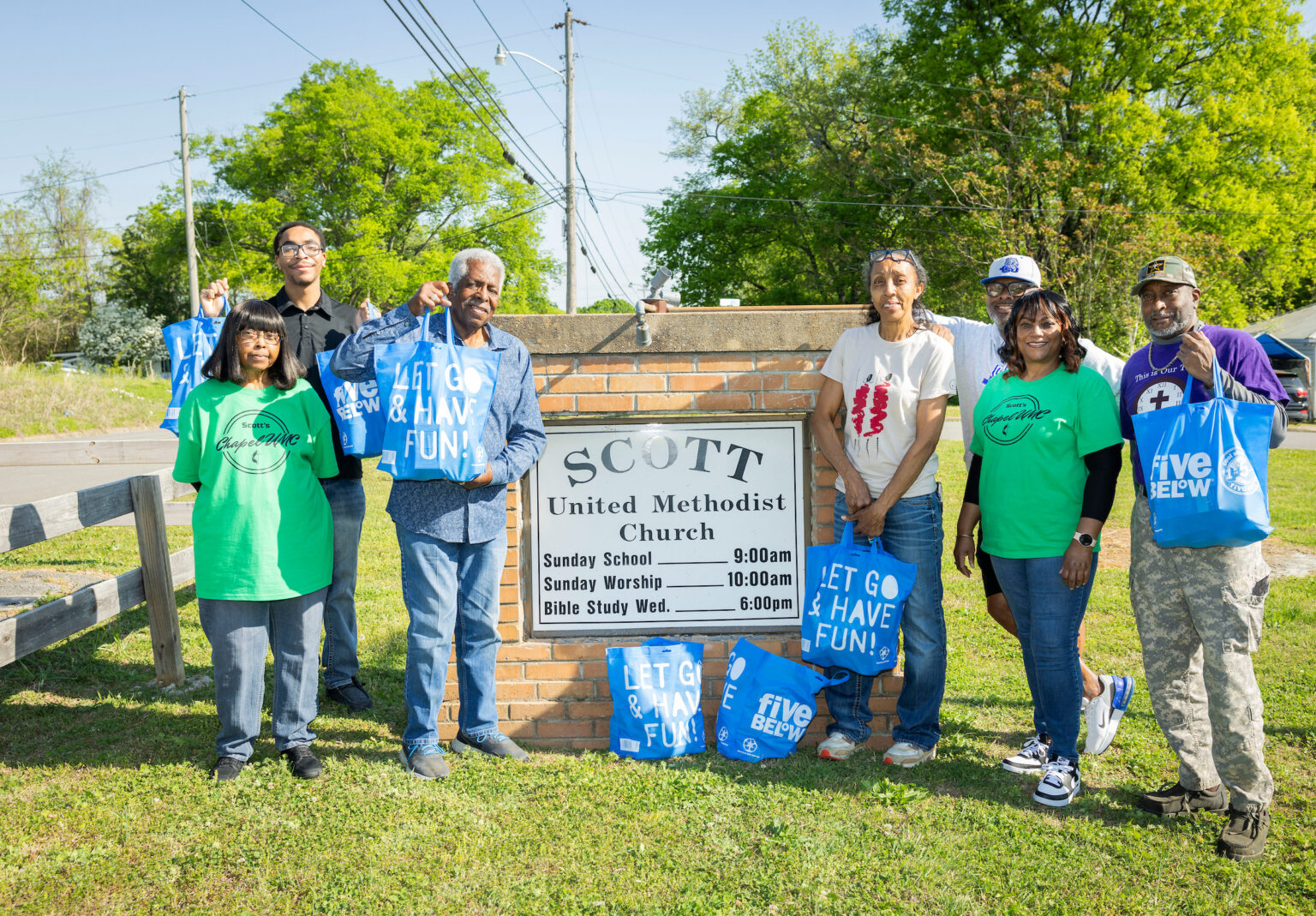
Vanderbilt Health supports Vine Branch’s work alongside food initiatives around the Midstate. In Bedford County, on the second Saturday of every month, Rev. Virginia Yeargins is busier than usual because she and her sister distribute the food boxes they’ve curated and prepared for the monthly “Seasoned with a Touch of Salt” food pantry events.
Yeargins, who leads Scotts Chapel United Methodist Church in Shelbyville, knows the need is real among her neighbors, and that it takes a community to build health together.


