



 Photo by Susan Urmy
Laura Nasca was in the homestretch of her planned treatment for breast cancer last year when her oncologist offered something new: a blood test to look for circulating tumor DNA — tiny fragments of genetic material that could reveal the presence of lurking cancer cells.
The results surprised Nasca and her doctor, Ben Ho Park, MD, the Benjamin F. Byrd Jr. Professor of Oncology and director of Vanderbilt-Ingram Cancer Center.
At the time of her diagnosis, Nasca had two distinct breast cancers: HER2-positive and HER2-negative (HER2 is a protein that helps control cell growth). She had completed therapy for the HER2-positive tumor and was continuing treatment for the HER2-negative cancer when the blood tests were ordered (two tests were performed; one for each tumor).
Not only did the tests detect circulating tumor DNA (ctDNA), but they showed that it was from cancer cells that were HER2-positive. Park changed Nasca’s treatment, and after six months, ctDNA was not detectable in her blood.
“We caught it early, and we were able to change the drugs and get me on what I needed,” said Nasca, who lives in Franklin, Tennessee. “This saved my life. If I had not had that test and just continued treatment for HER2-negative cancer, the HER2-positive cancer would have probably gone to my brain — and fast. We caught it at a very, very low level, before it was able to attack other organs.”
This is one of the hoped-for ways that ctDNA testing might change cancer care, Park said. Instead of waiting for clinical signs that early-stage cancer has recurred after initial treatment (and if found to be metastatic, it would no longer be curable), it might be possible to detect — and treat — remaining stray cells, with the opportunity to still cure these patients. And the absence of ctDNA could signal that no further treatment is needed, sparing patients from toxic side effects and giving them peace of mind.
“It’s still early; there are a lot of caveats, and the studies will take time,” said Park, a pioneer in the field of ctDNA testing. “I think we’re going to get there — to routinely using ctDNA testing to treat each patient as an individual rather than based on population studies — and that’s going to be a big paradigm shift.”
Liquid biopsies
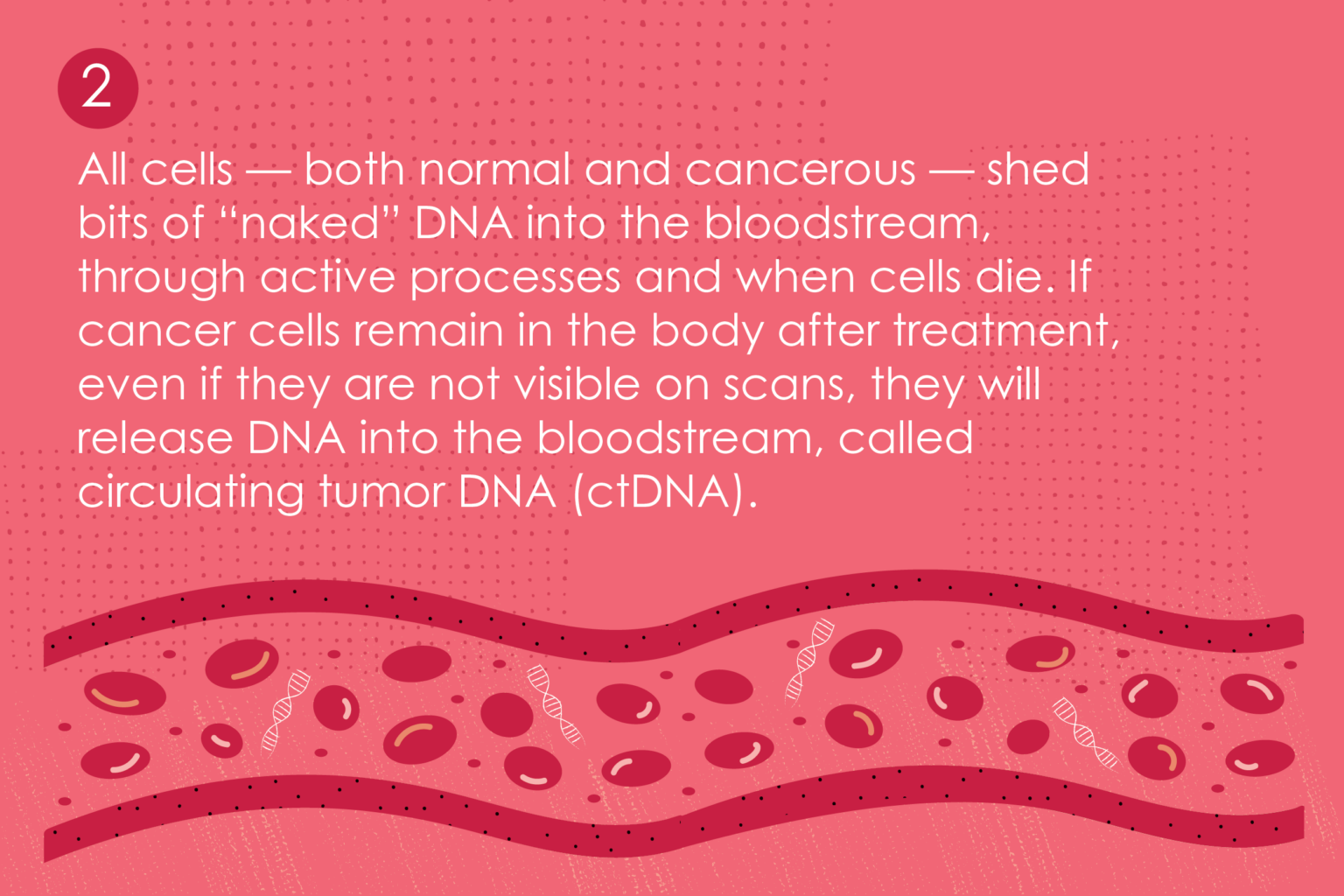
All cells — both normal and cancerous — shed bits of “naked” DNA into the circulation, through active processes and when cells die. Scientists have known for decades that cell-free DNA is present in the blood, but technologies to detect it and to distinguish whether it comes from normal cells or cancer cells have only been available for about 15 years, Park said. These technologies detect tumor-specific characteristics, such as genetic mutations or DNA modifications.
Cell-free DNA testing is now used in prenatal screening for genetic anomalies, transplant monitoring for organ rejection, and as part of “liquid biopsies” to identify genetic mutations in ctDNA and help guide targeted therapies for cancers. Liquid biopsies offer a more complete picture of a cancer, since they detect ctDNA released from the entire tumor and sites of metastases, while traditional tissue biopsies sample limited areas and can miss tumor heterogeneity.
Liquid biopsies can also be used for real-time monitoring of treatment response and early detection of resistance, particularly in patients being treated for metastatic disease.
“Mutations can change over time,” said Vandana Abramson, MD, MS, the Donna S. Hall Professor of Breast Cancer and co-leader of the Breast Cancer Research Program at Vanderbilt-Ingram. “A patient with metastatic breast cancer being treated with an aromatase inhibitor might develop a new mutation in the ESR1 gene after two to three years on treatment. That mutation can lead to resistance to the aromatase inhibitor, making it less effective. We have drugs that target ESR1-mutated cancers that could be a better option for those patients.
“More studies are needed, but evaluating circulating tumor DNA gives us a way to follow patients longitudinally and look for new targetable mutations.”
As liquid biopsies to detect mutations became more common and technologies with increased sensitivity emerged, Park found himself wondering whether ctDNA could be used as a quantitative measure (is it present and at what levels) in patients with early-stage breast cancer.
“I had this light bulb moment 15 years ago,” Park said. “Do you have ctDNA after curative-intent therapy for breast cancer or not, meaning: Are you cured, or are you not cured?”
Cancer treatment conundrum
Breast cancer is the most common cancer diagnosis and the second leading cause of cancer death in women in the United States, according to the National Cancer Institute.
About 2 in 3 breast cancers are diagnosed at a localized stage, before the cancer has spread outside the breast, and 25% are diagnosed at a regional stage, where the cancer has spread to nearby lymph nodes but is not considered metastatic.
“There are many patients with early-stage, nonmetastatic breast cancer who are curable, and based on large population studies, we put them through the wringer, because we want to cure everyone,” Park said.
After surgical removal of a breast tumor, about 30% of patients with nonmetastatic disease are at risk of recurrence.
“So, 70% of the patients who are already cured are getting chemotherapy, endocrine therapy and other treatments for no reason — other than the fact that we don’t know who those patients are,” Park said.
“That’s where the conundrum has come in for breast cancer and now other cancers too; we’re almost a victim of our own success because we keep adding more therapies that cure another small percentage of patients, and those therapies get added to the standard of care.”
Imagine, Park said, having a test that could determine which patients are already cured after breast cancer surgery or other initial treatments.
“The peace of mind that could give a patient by itself is priceless,” he said. “And think about the clinical trial designs of the future: We wouldn’t have to enroll everyone; we could enroll only the small group of patients who still have cancer cells in their bodies.
“I liken ctDNA testing to a microscopic CT scan. It’s a diagnostic tool, but unlike a CT scan, which can only pick up macroscopic disease, this tool can pick up microscopic disease and tell us whether a patient has cancer still, or not.”
Ben Ho Park
Game-changing blood test
In 2015, Park and other investigators in the national Translational Breast Cancer Research Consortium launched a clinical study to evaluate ctDNA in patients being treated for nonmetastatic stages 2 or 3 HER2-positive or triple-negative breast cancer (which lacks hormone receptors and HER2). Patients with these types and stages of breast cancer typically receive preoperative (neoadjuvant) therapy. If they have no detectable disease at the time of surgery, they are considered to have had a “pathologic complete response.”
The study enrolled 228 patients at 24 sites between 2016 and 2018. Investigators reported the first results at the American Society of Clinical Oncology 2025 annual meeting.
The study’s primary objective was to determine if ctDNA levels after neoadjuvant therapy predicted a pathologic complete response. All patients with pathologic complete response had negative ctDNA, but there was also an unacceptably high false negative rate, Park said. There were 40 patients who were ctDNA-negative after neoadjuvant therapy who still had disease in the breasts. But unexpectedly, over time these patients had the same positive outcomes as patients who were ctDNA-negative and had a pathologic complete response.
“Right now, when patients don’t have a pathologic complete response, it’s upsetting; they think they’re not going to be cured even though we know many will be,” Park said. “Our study says it’s not about the pathologic complete response; it’s about ctDNA being cleared.”
Patients who were ctDNA-positive after neoadjuvant therapy were more likely to have disease recurrence, but not if they became ctDNA-negative following surgery (and potentially additional therapies), Park said.
“After surgery, if your ctDNA is negative, 98% and 94% had no recurrence at three and five years, whereas everyone who was ctDNA-positive recurred within three years. This is as close as we can get to saying we have a blood test to determine if you’re cured or not. It’s game changing.
“My ultimate hope is that these kinds of findings will change the standard of care for all areas of oncology to a modular approach where we monitor in real time if a therapy has cured a patient. If it has, the patient wouldn’t need anything else, and if it hasn’t, we would move on to the next treatment.”
Helping patients now
Studies to evaluate the clinical utility of ctDNA testing are ongoing. “What’s super exciting right now is that this is available,” said Park, who is involved in designing new studies and writing guidelines for testing. “We’re one of the few centers that can offer it, and I feel we have really helped our patients.”
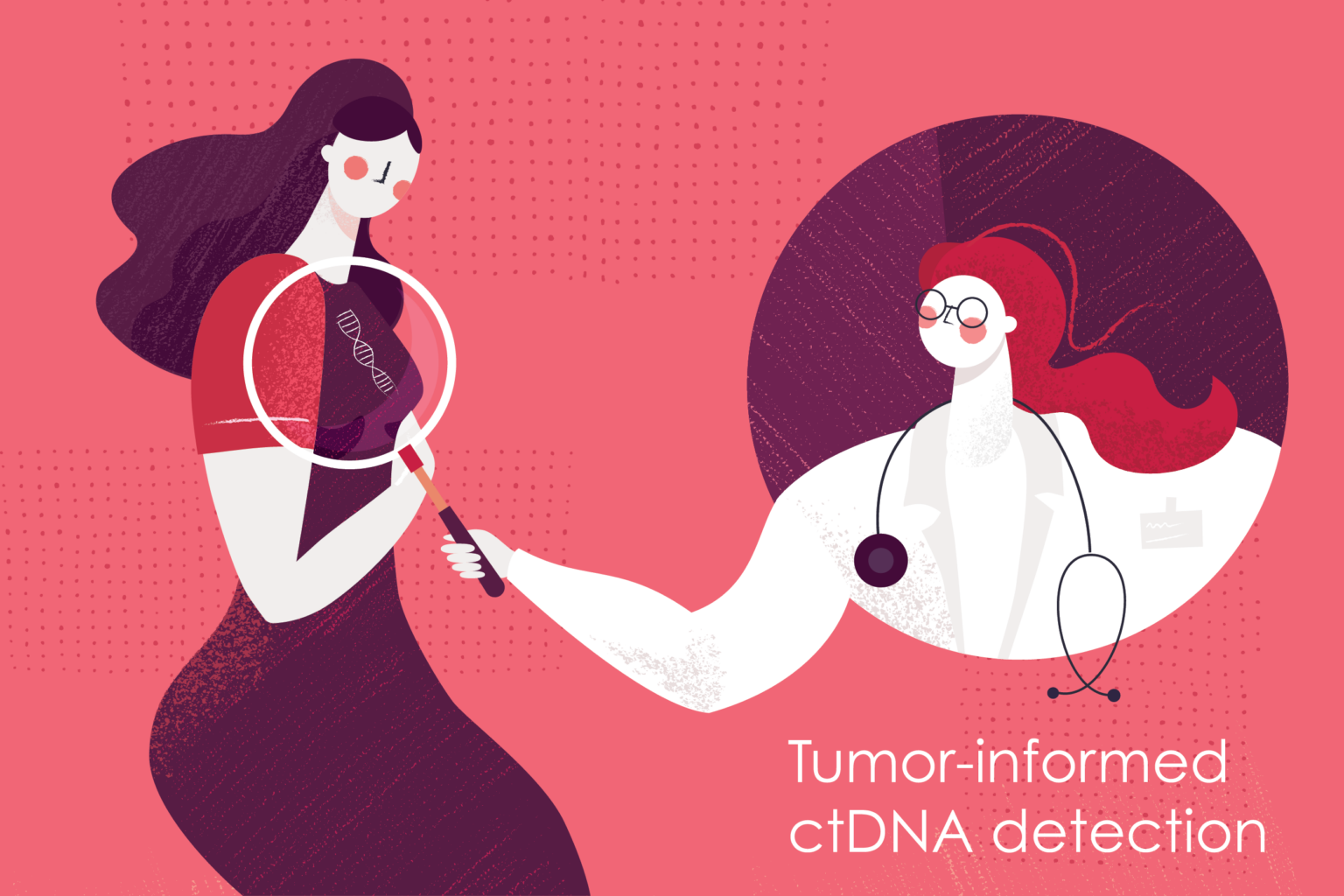
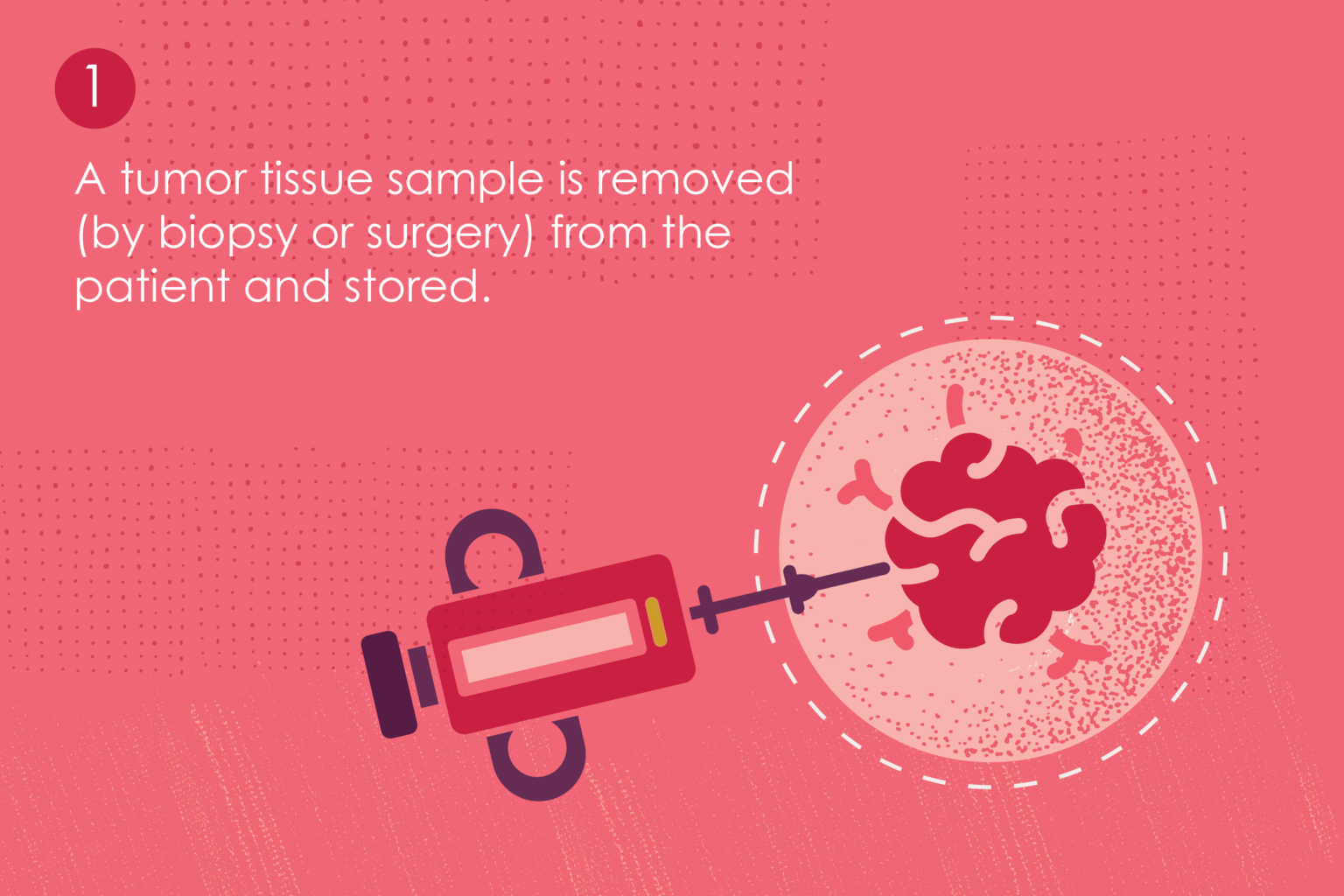
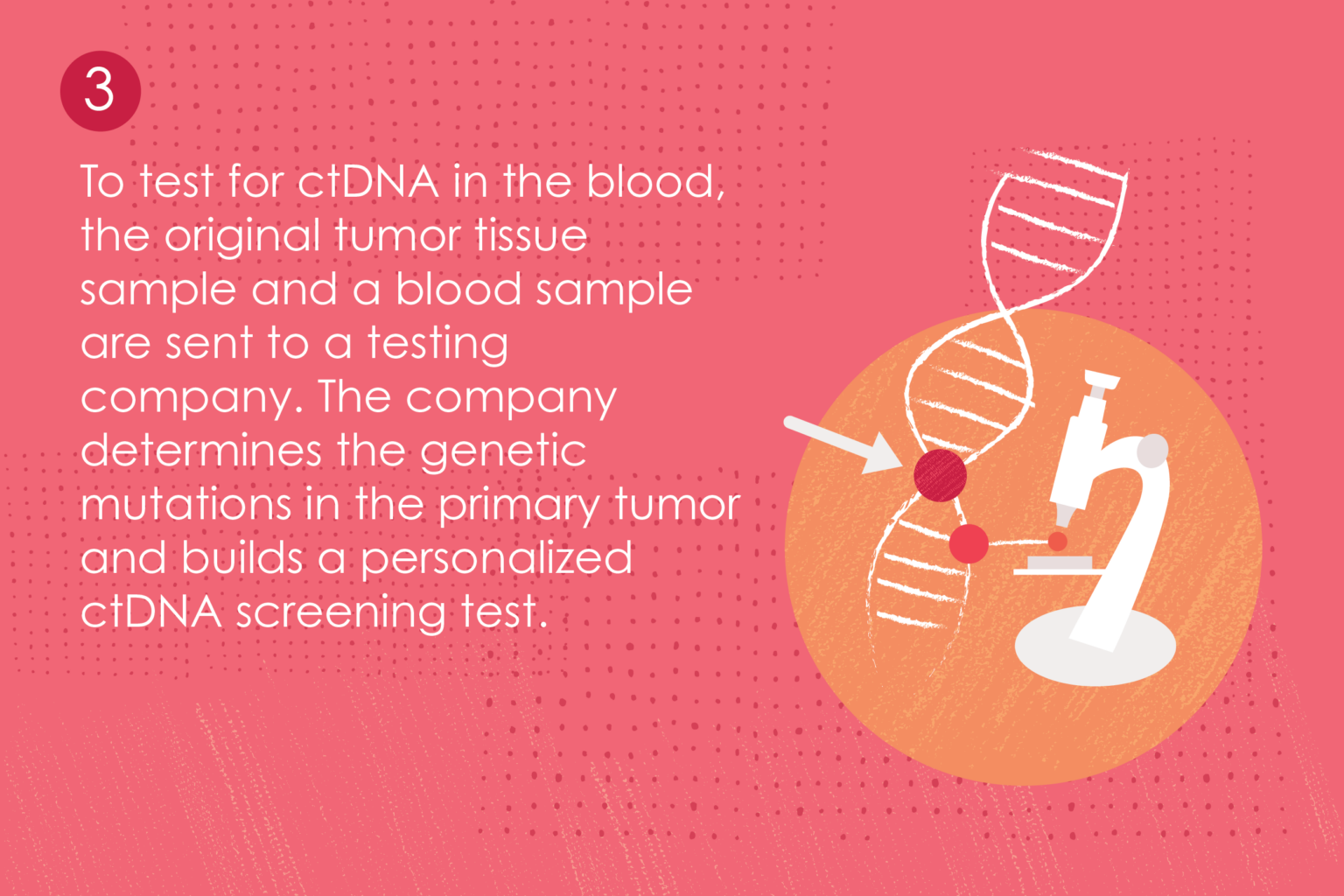
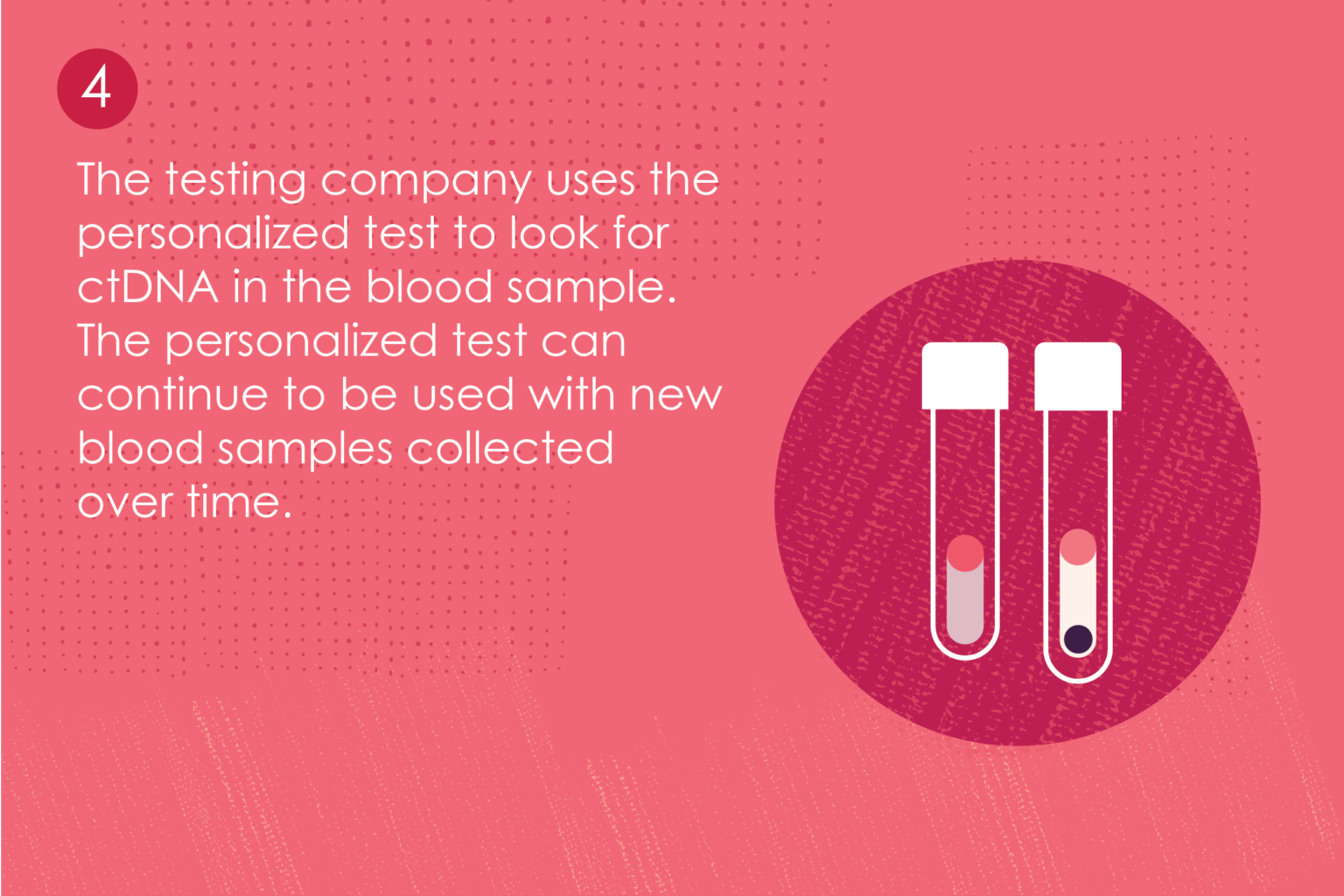
The ctDNA testing that Park offers to patients like Laura Nasca is called “tumor-informed” testing. Clinicians send a sample of the primary tumor along with blood to the testing company, which determines the genetic mutations in the primary tumor and builds a personalized ctDNA screening test. Whereas early ctDNA tests evaluated only 16 genetic mutations, current testing technologies assess between 200 and 1,800, dramatically increasing the sensitivity of the test for finding very small levels of ctDNA.
Nasca was diagnosed with localized breast cancer in 2021 when she was 47. After the birth of her second daughter in 2018, clinicians had advised her not to have a mammogram while breastfeeding and suggested that ultrasound wouldn’t be valuable, she said. Before she had another mammogram, her gynecologist felt a lump.
Nasca, who now serves as a research advocate for Vanderbilt-Ingram, said she encourages women to “go ahead and have the ultrasound if you can’t have a mammogram.”
To treat her two distinct breast cancers (HER2-positive and HER2-negative), she had neoadjuvant chemotherapy, HER2-targeted therapy, and a mastectomy. Lymph nodes removed during the surgery contained HER2-negative cells, so her treatment for HER2-negative cancer continued.
Park offered her ctDNA testing because he believed in the data and had plans in place for whatever they found.

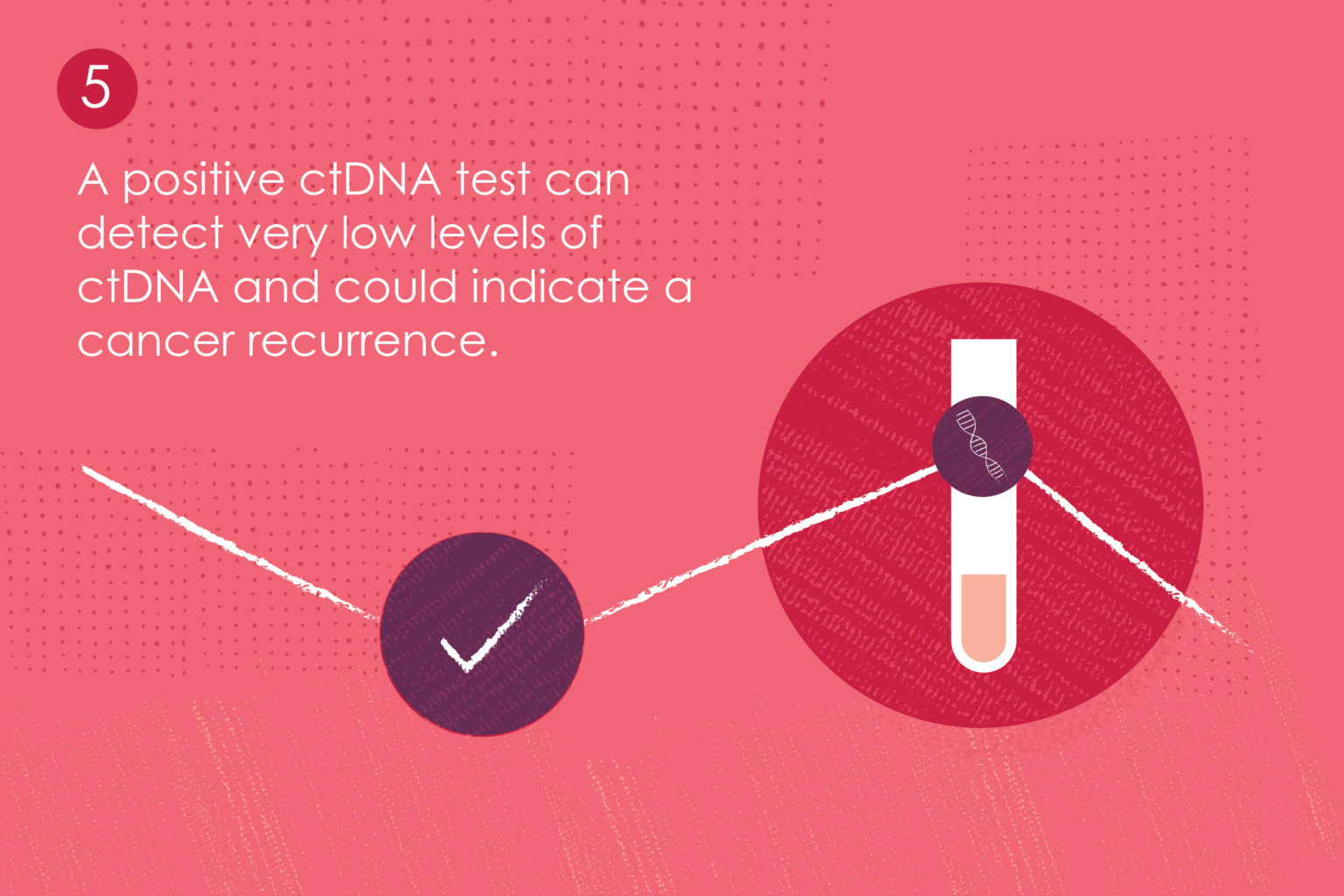
“Laura is a young woman with young children (her daughters are 7 and 10). Her ctDNA was three parts per million, which is very low, but real, and if left untreated would come back.”
Nasca had imaging studies to rule out metastatic disease before changing treatments to address the detected ctDNA.
“We don’t have proof yet that acting on positive results is going to lead to better outcomes; I think it will, but we’re still designing those trials,” Park said. “We’re living in a gray zone right now, and I have serious discussions with patients before I order this testing.
“My critics say, ‘You’ve opened a Pandora’s box, Ben.’ And it may be true, but I like to remind them that at the bottom of Pandora’s box was Hope. We’ve got to take some risks to move the field forward, and I don’t want to wait another 10 years to help patients I feel like I can help today.”