


orthopaedics Archive — Page 4 of 5




-
May 29, 2014
Mencio named to lead pediatric orthopaedic society
Gregory Mencio, M.D., director of Pediatric Orthopaedics at the Monroe Carell Jr. Children’s Hospital at Vanderbilt, has been named president of the Pediatric Orthopaedic Society of North America (POSNA). -
March 6, 2014
Study explores best ways to manage spinal surgery patients
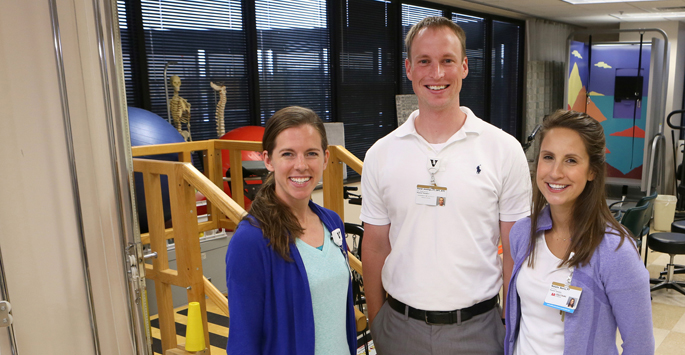
Kristin Archer, Ph.D., DPT, assistant professor of Orthopaedics and Physical Medicine and Rehabilitation at Vanderbilt University Medical Center, has received $1.7 million from the Patient-Centered Outcomes Research Institute (PCORI) to study postoperative management for degenerative spinal conditions. -
January 16, 2014
Orthopaedic program named among U.S. best
Becker's Hospital Review has named Vanderbilt University Medical Center to its list of “100 Hospitals With Great Orthopedic Programs,” which recognizes the top hospitals with orthopaedic surgery departments, programs or dedicated centers. -
April 11, 2013
New clinic links pediatric sarcoma treatment services
J. Carlton Smith noticed severe pain in his knee five years ago during a lacrosse tournament. Smith, then 13 years old, never imagined hearing the diagnosis doctors would give him: osteosarcoma, a cancer of the bone. -
December 6, 2012
‘Longevity’ gene has role in bone loss
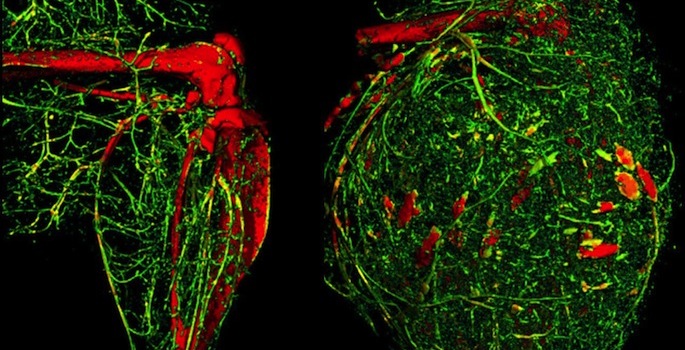
A gene associated with long life participates in the normal regulation of bone remodeling and may have a role in bone loss associated with aging. -
September 14, 2012
Increase seen in sports-related injuries, Vanderbilt offers free sports safety clinic, safety tips for parents and coaches
-
May 17, 2011
‘U.S. News’ ranks Monroe Carell Jr. Children’s Hospital at Vanderbilt among nation’s best
Once again the Monroe Carell Children's Hospital at Vanderbilt was recognized by the "U.S. News and World Report' children's hospital rankings.