


Reporter Aug 12 2022 Archive — Page 1 of 1


-
August 11, 2022
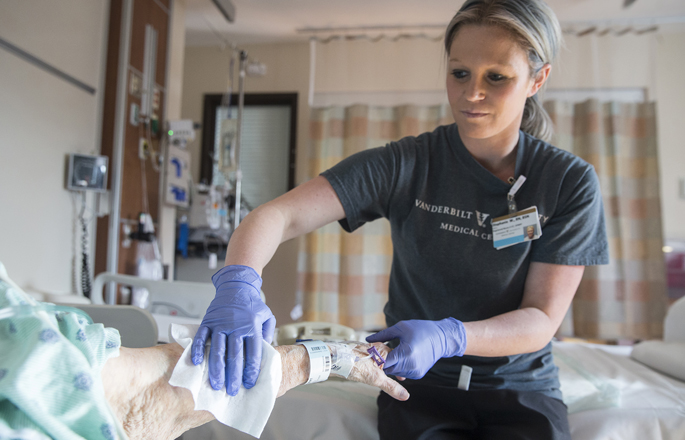
Rise seen in parechovirus cases among children
Doctors at Vanderbilt are seeing an unusually high number of young patients infected with a virus called parechovirus. -
August 11, 2022
National XLH Day
Vanderbilt recently hosted the National XLH (X-linked hypophosphatemia) Day, and more than 200 patients and families attended. -
August 11, 2022
Hundreds of Vanderbilt Health physicians named among America’s “Top Doctors”
A new list names hundreds of Vanderbilt Health physicians as being among the nation’s top providers of health care. -
August 10, 2022
Burn pit legislation hailed as a victory by physician who became veterans’ advocate
President Joe Biden on Wednesday signed into law a broad expansion of health care benefits for millions of veterans exposed to toxic burn pits, and for Robert Miller, MD, professor of Allergy, Pulmonary and Critical Care Medicine, and his Vanderbilt University Medical Center colleagues, the action is a long-awaited victory. -
August 10, 2022
NAM special publication focuses on COVID lessons learned
A new special publication from the National Academy of Medicine spotlights the opportunity to leverage lessons learned from the pandemic to transform health, health care and health delivery in the United States. -
August 9, 2022
Capers named to lead Vanderbilt Regional Community Hospitals
Travis Capers has been named to the newly created role of President of Vanderbilt Regional Community Hospitals, effective Aug. 15, following a nationwide search to fill the position. -
August 5, 2022
Study that investigated whether three smoking cessation drugs could reduce alcohol intake yields unexpected finding
A Vanderbilt study of three proven smoking cessation treatments suggests these medications could play an important role to reduce alcohol use and smoking at the same time.