


Transplant Archive — Page 1 of 23


-
September 9, 2026
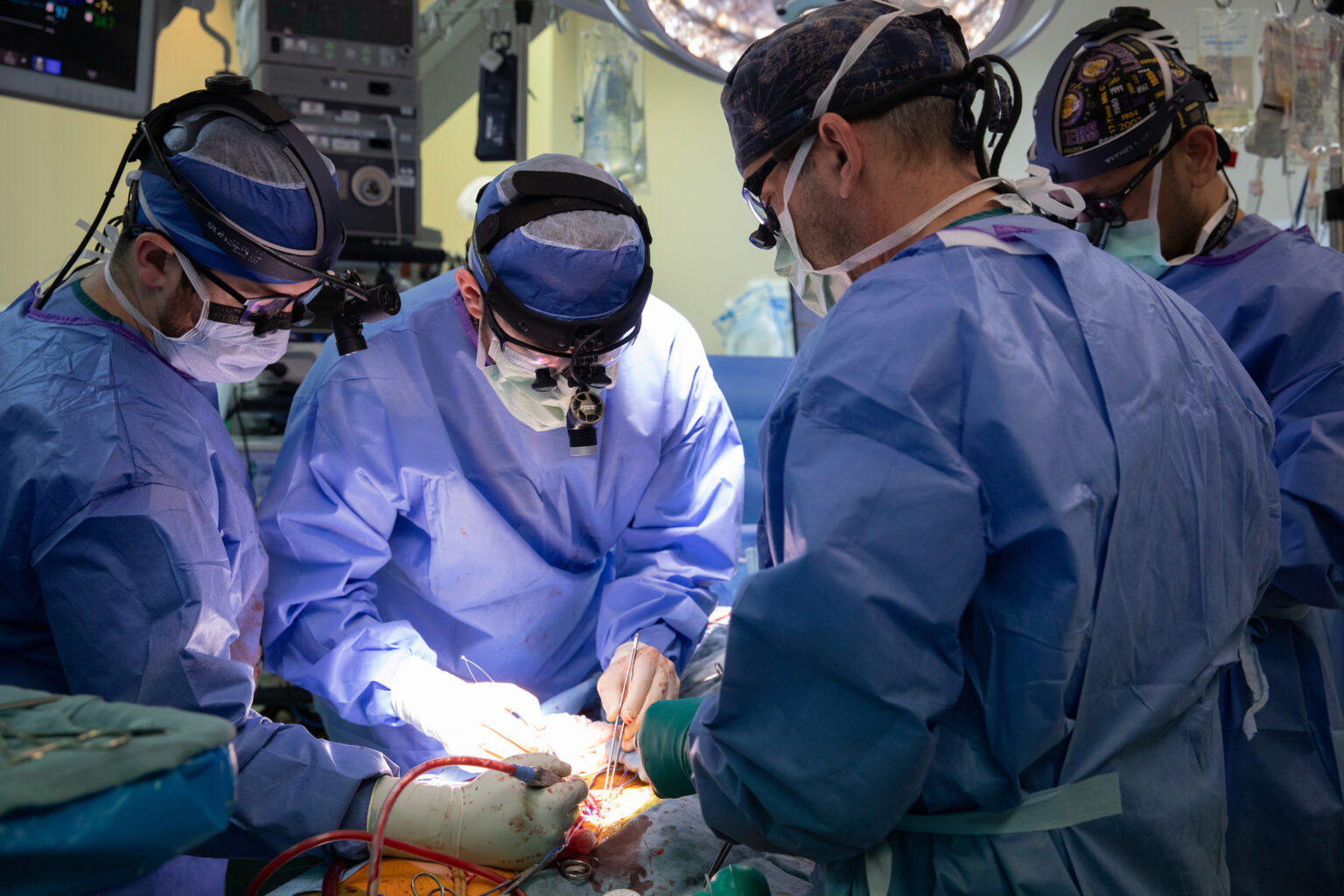
25 years ago, Jill Grandas’ actions on 9/11 helped save a baby girl’s life. Last week, they met.
A donor liver needed to get from Vanderbilt to a hospital in Texas to save 6-month-old Kareena’s life. The problem: In the wake of the terrorist attacks, there were no planes flying. -
August 10, 2026
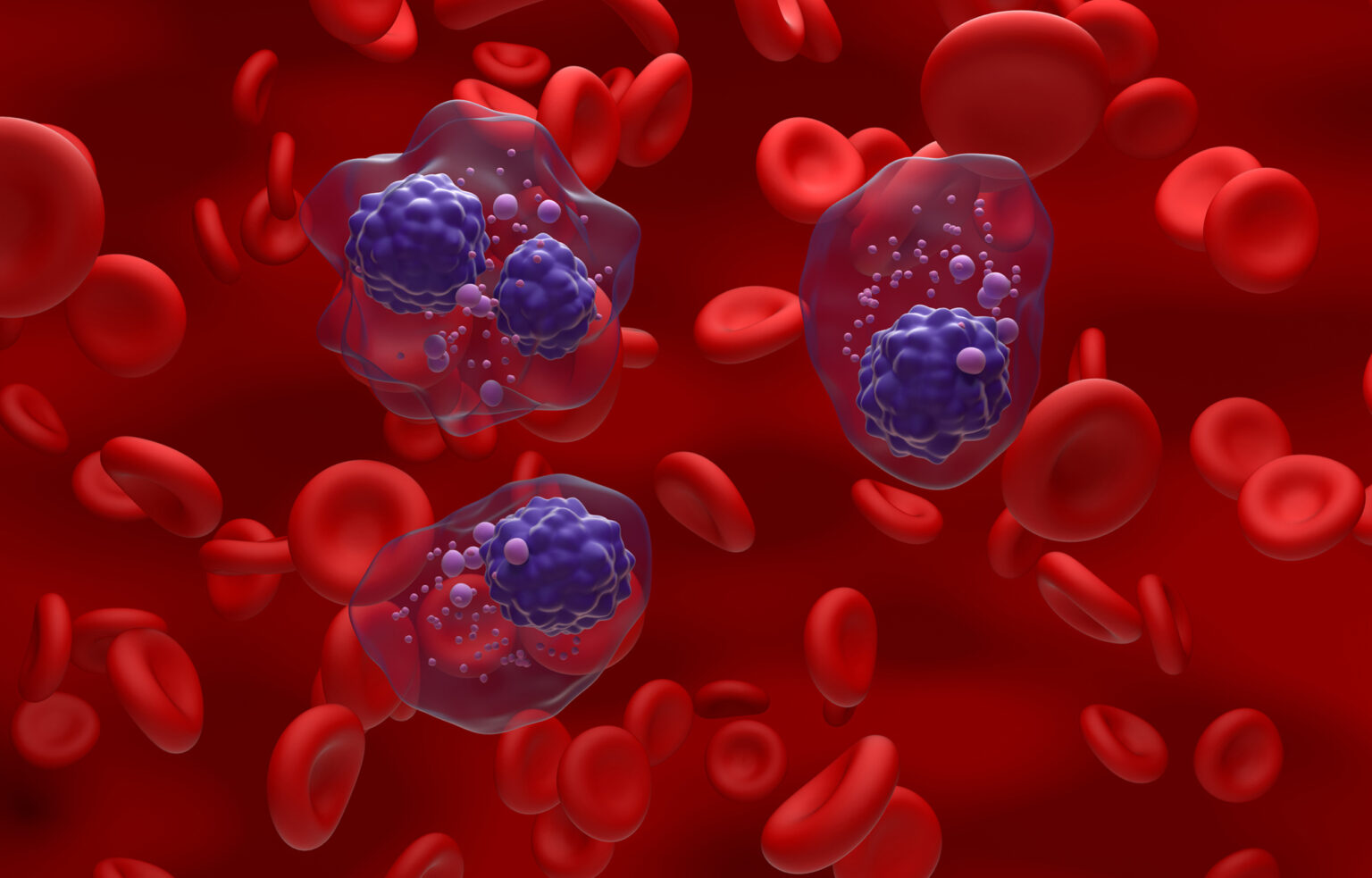
Molecular mapping reveals hidden cellular programs in heart transplant rejection
Study provides a unique resource to guide future research on acute rejection diagnosis, therapeutic response prediction, and risk for chronic rejection. -
July 28, 2026
Yasar Caliskan appointed Kidney Living Donor Program Medical Director
He is nationally recognized for his expertise and research interest in genetic factors that may influence donor outcomes and long-term kidney health. -
July 22, 2026
Vanderbilt Transplant Center finishes record fiscal year with 981 solid organ transplants
The record year was made possible by the selfless acts of organ donors. -
July 8, 2026
Gala celebrates Vanderbilt Transplant Center as No. 1 in the nation
The gala featured remarks from the leaders who built the transplant center, beginning with former U.S. Sen. Bill Frist, MD, founder of the Vanderbilt Transplant Center. -
July 3, 2026
Reborn on the Fourth of July: A Marine’s five-year transplant anniversary
Five years after a lifesaving lung transplant at Vanderbilt Health, Wilson County teacher and Marine veteran Jacob Brown is marking the anniversary of the day that changed everything. -
July 1, 2026
Lived experience, elevated care: A nurse’s journey with kidney disease
At age 30, she was diagnosed with autosomal dominant polycystic kidney disease (ADPKD), a genetically inherited condition. She is the fourth generation in her family to face it. And the first to survive it.