


Department of Pathology Microbiology and Immunology Archive — Page 26 of 31



-
February 10, 2015
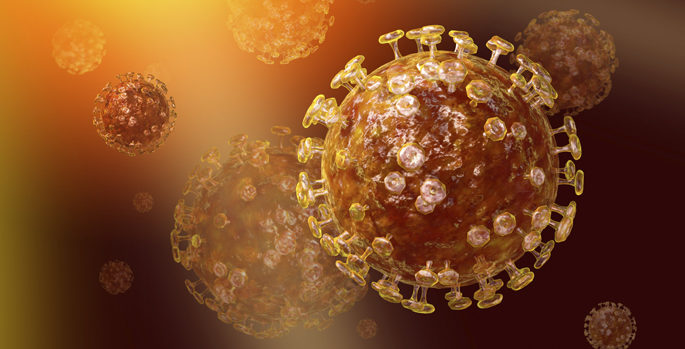
Targeting HIV’s “cap”
New findings underscore the attractiveness of the HIV capsid – the structure that encloses the viral genome – as a therapeutic target. -
January 5, 2015
Vanderbilt-led team studies blood test for prostate cancer
Vanderbilt University researcher William Mitchell, M.D., Ph.D., and colleagues in Germany and Canada have demonstrated a method for detecting “cell-free” tumor DNA in the bloodstream. -
December 17, 2014
Target for atherosclerosis therapies
A newly identified “atheroprotective” gene is a tool for exploring plaque pathophysiology and may be a good target for therapies to slow atherosclerosis progression. -
December 11, 2014
Bacterial secretion machinery: 3-D view
New structural findings reveal how "gatekeeper" proteins participate in the secretion systems bacteria use to infect host cells. -
December 4, 2014
Physician-scientist is dream job for Vanderbilt’s Cassat
Jim Cassat, M.D., Ph.D., a pediatric infectious disease specialist who joined the Vanderbilt faculty this summer, loves taking care of children with bone infections and doing research to understand the host-pathogen interactions during these invasive infections. -
November 24, 2014
Twelve Vanderbilt faculty elected AAAS fellows
Twelve members of Vanderbilt's faculty have been elected fellows of the American Association for the Advancement of Science for their “scientifically or socially distinguished efforts to advance science or its applications.” -
November 21, 2014
Host sequesters zinc to control stomach bug
Understanding how zinc and the host’s immune response control H. pylori’s cancer-causing potential could suggest new therapeutic strategies to reduce infection and cancer risk.