


Department of Pediatrics Archive — Page 6 of 58




-
January 16, 2026
Dolly Parton honors milestone birthday by giving back to Monroe Carell Jr. Children’s Hospital at Vanderbilt
Proceeds from release of new rendition of “Light of a Clear Blue Morning” to benefit Monroe Carell. -
January 15, 2026
How a summer job sparked Paul Dressler’s career in developmental medicine
The Patient and Family Choice Award recipient shares why developmental medicine is never just about protocols. -
January 14, 2026
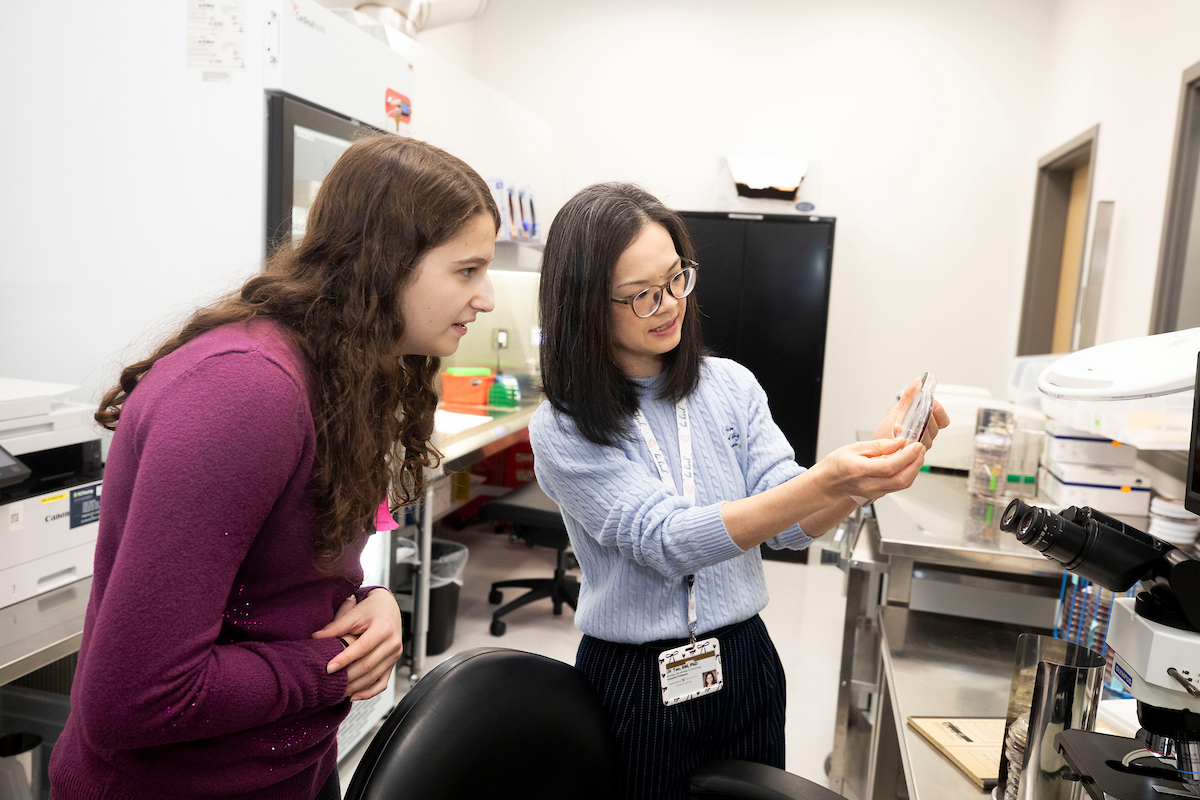
Research reveals B cells’ more sinister role in progression of Type 1 diabetes
B cells are immune cells thought to drive the immune system’s attack on insulin-producing beta cells by activating anti-islet T cells. -
January 7, 2026
Longtime pediatric endocrinology director Bill Russell to focus on research, patient care
He has been succeeded on an interim basis by Jill Simmons, MD, professor of Pediatrics and founding director of the Program for Pediatric Metabolic Bone Disorders at Monroe Carell Jr. Children’s Hospital at Vanderbilt. -
January 5, 2026
Vanderbilt Health honored for providing care to patients with congenital heart disease
The program recognizes “the critical role of facilities providing care to patients with congenital heart disease who transition their care from pediatric cardiology to adult cardiology services.” -
January 2, 2026
Larry Markham named director of the Division of Pediatric Cardiology and co-director of the Pediatric Heart Institute
Markham succeeds Scott Baldwin, MD, who stepped down after leading the division for more than two decades. -
December 31, 2025
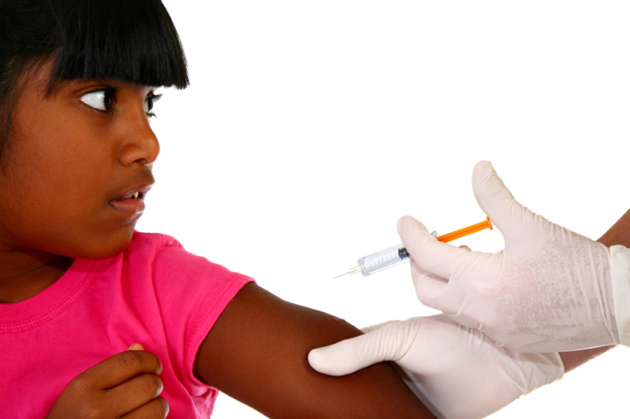
Experts stress importance of vitamin K to prevent bleeding in newborns
Nearly a decade ago, neonatologists at Monroe Carell Jr. Children’s Hospital at Vanderbilt noticed a VKDB diagnosis uptick and called for a state and national tracking system.